CM Majhi Urges Odisha Students: Vote in Peace, Build Democracy
Synopsis
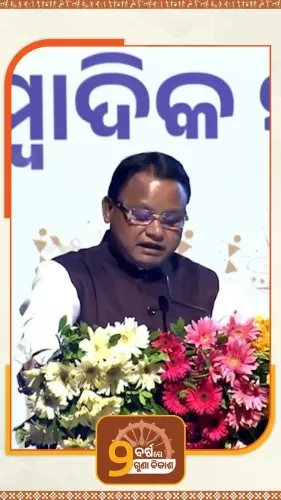
Odisha Chief Minister Mohan Charan Majhi appealed to students on 15 October 2026 to participate in student council elections peacefully, calling campus democracy the foundation of future leadership and urging them to reject violence, rumour, and division.
Key Takeaways
Odisha CM Mohan Charan Majhi issued a public appeal on 15 October 2026 ahead of student council elections across the state.
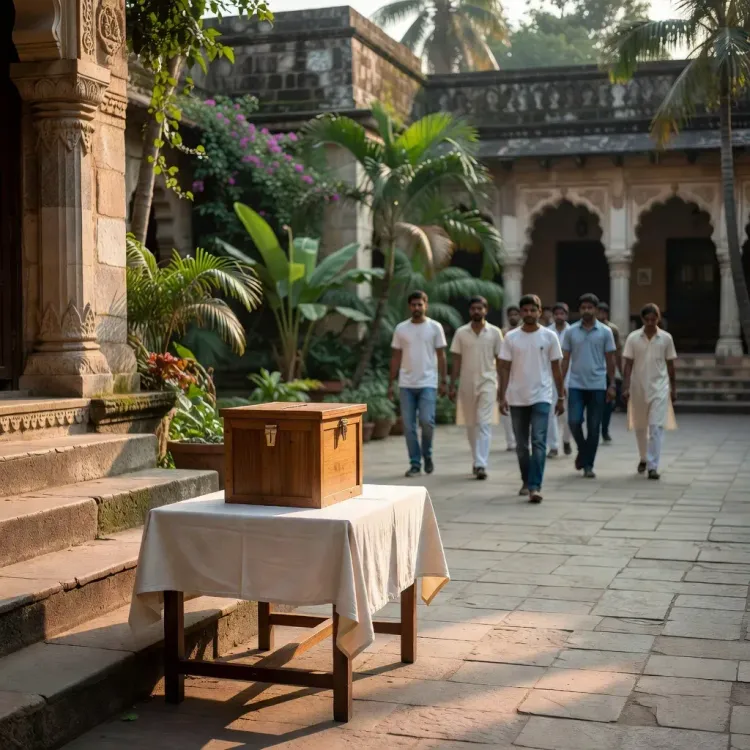
He called student parliament elections 'the foundation of democracy and the primary means of shaping future leadership.' Students and candidates were urged to avoid violence, rumours, and divisive conduct during the polls.
Majhi extended 'sincere good wishes' to all candidates and students participating in the elections.
Student council elections in Indian states are widely seen as an early training ground for future political and civic leaders.
Before a single vote is cast, Odisha Chief Minister Mohan Charan Majhi has a message for every student on every campus: the values you practise in a college election today will shape the state — and the nation — tomorrow. Addressing students ahead of ongoing student council elections across Odisha, Majhi called on them to reject violence, rumour, and division, and to participate with discipline and calm.
Writing in Odia on 15 October 2026, the Chief Minister addressed students as 'mora priya chhatracchatri bandhugana' — 'my dear student friends' — before making a pointed appeal: 'Kouna prakara himsa, gujaba ba bibhedara shikara na hoi shantipurnna o shrunkhalita bhabe ei nirbachanare samila huantu.' In English: 'Without falling prey to any kind of violence, rumour or division, participate in this election peacefully and in an orderly manner.' He closed with 'sincere good wishes' to all candidates and students.
Why a CM Weighs In on Campus Polls
Student council elections in India carry a weight far beyond campus corridors. They are widely regarded as the first democratic school for future politicians, bureaucrats, and civil society leaders — a training ground where young people learn the mechanics and the ethics of representative democracy. Odisha's network of universities and colleges holds these polls periodically, and the contests can turn heated.
State governments across India have a long pattern of issuing pre-election appeals urging peaceful conduct precisely because campus tensions can spill beyond college gates. For a BJP government that came to power in Odisha in June 2024 after a landmark assembly election win, maintaining orderly campus environments is both a governance priority and a signal of institutional confidence.
The Democratic Argument Majhi Is Making
Majhi's message is not merely procedural. He frames student elections as 'the foundation of democracy and the primary means of shaping future leadership' — language that elevates a campus poll into a civic responsibility. The argument: discipline and ideals practised in a college election today translate into the quality of leadership an entire state receives a decade from now.
It is a compact, deliberate framing — one that asks students to see their ballot not as a campus popularity contest but as the first exercise of a democratic muscle they will use for life. Coming from the state's top elected official, the appeal also carries an implicit accountability: the Chief Minister is watching, and so is the state.
Point of View
The Chief Minister is also implicitly staking the BJP government's reputation on orderly campus conduct. Given that Odisha's political landscape underwent a significant reset with the party's 2024 assembly win, cultivating a new generation of civic-minded, BJP-aligned youth through orderly campus processes is a plausible longer-term organisational goal embedded in what reads as a simple goodwill message.
NationPress
15 Oct 2026
Frequently Asked Questions
What did Odisha CM Mohan Majhi say about student elections?
CM Majhi urged students to participate in student council elections peacefully and in an orderly manner, avoiding violence, rumours, and division, describing the elections as the foundation of democracy and a means of shaping future leadership.
When did CM Majhi post his message to students?
He posted the message on Thursday, 15 October 2026 , at approximately 8:48 AM IST, ahead of ongoing student council elections in Odisha.
Why are student council elections important in Odisha?
Student council elections are regarded as training grounds for democratic participation, where young people learn the values and discipline of representative governance that can shape their future roles as leaders in the state and country.
Is campus election violence a concern in Odisha colleges?
State governments across India periodically issue appeals urging peaceful campus poll conduct, reflecting that student elections can sometimes become contentious. CM Majhi's message specifically warned against violence, rumours, and divisive behaviour.
When did Mohan Charan Majhi become Chief Minister of Odisha?
Mohan Charan Majhi became Chief Minister of Odisha in June 2024 after the BJP won the state assembly elections.