CM Majhi calls public service a sacred duty, eyes Odisha as Viksit Bharat engine
Synopsis
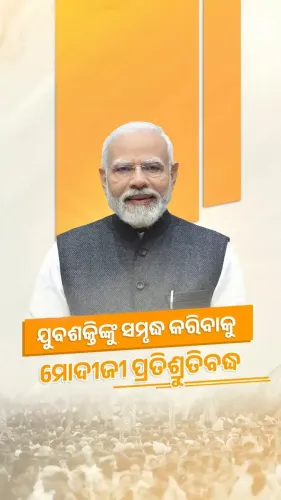
Odisha Chief Minister Mohan Charan Majhi urged newly appointed government employees on 10 August 2026 to treat public service as a sacred duty, pledging zero tolerance for corruption and calling on them to position Odisha as a leading growth engine for PM Modi's Viksit Bharat vision by 2036.
Key Takeaways
CM Mohan Charan Majhi addressed Odisha's newly appointed government employees on 10 August 2026 , framing public service as a sacred responsibility, not just a designation.
He invoked a 'zero tolerance' policy against injustice, unethical conduct, and corruption as the governing principle for new recruits.
Majhi called for development benefits to reach the last citizen in the last row of society — a direct reference to last-mile welfare delivery.
He set 2036 as Odisha's milestone year to become a prosperous, inclusive, and self-reliant state aligned with PM Modi's Viksit Bharat framework.
The message continues a pattern of BJP-governed states linking state-level governance reform to the central Viksit Bharat 2047 national development vision.
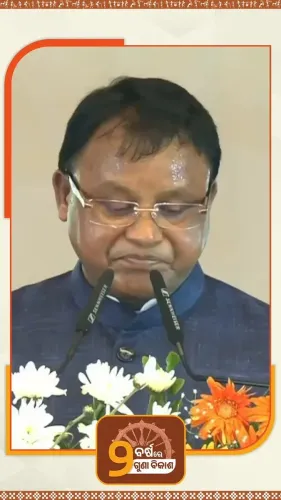
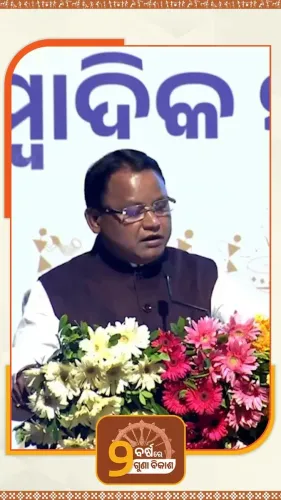
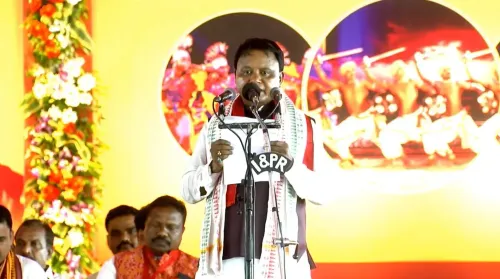
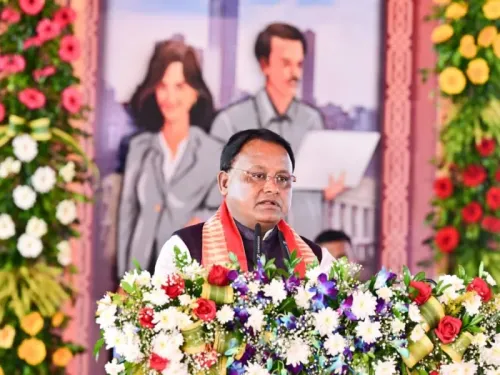
A government job, Odisha Chief Minister Mohan Charan Majhi declared on Monday, 10 August 2026, is not merely a designation — it is a sacred obligation to serve with dedication and transparency. In a message directed at the state's newly inducted government employees, Majhi issued a sharp call to action: zero tolerance for injustice, unethical conduct, and corruption, and a firm commitment to carry the fruits of development to the last citizen in the last row of society.
Writing in Odia, the Chief Minister framed the message around a larger ambition: positioning Odisha as a leading growth engine for Prime Minister Narendra Modi's Viksit Bharat ('Developed India') vision. He called on the state's newly appointed young workforce to fulfil, through their professional integrity, the resolve to build a prosperous, inclusive, and self-reliant Odisha by 2036.
Zero tolerance as a governing principle
Majhi's 'zero tolerance' framing is not new rhetoric — it was central to the BJP's 2024 Odisha election campaign, which promised transparent delivery of welfare schemes and clean administration after the party ended the Biju Janata Dal's two-decade hold on the state. What Monday's post signals is that the promise is being actively carried into the onboarding of fresh recruits, setting the moral tone before they take their seats.
The emphasis on reaching the 'last row' of society echoes a long-running priority in central welfare delivery — the idea that schemes must not stop at the district headquarters but must penetrate to the most marginalised citizen. For a state like Odisha, with significant tribal and rural populations, that last mile is both a political and administrative challenge.
Odisha's 2036 target and the Viksit Bharat alignment
The 2036 milestone Majhi invokes sits within the broader arc of PM Modi's Viksit Bharat 2047 framework — India's long-term target for developed-nation status, articulated in national addresses from 2022 onward. By setting a state-level waypoint at 2036, Majhi is effectively committing Odisha to demonstrating measurable progress a full decade before the national deadline, a framing that other BJP-governed states have also adopted since the 2023–24 election cycle.
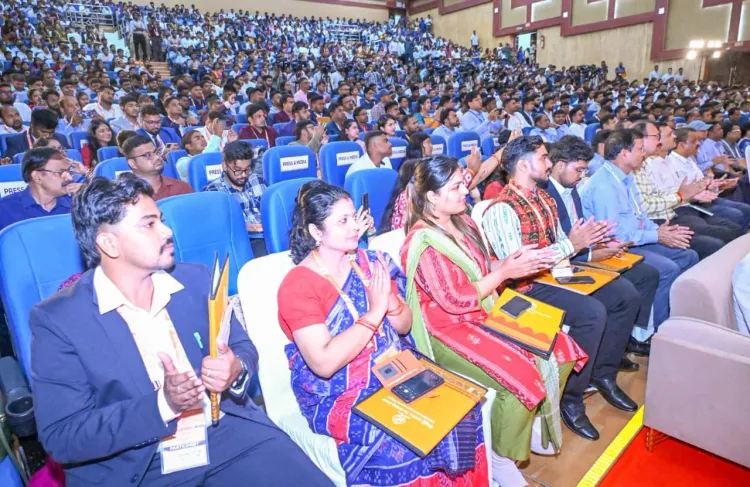
The call to the 'newly appointed young generation' suggests the post was addressed in the context of a fresh recruitment cohort entering state service — though the specific drive has not been independently confirmed. The message is clear regardless: the new entrants are being asked to see themselves not as beneficiaries of a government job, but as instruments of a state-building project.
Integrity in public service is easy to declare and hard to enforce. The real test for Majhi's administration will be whether anti-corruption rhetoric translates into institutional mechanisms — vigilance training, grievance redressal, and accountability audits — that new recruits actually encounter on the job.
Point of View
Mid-term target that predates the 2047 national deadline, giving the administration a concrete horizon to defend in future elections. The 'zero tolerance' language, recycled from the 2024 campaign, will only retain credibility if it is backed by institutional reforms — vigilance mechanisms, transparent recruitment, and grievance redressal — rather than remaining aspirational rhetoric directed at fresh recruits.
NationPress
24 Sept 2026
Frequently Asked Questions
What did Odisha CM Mohan Majhi say about government jobs?
CM Mohan Charan Majhi said on 10 August 2026 that a government job is not merely a designation but a sacred duty to serve the public with dedication and transparency, and he called on newly appointed employees to maintain zero tolerance for corruption.
What is Odisha's 2036 development target?
CM Majhi has set 2036 as the milestone year to build a prosperous, inclusive, and self-reliant Odisha, positioning the state as a leading growth engine for PM Modi's Viksit Bharat national development vision.
What is the Viksit Bharat vision and how does Odisha fit in?
Viksit Bharat ('Developed India') is PM Narendra Modi's framework for achieving developed-nation status by 2047, articulated from 2022 onward. Odisha's BJP government has aligned its state governance goals with this national vision, setting a 2036 state-level milestone.
What is Mohan Charan Majhi's zero tolerance policy?
Majhi's zero tolerance policy, a pledge from the BJP's 2024 Odisha election campaign, commits the state government to no tolerance for injustice, unethical conduct, or corruption in public administration and welfare delivery.
When did Mohan Charan Majhi become Odisha Chief Minister?
Mohan Charan Majhi became Chief Minister of Odisha in June 2024 after the BJP won the state assembly elections, ending the Biju Janata Dal's long tenure in power.