CM Majhi to Odisha: Zero Yap, Pure Delivery
Synopsis
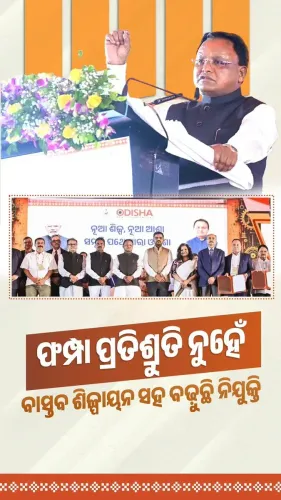
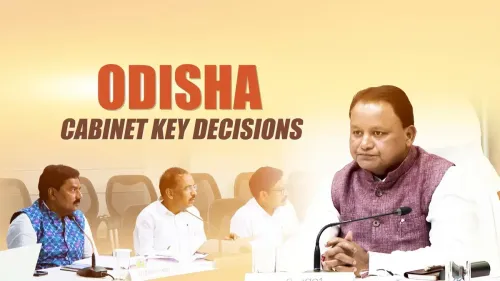
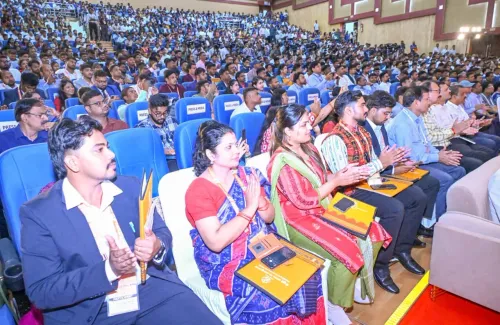
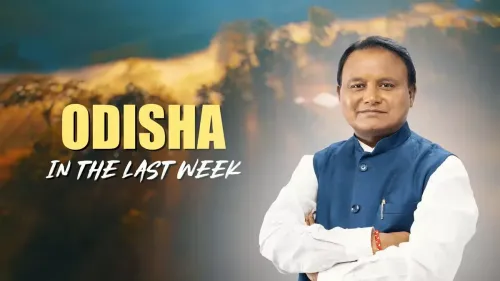
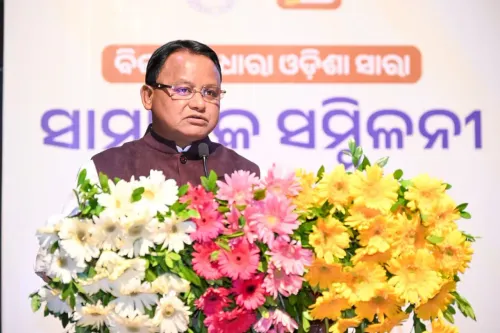
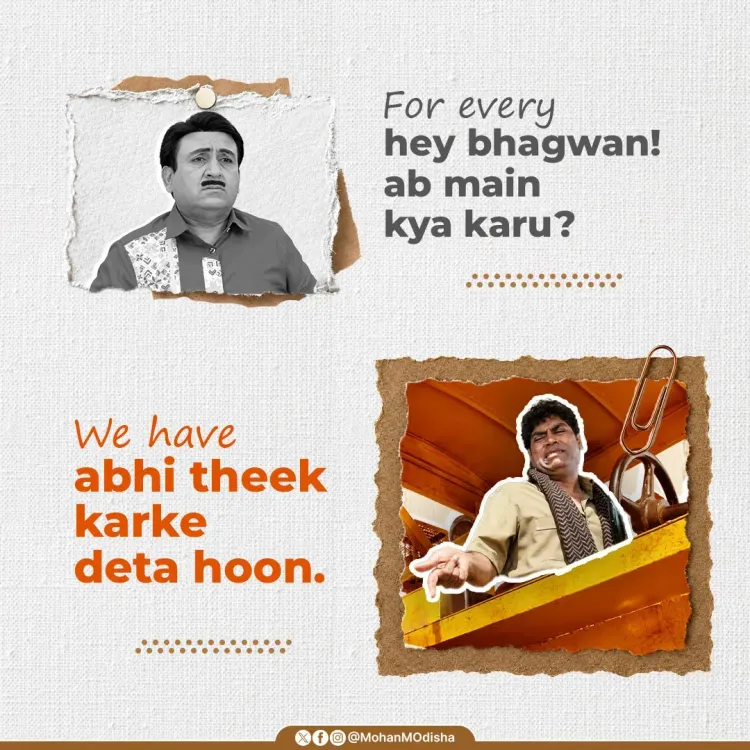
Odisha Chief Minister Mohan Charan Majhi posted a four-image carousel on X on 23 October 2026, declaring 'zero yap, just pure delivery' and inviting citizens to swipe through evidence of his government's governance record.
Key Takeaways
Odisha CM Mohan Charan Majhi posted on X on 23 October 2026 with a four-image carousel showcasing governance outcomes.
The post message — 'Zero yap, just pure delivery' — signals a delivery-first communication strategy over political rhetoric.
The BJP came to power in Odisha after the 2024 state elections, ending over two decades of BJD rule.
The carousel format is designed to present visual evidence of administrative action directly to citizens.
This style of direct social-media outreach is consistent with how BJP-governed states have approached public communication since 2024.
No speeches, no promises — just a scrollable showcase of solutions. Odisha Chief Minister Mohan Charan Majhi took to X on Friday, 23 October 2026, posting a four-image carousel that puts his government's governance record front and centre, with a message stripped of the usual political flourish.
The post cuts straight to the point: 'For every worry you carry, we have the fix. Zero yap, just pure delivery. Your government is locked in, Odisha.' The language is deliberate — casual, direct, almost conversational — and the swipe-through format invites citizens to judge the administration on visible output rather than verbal assurances.
The 'Zero Yap' playbook in Indian state politics
This style of communication has become a recognisable signature among BJP-governed states since 2024. After the BJP ended over two decades of Biju Janata Dal rule in Odisha following the state assembly elections, Chief Minister Majhi's administration leaned into a 'delivery-first' public narrative — pushing scheme execution and administrative action as its core identity, rather than policy announcements alone.
The carousel format reinforces that framing. Where a press release lists intentions, an image grid claims evidence. It is the visual grammar of accountability — or at least the performance of it — and it travels fast on social media.
Majhi's direct-to-citizen communication style
Mohan Charan Majhi became Odisha's Chief Minister after the BJP's landmark victory in the 2024 state polls, a result that ended the long reign of the BJD under Naveen Patnaik. Since taking office, his government has used platforms like X for consistent, high-frequency outreach — framing governance updates as responsive answers to citizen concerns rather than top-down announcements.
Friday's post fits that pattern precisely. It is less a policy statement and more a confidence signal: the government is 'locked in,' and the proof is in the swipe. Whether the carousel images detail infrastructure, welfare schemes, or administrative reforms, the underlying message is the same — show, don't tell.
In a state still recalibrating to a new political order after two decades, that kind of direct-to-citizen messaging carries weight. The real test, of course, is whether the images match the ground reality.
Point of View
The optics of delivery matter as much as delivery itself. The carousel format shifts the burden of proof onto the images, which is a high-stakes gamble: it invites citizens to fact-check in real time. If the ground reality matches the visuals, it is powerful brand-building; if it does not, the same post becomes a liability.
NationPress
23 Oct 2026
Frequently Asked Questions
What did Odisha CM Mohan Charan Majhi post on X on 23 October 2026?
CM Majhi posted a four-image carousel on X declaring 'zero yap, just pure delivery,' urging Odisha citizens to swipe through images showcasing his government's governance work.
When did Mohan Charan Majhi become Chief Minister of Odisha?
Mohan Charan Majhi became Chief Minister of Odisha after the BJP's victory in the 2024 state assembly elections, ending more than two decades of BJD rule.
What is the BJP government's governance approach in Odisha?
Since 2024, the BJP government in Odisha has focused on direct citizen outreach and scheme execution, emphasising visible administrative delivery over political messaging.
Why does CM Majhi use carousel posts on social media for governance updates?
Carousel posts allow the government to present visual evidence of administrative actions, making governance claims more concrete and shareable compared to text announcements.
What does 'zero yap, pure delivery' mean in Majhi's post?
The phrase signals that the Odisha government intends to communicate through demonstrated outcomes rather than political speeches or promises — letting results speak for themselves.