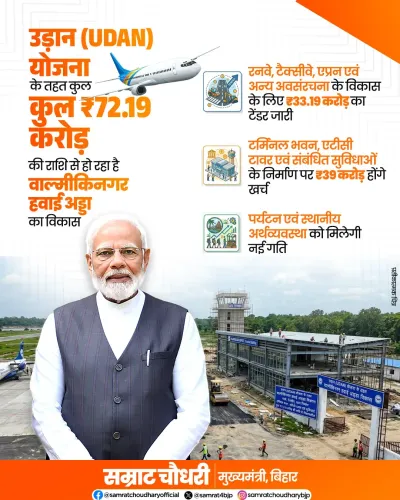
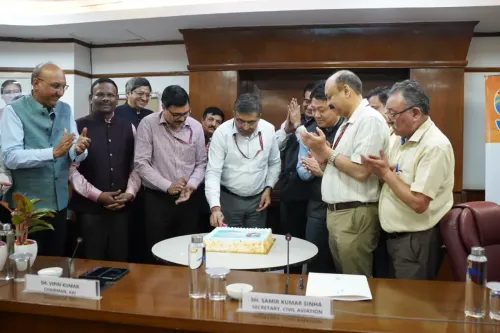
CM Samrat Choudhary Marks 10 Years of UDAN Scheme
Synopsis
Bihar Chief Minister Samrat Choudhary marked 10 years of India's UDAN regional air connectivity scheme on October 23, 2026, highlighting 1.72 crore passengers served and 687 routes activated, underscoring the programme's role in linking smaller towns to national economic opportunity.
Key Takeaways
Bihar Chief Minister Samrat Choudhary marked the 10th anniversary of UDAN on October 23, 2026 .
The scheme has reportedly served 1.72 crore passengers across 687 routes since its launch.
UDAN — Ude Desh ka Aam Naagrik — was launched in April 2016 under the National Civil Aviation Policy, with the first flight connecting Shimla to Delhi .
The scheme uses viability gap funding to make thin-traffic regional routes commercially viable for airlines.
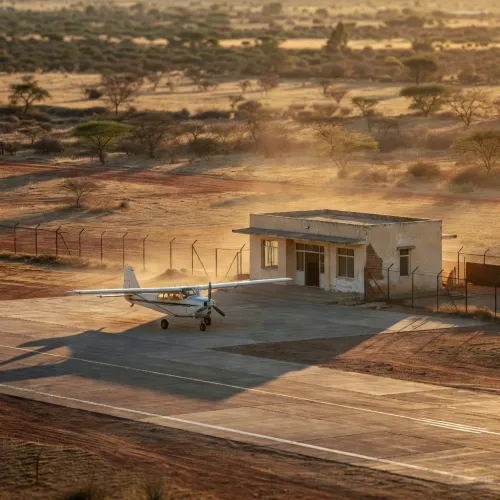
Bihar cities including Patna, Darbhanga, and Gaya are among the beneficiaries of expanded regional air connectivity.
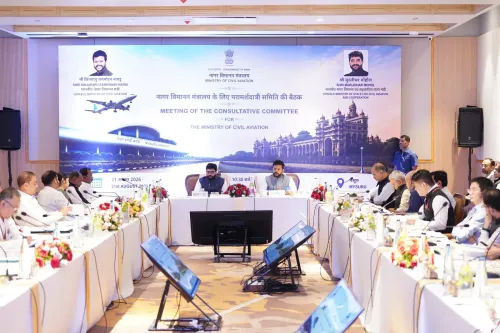
The Ministry of Civil Aviation oversees UDAN as part of a broader airport modernisation and aviation liberalisation push.
Ten years ago, a government scheme promised to put a common Indian on a plane. Today, Bihar Chief Minister Samrat Choudhary marked the 10th anniversary of the UDAN regional air connectivity scheme on Friday, October 23, 2026, citing 1.72 crore passengers served and 687 routes activated across the country.
Launched in April 2016 under the National Civil Aviation Policy, UDAN — Ude Desh ka Aam Naagrik (Let the common citizen of the country fly) — was a direct challenge to the assumption that air travel belonged only to India's metros. The first flight under the scheme connected Shimla to Delhi, a short hop that carried an outsized symbolic weight: aviation was moving beyond the big four cities.
What 687 Routes Actually Mean for Smaller Towns
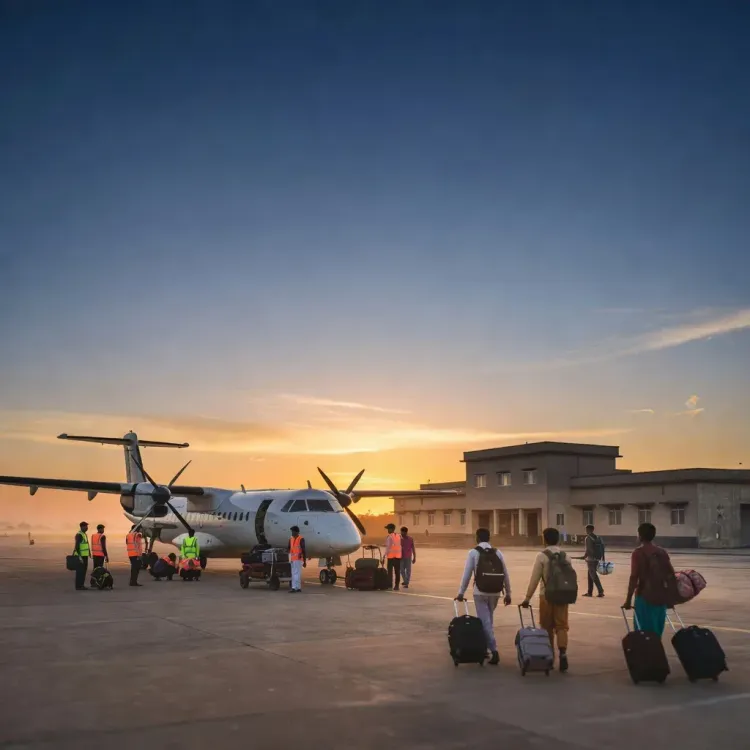
The numbers Choudhary highlighted tell a story of incremental but real geographic reach. Each new route under UDAN is supported by viability gap funding — a subsidy mechanism that makes thin-traffic regional routes commercially viable for airlines that would otherwise skip them. For a resident of a tier-2 or tier-3 town, that funding translates into an actual ticket at an affordable fare, cutting journey times that once demanded overnight trains or punishing road trips. Successive phases of the scheme have progressively added airports and routes, integrating with a broader airport modernisation drive by the Ministry of Civil Aviation. The result is a domestic aviation map that looks meaningfully different from what it was a decade ago — more nodes, more connections, more towns plugged into the national economy.Bihar's Stake in Regional Aviation Growth
Choudhary's endorsement of the milestone is not merely ceremonial. Bihar, with its dense population and historically limited aviation infrastructure, sits squarely in the demographic UDAN was designed to serve. Improved air connectivity to cities like Patna, Darbhanga, and Gaya directly affects the state's business mobility, pilgrimage tourism, and diaspora travel. For a Chief Minister navigating a state where infrastructure gaps remain a political flashpoint, a scheme that physically shrinks distances carries tangible electoral and developmental resonance. The broader pattern is clear: UDAN is the civil aviation arm of India's infrastructure-as-growth thesis — the idea that connecting underserved regions is not charity but economic activation. Whether the next phase of route awards accelerates that logic or runs into the persistent headwinds of airline viability and airport readiness will define what the second decade of the scheme actually delivers. One crore passengers is a milestone. The real question is how many more towns are still waiting for their first flight.Point of View
Where tangible connectivity gains matter as much as headline GDP numbers. Bihar's historically thin aviation network makes the scheme personally relevant to the Chief Minister's own governance agenda, lending his endorsement operational weight beyond the symbolic. The 10-year milestone also signals a pivot in how the central government frames regional aviation — from an aspirational pilot to an established pillar of economic inclusion. The next political test will be whether the second decade of UDAN can sustain momentum as airline viability pressures and airport infrastructure gaps continue to challenge the scheme's expansion targets.
NationPress
23 Oct 2026
Frequently Asked Questions
What is the UDAN scheme and who launched it?
UDAN, short for 'Ude Desh ka Aam Naagrik,' is India's regional air connectivity scheme launched in April 2016 under the National Civil Aviation Policy to subsidise flights to underserved airports and make air travel affordable beyond major metro cities.
How many passengers has UDAN served in 10 years?
According to Bihar Chief Minister Samrat Choudhary's post marking the scheme's 10th anniversary, UDAN has served 1.72 crore passengers across 687 routes since its launch.
Which was the first flight under the UDAN scheme?
The first UDAN flight connected Shimla to Delhi, operationalised in 2016 as part of the scheme's inaugural phase under the National Civil Aviation Policy.
How does UDAN make regional flights affordable?
UDAN uses a viability gap funding mechanism — a government subsidy — that compensates airlines for operating on low-traffic regional routes, enabling them to offer tickets at capped affordable fares.
How does UDAN benefit Bihar?
Bihar cities including Patna, Darbhanga, and Gaya have gained improved air connectivity under UDAN, benefiting business travel, pilgrimage tourism, and diaspora movement in a state that historically had limited aviation infrastructure.