PM Modi to Launch Modified UDAN Scheme from Jodhpur
Synopsis
Prime Minister Narendra Modi announced the Modified UDAN Scheme will be launched from Jodhpur, aiming to develop 100 aerodromes from unserved airstrips and boost air connectivity across India, building on the original 2016 regional aviation programme.
Key Takeaways
The Modified UDAN Scheme will be formally launched from Jodhpur , Rajasthan.
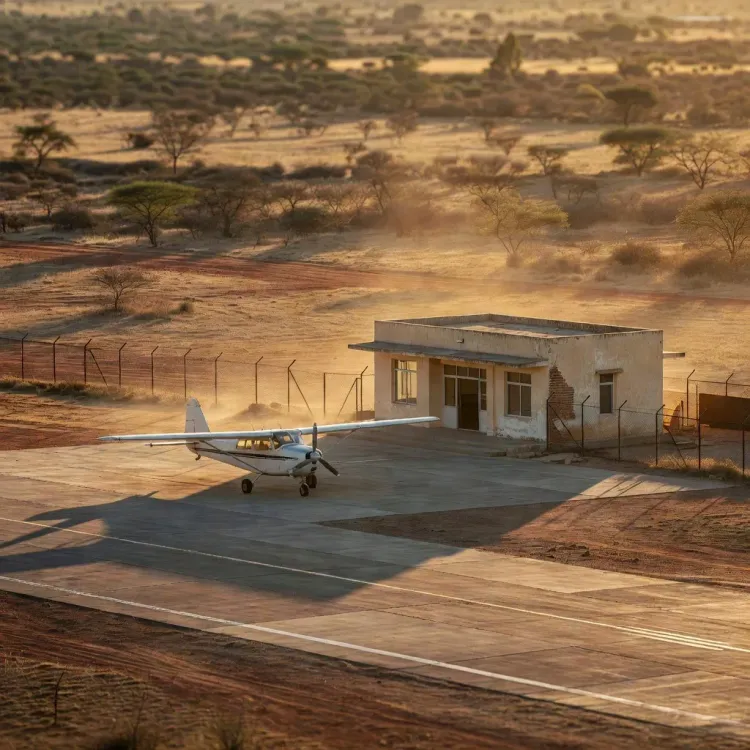
The scheme targets development of 100 aerodromes from existing unserved airstrips.
Greater resources will be allocated to operations , addressing a key weakness of earlier UDAN rounds.
The original UDAN scheme was launched in 2016 to subsidise regional air routes through viability gap funding.
Regional airlines and travellers in Tier-2 and Tier-3 cities are the primary intended beneficiaries.
Selection criteria for the 100 aerodromes and revised funding guidelines are yet to be formally notified.
Prime Minister Narendra Modi announced on Friday, 3 July 2026, that the Modified UDAN Scheme will be launched from Jodhpur, with a focus on developing 100 aerodromes from existing unserved airstrips and allocating greater resources to operations, aimed at expanding air connectivity across India.
Context
Posting on X, Prime Minister Modi stated that the Modified UDAN Scheme would ensure 'more people are able to fly and connectivity across India is enhanced.' The announcement identifies Jodhpur, the historic Rajasthan city, as the launch venue, signalling the government's intent to anchor the rollout in a region that bridges the country's western hinterland with its aviation network.
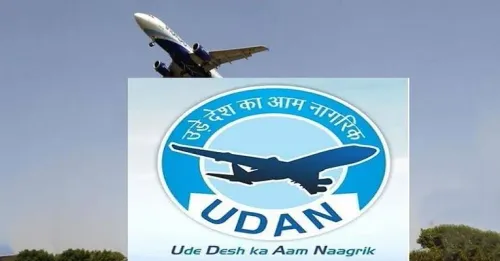
The original UDAN — short for Ude Desh ka Aam Naagrik (Let the common citizen of the country fly) — was launched in 2016 as a regional connectivity scheme using viability gap funding to subsidise routes connecting smaller cities that were previously unserved or underserved by commercial airlines.
Policy Backdrop
Since its inception, successive rounds of the UDAN scheme have sought to operationalise routes from smaller airstrips, pushing domestic passenger growth beyond the country's major metro hubs. The government has consistently paired aerodrome upgrades with highway and rail investments as part of a broader infrastructure integration strategy targeting remote and semi-urban regions.
The emphasis on 100 aerodromes developed from 'existing unserved strips' marks a notable shift in approach — rather than building greenfield airports, the modified scheme appears to prioritise activating dormant or underutilised infrastructure already in place across the country. The additional allocation of resources to operations addresses a recurring criticism of earlier UDAN rounds, where routes were awarded but struggled to sustain regular service.
Jodhpur itself hosts an airport that serves both civilian passengers and the Indian Air Force, making it a symbolically and strategically significant location for the launch of an aviation connectivity initiative.
Stakeholders and Impact
Regional airlines stand to benefit most immediately, as the modified scheme is expected to open new subsidised route opportunities on previously dormant airstrips. For travellers in Tier-2 and Tier-3 cities, the scheme holds the promise of direct air links that currently require long road or rail journeys to reach the nearest functional airport.
The focus on unserved strips also has implications for local economies. Functional aerodromes typically catalyse investment in tourism, trade logistics, and small-business activity in surrounding districts — effects that earlier UDAN routes demonstrated in states such as Himachal Pradesh, Uttarakhand, and parts of the Northeast. Expanding that model to 100 new locations could meaningfully redistribute the economic footprint of Indian aviation.
What's Next
The key details to watch following the Jodhpur launch will be the selection criteria for the 100 aerodromes earmarked for development and the revised operational funding guidelines once the modified scheme is formally notified. The distribution of these aerodromes across states will be closely scrutinised for geographic balance and alignment with underserved populations.
If the modified scheme succeeds in sustaining route operations — the persistent challenge of previous UDAN rounds — it could set a new benchmark for regional aviation policy in India and position the country closer to its longer-term goal of becoming one of the world's largest domestic aviation markets.
Point of View
Which has consistently used aviation expansion as a visible marker of development reach beyond metros. Choosing to revamp rather than replace the UDAN framework suggests the administration is responding to on-ground feedback that earlier rounds faltered on operational sustainability rather than route ambition. The explicit focus on 100 unserved airstrips and operational funding signals a more execution-oriented iteration of the scheme. How the government distributes these aerodromes geographically — and whether airlines can be incentivised to sustain routes long-term — will determine whether this round delivers lasting connectivity or remains aspirational.
NationPress
2 Oct 2026
Frequently Asked Questions
What is the Modified UDAN Scheme announced by PM Modi?
The Modified UDAN Scheme is an updated version of the original 2016 regional connectivity programme, focused on developing 100 aerodromes from existing unserved airstrips and allocating more resources to operations to make air travel accessible to more Indians.
Where will the Modified UDAN Scheme be launched?
Prime Minister Narendra Modi announced that the Modified UDAN Scheme will be launched from Jodhpur, a city in Rajasthan.
What is the UDAN scheme and when was it started?
UDAN — Ude Desh ka Aam Naagrik — is a government scheme launched in 2016 to subsidise regional air routes through viability gap funding, connecting smaller and underserved cities to the national aviation network.
How many airports will benefit from the Modified UDAN Scheme?
The scheme aims to develop 100 aerodromes from existing unserved airstrips across India.
Who benefits from the UDAN regional connectivity scheme?
The primary beneficiaries are travellers in Tier-2 and Tier-3 cities who currently lack direct air links, as well as regional airlines that operate subsidised routes under the scheme.