UDAN scheme revamped: ₹28,840 crore for 100 airports, 200 helipads
Synopsis
India's revamped UDAN scheme isn't just an upgrade — it's a structural overhaul. With ₹28,840 crore committed across airports, helipads, airline subsidies, and indigenous aircraft, the Modified UDAN targets the connectivity gaps that a decade of the original scheme left unresolved, from remote helipads to financially fragile regional routes.
Key Takeaways
The Modified UDAN Scheme was launched on 17 July 2026 with a total outlay of ₹28,840 crore .
The scheme targets 100 new airports (₹12,159 crore) and 200 modern helipads (₹3,661 crore) over eight years . ₹10,043 crore in Viability Gap Funding will support airline operations on regional routes over ten years , with route exclusivity capped at three years .
O&M support worth ₹2,577 crore will cover approximately 441 aerodromes for three years each.
India's operational airports grew from 74 in 2014 to 165 by July 2026 ; India is now the third-largest domestic aviation market globally.
The scheme includes two HAL Dhruv helicopters for Pawan Hans and two HAL Dornier aircraft for Alliance Air under the Atmanirbhar Bharat initiative.
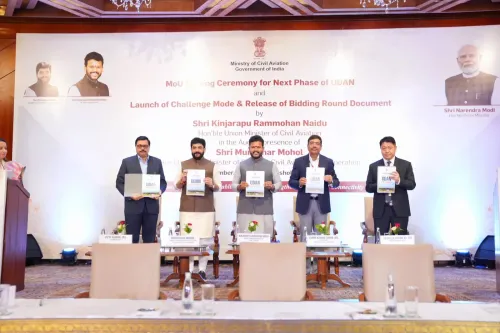
India has launched the Modified UDAN Scheme (Ude Desh ka Aam Nagrik) with a total outlay of ₹28,840 crore, targeting the construction of 100 new airports and 200 modern helipads to deepen regional air connectivity across the country, according to an official factsheet released on Friday, 17 July 2026. The revamped scheme marks the next phase of India's regional aviation push, building on a decade of expansion that has already more than doubled the country's operational airport count.
A Decade of Growth, and What Comes Next
The original Regional Connectivity Scheme (RCS) – UDAN, launched in October 2016, was designed to make air travel affordable and accessible, particularly in underserved regions. Its impact has been significant: the number of operational airports in India rose from 74 in 2014 to 165 as of 15 July 2026. India now ranks as the third-largest domestic aviation market globally. The modified scheme seeks to consolidate these gains and address infrastructure gaps that remain in smaller and geographically challenging markets.
Key Components and Funding Breakdown
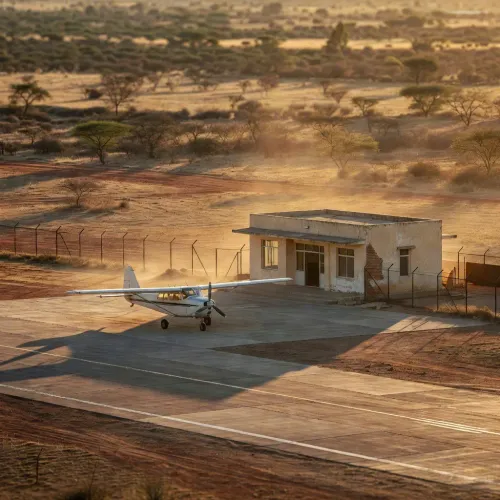
The largest single allocation under the Modified UDAN Scheme is ₹12,159 crore earmarked for the development of 100 airports from existing unserved airstrips over the next eight years. An additional ₹2,577 crore has been set aside for Operation and Maintenance (O&M) support for approximately 441 aerodromes over a structured three-year period, capped at ₹3.06 crore per annum per airport and ₹0.90 crore per annum per heliport or water aerodrome.
The scheme also proposes 200 modern helipads in priority regions where conventional airport infrastructure is not feasible due to geographical constraints, at an estimated cost of ₹15 crore per helipad — a total projected outlay of ₹3,661 crore over eight years. These helipads are intended to improve access to healthcare, support emergency response, and facilitate economic activity in remote areas.
Viability Gap Funding to Sustain Airline Operations
To encourage airlines to serve smaller, commercially unviable routes, the scheme continues its Viability Gap Funding (VGF) mechanism, with ₹10,043 crore proposed over a ten-year period. Airlines will receive funding support for up to five years, with a tapered disbursement structure beginning from the third year. Route exclusivity will be limited to three years, a design intended to gradually shift routes toward commercial sustainability without creating permanent subsidy dependence.
Atmanirbhar Bharat Push in Aviation
The Modified UDAN Scheme also incorporates an indigenous manufacturing angle under the Atmanirbhar Bharat initiative. The scheme proposes the procurement of two HAL Dhruv helicopters for Pawan Hans and two HAL Dornier aircraft for Alliance Air — both platforms designed for operations in challenging terrain and intended to support domestic aerospace manufacturing capability.
What This Means for Connectivity and Citizens
The scheme's multi-pronged approach — combining infrastructure creation, operational subsidies, and indigenous aircraft induction — signals a more comprehensive strategy than earlier UDAN rounds, which were primarily VGF-driven. Notably, the inclusion of helipad development and O&M support addresses two persistent gaps: last-mile connectivity in mountainous and island regions, and the financial unviability that has historically led airlines to exit regional routes after the exclusivity window closes. How effectively the government enforces route commitments and monitors disbursement milestones will determine whether this ₹28,840 crore bet translates into durable connectivity gains.
Point of View
But ambition and execution have diverged before in Indian aviation policy. The original UDAN saw airlines exit routes once VGF exclusivity lapsed, leaving smaller cities reconnected on paper and stranded in practice. The tapered funding and three-year exclusivity cap in this version are structurally sounder, but they only work if route monitoring is rigorous and airline commitments are enforced. The helipad push is genuinely new territory — and potentially the most impactful element for India's northeast, Himalayan districts, and island territories — but at ₹15 crore per helipad, cost discipline and site selection will be critical. The Atmanirbhar angle, while symbolically important, involves just four aircraft and should not be mistaken for a meaningful shift in India's aviation supply chain.
NationPress
16 Oct 2026
Frequently Asked Questions
What is the Modified UDAN Scheme launched in July 2026?
The Modified UDAN Scheme (Ude Desh ka Aam Nagrik) is a revamped regional aviation connectivity programme launched by the Indian government on 17 July 2026 with a total outlay of ₹28,840 crore. It aims to build 100 new airports and 200 modern helipads over eight years, while continuing Viability Gap Funding for airlines serving smaller markets.
How much funding is allocated to airport development under Modified UDAN?
₹12,159 crore has been earmarked specifically for developing 100 airports from existing unserved airstrips over eight years. An additional ₹2,577 crore covers Operation and Maintenance support for approximately 441 aerodromes for three years each.
What is Viability Gap Funding and how does it work under the new scheme?
Viability Gap Funding (VGF) is a government subsidy that makes commercially unviable regional routes financially viable for airlines. Under the Modified UDAN Scheme, ₹10,043 crore in VGF is proposed over ten years, with airlines eligible for up to five years of support, a tapered disbursement from year three, and route exclusivity limited to three years.
Why are 200 helipads being built under the Modified UDAN Scheme?
The 200 helipads target regions where conventional airport infrastructure is not feasible due to geographical constraints such as mountains or remote terrain. Each helipad is estimated to cost ₹15 crore, with a total outlay of ₹3,661 crore, and they are intended to improve healthcare access, emergency response, and economic activity in hard-to-reach areas.
How has India's aviation sector grown since the original UDAN launched in 2016?
Since UDAN's launch in October 2016, India's operational airports have grown from 74 in 2014 to 165 as of 15 July 2026. India now ranks as the third-largest domestic aviation market globally, and the Modified UDAN Scheme aims to build on this foundation by addressing remaining connectivity gaps.