UDAN scheme: Govt extends airline support to 5 years, widens VGF eligibility
Synopsis
The UDAN regional connectivity scheme just got its most significant overhaul since 2016 — airline subsidies extended to five years, VGF eligibility doubled to 14 weekly flights, and O&M support added for loss-making smaller airports. The changes signal that the Centre has acknowledged UDAN's structural viability problem and is now betting on longer, deeper support to fix it.
Key Takeaways
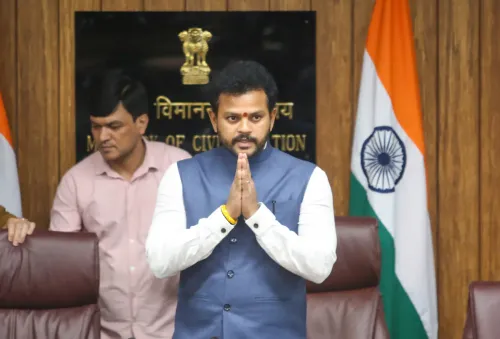
Union Minister Ram Mohan Naidu announced on 16 July that airline financial support under UDAN will be extended from 3 years to 5 years in a phased manner.
The VGF eligibility threshold has been raised from fewer than 7 flights a week to fewer than 14 flights a week, opening more routes to subsidy support.
The government will provide operational and maintenance (O&M) support to loss-making airports in Tier-2 and Tier-3 cities.
The UDAN scheme has been extended for another 10 years as part of the revamp.
The government is targeting 100 new airports and 200 heliports over the next decade, building roughly one terminal or airport per month.
The Supreme Court has sought a detailed report from the Centre on rising airfares; Naidu defended dynamic pricing as internationally accepted practice.
The Union government will extend financial support to airlines operating under the UDAN regional connectivity scheme from three years to five years in a phased manner, Union Minister of Civil Aviation Ram Mohan Naidu announced on Thursday, 16 July in New Delhi. The move is aimed at improving the viability of thin regional routes that have historically struggled to attract sustained airline interest.
Key Changes to the UDAN Framework
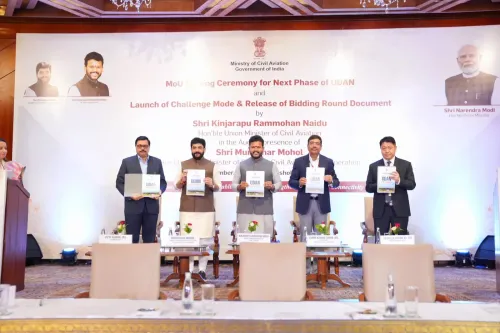
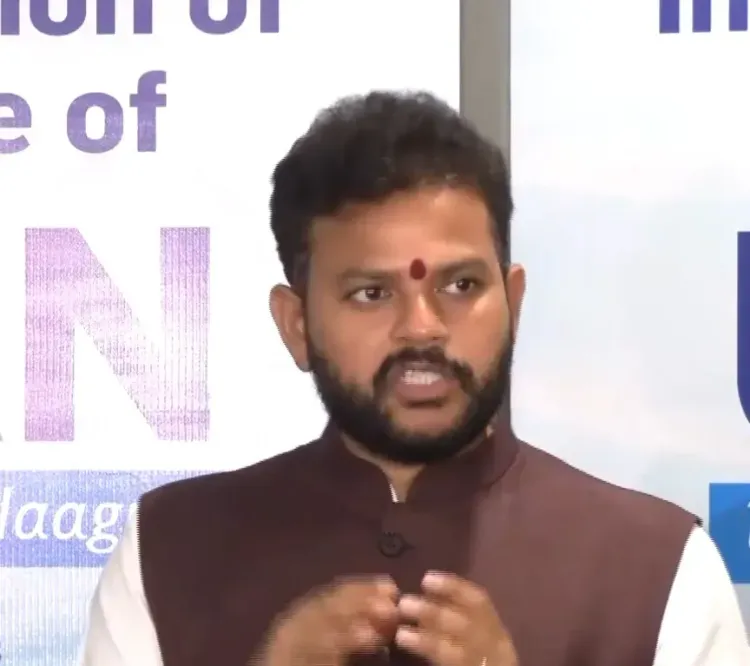
Speaking on the sidelines of a UDAN workshop, Naidu said the revamped scheme — which has already been extended for another 10 years — will also broaden the eligibility criteria for airports to qualify for viability gap funding (VGF). Under the revised norms, an airport will be classified as unserved or underserved if it receives fewer than 14 flights a week, up from the earlier threshold of 7 flights a week. 'We have now increased that threshold to 14 flights a week, which will allow more routes to receive viability gap funding,' Naidu said.
O&M Support for Tier-2 and Tier-3 Airports
The minister also announced operational and maintenance (O&M) support for airports in Tier-2 and Tier-3 cities that are unable to break even due to low passenger volumes. 'Some airports are facing losses due to lower passenger volumes. The government will extend a helping hand by providing operational and maintenance support wherever airports are unable to meet their operational expenses,' he said. This is a significant policy addition, as many smaller airports commissioned under earlier UDAN rounds have remained financially unviable despite infrastructure investment.
100 Airports, 200 Heliports in a Decade
Naidu reiterated the government's target of building 100 new airports and 200 heliports over the next decade, emphasising that close coordination with state governments would be critical. He noted that the government is currently building or upgrading airport infrastructure at the pace of roughly one new terminal or airport every month. 'We have had 100 per cent participation from all states and Union Territories in the workshop. This shows the enthusiasm for the UDAN scheme and reflects the partnership between the Centre, states and other stakeholders,' he said.
Government's Stand on Rising Airfares
On the Supreme Court seeking a detailed report from the Centre on rising airfares, Naidu said the government would present its regulatory framework in full. He defended dynamic pricing as an internationally accepted practice essential to the health of the aviation sector. 'Dynamic fare pricing is an internationally accepted practice and is essential for promoting the aviation sector and improving connectivity. That is why airlines in India are allowed to follow dynamic pricing,' he said. This comes amid growing public concern over ticket prices on domestic routes, particularly in smaller cities where UDAN routes are often the only affordable option.
What This Means for Regional Aviation
The UDAN scheme, launched in 2016, was designed to make air travel accessible to smaller Indian cities by subsidising airlines on underserved routes. The extension of VGF support from three to five years directly addresses one of the scheme's persistent criticisms — that the subsidy window was too short for airlines to build sustainable load factors on new routes. With the widened eligibility threshold and O&M support now added, the revamped framework represents the most comprehensive overhaul of UDAN since its inception. Industry observers will be watching whether the enhanced support translates into more airlines committing to regional routes long-term.
Point of View
And with over 70 UDAN airports already operational, the cumulative cost could be substantial. The Supreme Court's intervention on airfares adds political pressure that the ministry's dynamic-pricing defence may not fully absorb.
NationPress
15 Oct 2026
Frequently Asked Questions
What changes has the government made to the UDAN scheme?
The government has extended airline financial support under UDAN from three years to five years, widened VGF eligibility to airports with fewer than 14 weekly flights (up from 7), and added operational and maintenance support for loss-making Tier-2 and Tier-3 airports. The scheme itself has also been extended for another 10 years.
What is viability gap funding under UDAN and who qualifies now?
Viability gap funding (VGF) is a government subsidy paid to airlines to make otherwise unviable regional routes financially sustainable. Under the revised criteria, any airport receiving fewer than 14 flights a week — up from the earlier 7 — qualifies as unserved or underserved and can attract VGF-supported routes.
Why is the government providing O&M support to smaller airports?
Several airports in Tier-2 and Tier-3 cities commissioned under UDAN have been unable to cover their operating costs due to low passenger traffic. The government will now step in with operational and maintenance support to keep these airports functional until traffic grows.
What is the government's target for new airport infrastructure?
The Centre has set a target of building 100 new airports and 200 heliports over the next decade, and is currently completing roughly one new terminal or airport every month, according to Minister Ram Mohan Naidu.
What is the government's position on rising airfares flagged by the Supreme Court?
Minister Ram Mohan Naidu said the government would submit a detailed explanation of its regulatory framework to the Supreme Court. He defended dynamic fare pricing as an internationally accepted practice that is essential for the aviation sector's growth and regional connectivity.