UDAN scheme to connect 120 new destinations, benefit 4 crore passengers
Synopsis
India's revamped UDAN scheme is betting big — 120 unserved destinations, a 10-year horizon, and 4 crore passengers as the target. But with 54 of the 204 already-launched routes still suspended, the real test is whether execution can finally match ambition.
Key Takeaways
The revised UDAN scheme was launched on 4 July 2026 , targeting 120 new unserved and underserved destinations over 10 years .
The scheme is expected to benefit nearly 4 crore passengers across India.
204 new RCS routes have been launched in the past three years; 150 are currently operational , with the rest suspended due to technical and operational reasons.
Jodhpur Airport's new terminal spans 23,000 sq m , handles 2,000 passengers per peak hour , and has an annual capacity of 2 million passengers .
The upgraded apron can accommodate 11 Airbus A321 aircraft and one ATR-72 simultaneously.
The Centre is working with state governments and airlines to revive non-operational routes and promote balanced regional development.
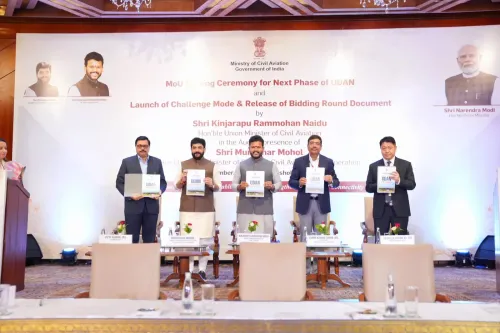
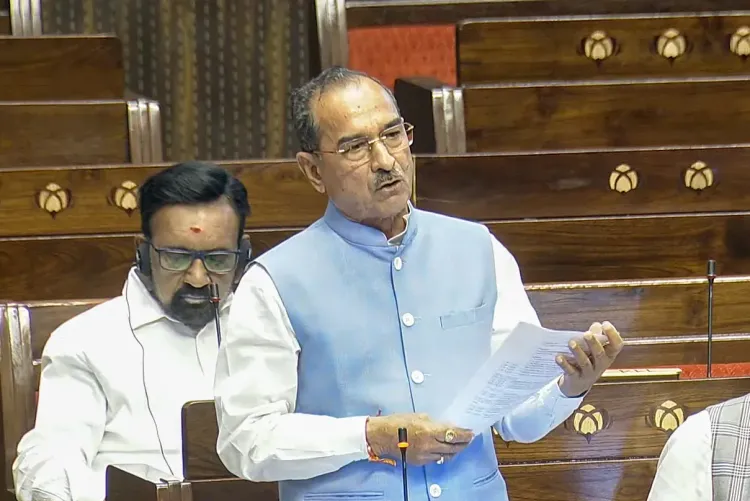
The Ministry of Civil Aviation launched a revised UDAN (Ude Desh Ka Aam Nagrik) scheme on 4 July 2026, committing to connect 120 new unserved and underserved destinations to India's aviation network over the next 10 years and benefiting an estimated 4 crore passengers. The announcement was confirmed in the Rajya Sabha by Minister of State for Civil Aviation Murlidhar Mohol in response to a question raised by Rajya Sabha MP Madan Rathore.
Key Developments Under the Revised UDAN Scheme
Since the scheme's earlier rollout, 204 new Regional Connectivity Scheme (RCS) routes have been launched across the country over the past three years, of which 150 routes are currently operational. The remaining routes were temporarily suspended due to technical and operational reasons, and the Centre is actively working to revive and operationalise them in coordination with state governments, implementing agencies, and airlines.
The revised scheme represents a significant scale-up from previous UDAN iterations, which had focused on a narrower set of Tier-2 and Tier-3 cities. Connecting 120 additional destinations over a decade signals a longer-term policy commitment to regional air access — a departure from the shorter planning cycles that characterised earlier phases.
Jodhpur Airport: A Model for Regional Upgrades
Rajasthan stands to gain directly from the expanded push. The newly inaugurated terminal building at Jodhpur Airport — built on a 23,000-square-metre site — can handle 2,000 passengers during peak hours and has an annual capacity of 2 million passengers. The upgraded apron can simultaneously accommodate 11 Airbus A321 aircraft and one ATR-72 aircraft, equipping the facility to handle significantly higher traffic volumes.
According to Rathore, the infrastructure upgrade is expected to provide a meaningful boost to tourism, trade, and investment in Rajasthan, a state whose key economic drivers — heritage tourism, handicrafts, and gems — depend heavily on air access from metros.
Why Regional Air Connectivity Matters
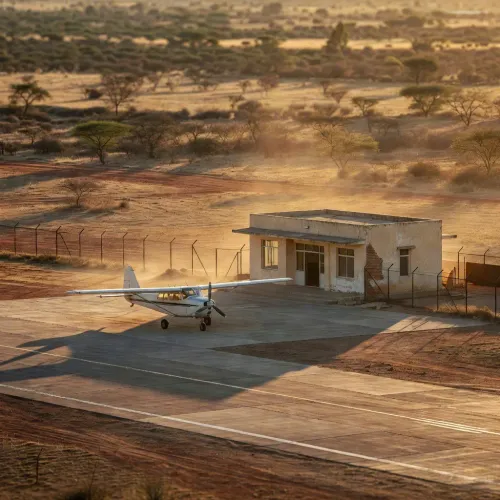
India's aviation market remains heavily concentrated around a handful of major hubs, leaving aspirational districts and remote regions underserved. The UDAN scheme, first launched in 2016, was designed to correct this imbalance by subsidising routes that commercial airlines would not otherwise operate. The revised 2026 edition extends that logic across a longer horizon, with the 10-year roadmap intended to provide airlines and airport operators greater planning certainty.
Notably, the suspension of a portion of the 204 launched routes underscores the execution challenges that have historically dogged the scheme — thin passenger loads on some routes, airline exits, and infrastructure gaps at smaller airports. The Centre's stated commitment to reviving non-operational routes will be a key metric to watch.
What Comes Next
The government is expected to roll out the 120 new destinations in phases over the decade, with route awards likely to follow a competitive bidding process similar to earlier UDAN rounds. Industry observers will track whether the revised scheme addresses past pain points — particularly the viability gap funding structure and the timeline for airport readiness at smaller locations. For states like Rajasthan, the combination of new routes and upgraded airport infrastructure could meaningfully shift the economics of regional tourism and trade.
Point of View
The 120-destination target risks becoming another aspirational figure. Rajasthan's Jodhpur upgrade is real and measurable; the national scheme's delivery record is not.
NationPress
20 Oct 2026
Frequently Asked Questions
What is the revised UDAN scheme launched in 2026?
The revised UDAN (Ude Desh Ka Aam Nagrik) scheme, launched on 4 July 2026 by the Ministry of Civil Aviation, aims to connect 120 new unserved and underserved destinations to India's aviation network over 10 years. It is expected to benefit approximately 4 crore passengers.
How many UDAN routes are currently operational?
Of the 204 new Regional Connectivity Scheme routes launched under UDAN over the past three years, 150 are currently operational. The remaining routes were temporarily suspended due to technical and operational reasons, and the Centre is working to revive them.
What are the new facilities at Jodhpur Airport?
Jodhpur Airport's newly inaugurated terminal is built on a 23,000-square-metre site and can handle 2,000 passengers during peak hours, with an annual capacity of 2 million passengers. The upgraded apron can simultaneously accommodate 11 Airbus A321 aircraft and one ATR-72.
How will the UDAN scheme benefit Rajasthan?
Rajasthan stands to gain through new air routes under UDAN and the upgraded Jodhpur Airport, which is expected to boost tourism, trade, and investment in the state. Improved connectivity to remote and aspirational regions is also a stated goal of the scheme.
When was the original UDAN scheme launched?
The original UDAN scheme was first launched in 2016 to improve regional air connectivity by subsidising routes that commercial airlines would not otherwise operate. The 2026 revision extends its scope significantly, adding 120 new destinations over a 10-year horizon.