Trump defends Iran war costs as 'small price' to stop nuclear threat
Synopsis
With petrol at $4.18 a gallon in Florida and grocery bills still elevated, Trump told a local TV station the Iran war's economic costs are 'a small price to pay' to deny Tehran a nuclear weapon — a blunt political bet just days before the 3 November midterm elections.
Key Takeaways
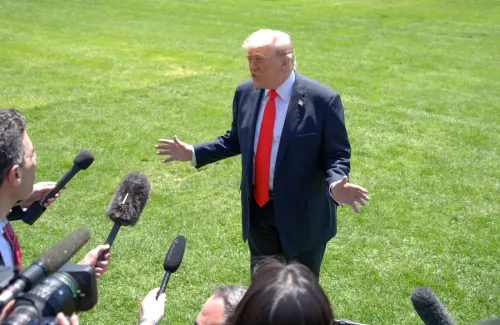
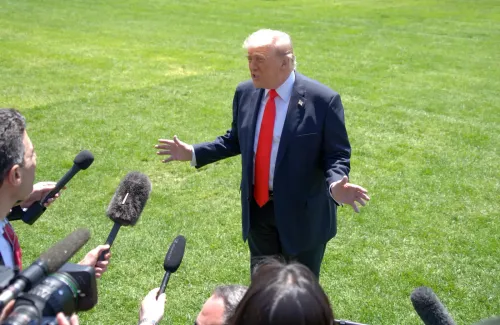
President Trump defended the Iran war's economic fallout in an interview with WINK-TV on 24 October 2026 .
Petrol prices in southwest Florida have reached an average of $4.18 a gallon , according to anchor Claire Galt .
Trump said he anticipated the energy price rise, calling it 'a choice' and describing Iran as 'the number one state sponsor of terror.' Trump claimed oil flows through the Strait of Hormuz have increased since the war began — a claim that was not independently verified.
The remarks came days before the 3 November midterm elections, with cost of living a central issue for voters.
Trump offered no specific end date for the conflict, saying it would end 'one way or another, through agreement or otherwise.'
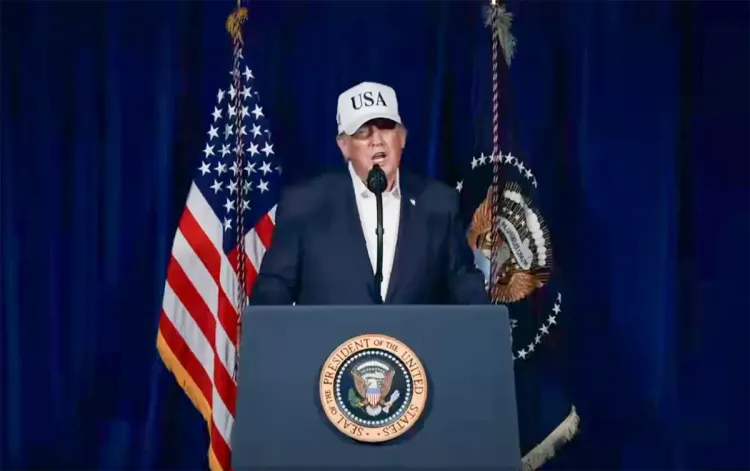
US President Donald Trump has acknowledged that the ongoing war with Iran has driven up oil prices and intensified financial pressures on American households, but defended the economic fallout as a necessary trade-off to prevent Tehran from acquiring nuclear weapons. The remarks were made in an interview with Florida television station WINK-TV on 24 October 2026.
Trump's Justification for the Economic Pain
When asked by WINK-TV anchor Claire Galt about the financial burden on consumers — including petrol prices averaging $4.18 a gallon in southwest Florida and persistently high grocery bills — Trump was unapologetic. 'You know, it's a small price to pay for taking a nuclear weapon away from Iran, which is a very evil country,' he said.
The President acknowledged that beef prices remain elevated and that oil prices have risen as a direct consequence of the conflict. 'Beef's a little bit high and it's coming down,' he said, noting that cattle production cycles mean prices could take longer to normalise.
On energy, Trump said the price increase was anticipated but that military action was unavoidable. 'We had it very low and I knew that would happen, but it was a choice,' he said, recalling petrol prices of $1.85 and $1.95 a gallon during a visit to Iowa before the military campaign began.
Nuclear Threat as the Central Argument
Trump framed Iran as 'the number one state sponsor of terror' and argued that denying Tehran a nuclear capability was a historic obligation. 'Iran cannot have a nuclear weapon. So, I'm honoured to have done it,' he said. He also suggested that previous American administrations had failed by not acting sooner.
The President offered no specific timetable for ending the conflict but left open the possibility of further military action. 'I see it ending soon. I see it ending one way or another, through agreement or otherwise,' he said — a formulation that stops well short of a ceasefire guarantee.
Claims on Hormuz Shipping Volumes
Trump made a notable claim in the WINK-TV interview regarding oil flows through the Strait of Hormuz, asserting that shipments had actually increased since the war began. 'Tremendous amounts of oil are coming through the Hormuz Strait, more than we actually had before the war, which is pretty amazing,' he said. He attributed this to US Navy operations in the region. These claims were reportedly not independently verified.
The Political Context: Midterms and the Cost-of-Living Debate
Trump's remarks came as Americans prepare for the 3 November midterm elections, with the cost of living emerging as a dominant political issue. Republicans are fighting to retain control of Congress, and rising fuel and food prices have become a flashpoint on the campaign trail.
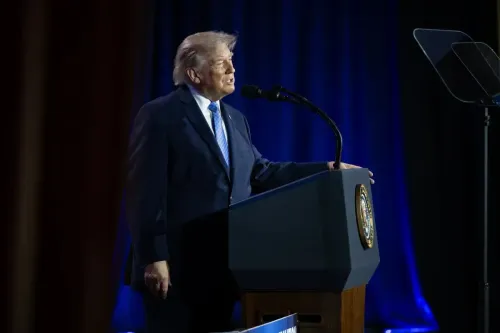
At a separate Republican campaign rally in Fort Myers, Trump reiterated that his administration had weighed the likely economic impact before proceeding with military operations, framing the decision as a deliberate strategic choice rather than an oversight. As the midterms approach, the administration's ability to reconcile its national security rationale with voters' household anxieties will likely define the final stretch of the campaign.
Point of View
Betting that voters will accept hardship if the national security rationale is compelling enough. But with petrol above $4 and grocery bills still elevated heading into the midterms, that gamble is far from settled. His unverified claim that Hormuz oil flows have actually increased since the war began deserves scrutiny — if the numbers don't hold up, it hands opponents a ready-made credibility attack. The broader pattern here is a president who has consistently treated economic collateral damage as acceptable if the strategic objective is framed in existential terms; whether American voters in swing districts agree will be answered on 3 November.
NationPress
24 Oct 2026
Frequently Asked Questions
Why did Trump say the Iran war costs are a 'small price to pay'?
Trump argued that preventing Iran from acquiring nuclear weapons justifies the economic consequences of the war, including higher oil and food prices. He described Iran as 'the number one state sponsor of terror' and said denying it a nuclear capability was a historic necessity.
How much have petrol prices risen in the US due to the Iran war?
According to WINK-TV anchor Claire Galt, petrol prices in southwest Florida had reached an average of $4.18 a gallon at the time of the interview on 24 October 2026. Trump acknowledged the rise and said he had anticipated it before ordering military operations.
When does Trump say the Iran war will end?
Trump offered no specific timetable, saying only that he expected it to end 'soon' and 'one way or another, through agreement or otherwise.' The statement left open the possibility of further military action rather than a negotiated settlement.
What did Trump claim about oil shipments through the Strait of Hormuz?
Trump claimed that oil flows through the Strait of Hormuz had increased since the war began, attributing this to US Navy operations in the region. These claims were reportedly not independently verified.
How does the Iran war factor into the US midterm elections?
The midterm elections are scheduled for 3 November 2026, and the cost of living — driven in part by war-related energy and food price increases — has emerged as a major political issue. Republicans, who are fighting to retain control of Congress, face voter pressure over household economic burdens.