Rubio to tout Maduro removal as landmark Trump foreign policy win
Synopsis
Marco Rubio is set to tell Congress that American Special Forces removed Nicolas Maduro from power 'within hours' in what he calls 'one of the most extraordinary feats of lethal precision in military history' — framing it as the crown jewel of Trump's hemispheric strategy. The testimony is the administration's most detailed public account of the Venezuela operation yet.
Key Takeaways
Secretary of State Marco Rubio is set to testify before the House Appropriations Subcommittee on Tuesday , presenting the Maduro removal as a landmark Trump-era achievement.
Rubio describes the Venezuela operation as 'one of the most extraordinary feats of lethal precision in military history,' claiming US Special Forces removed Nicolas Maduro 'within hours.' The administration designated MS-13 and Tren de Aragua as terrorist organisations and claims a multinational coalition was built to dismantle them.
Rubio frames the Maduro regime as a regional security hub — not merely an authoritarian government — alleging it exported criminals and collaborated with hostile foreign powers.
Washington reportedly used trade, financial leverage, and diplomatic pressure to align Latin American governments with US priorities on migration and organised crime.
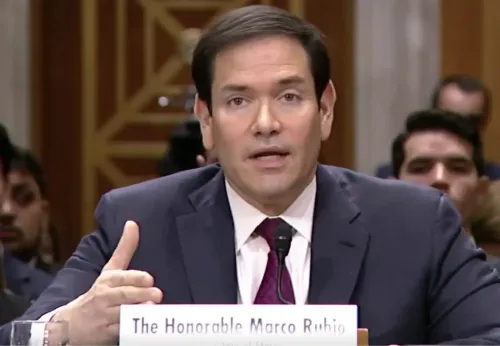
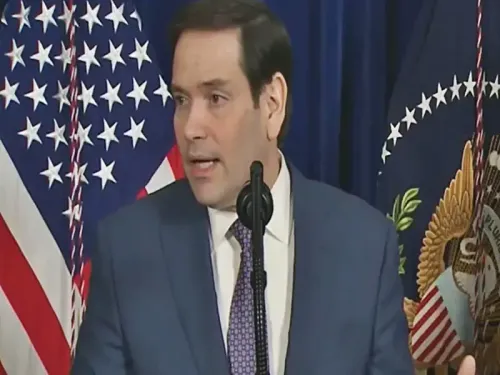
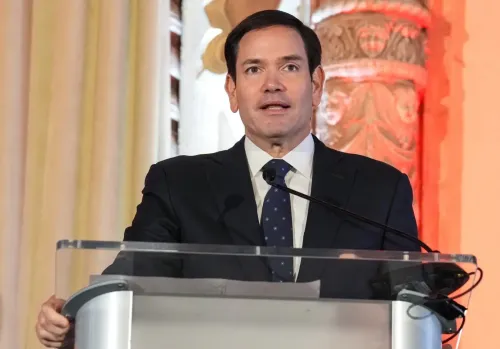
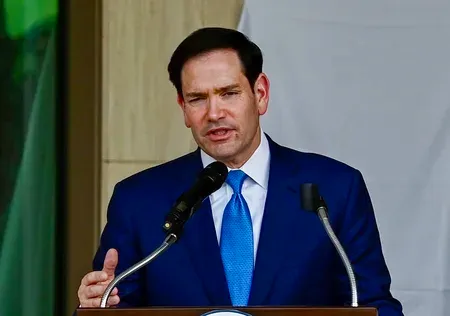
US Secretary of State Marco Rubio is set to present the removal of Venezuelan leader Nicolas Maduro as one of the Trump administration's most consequential foreign policy achievements when he testifies before lawmakers on Tuesday, according to prepared remarks reviewed ahead of the hearing. The testimony, prepared for delivery before the House Appropriations Subcommittee on National Security, Department of State, and Related Programs, represents one of the administration's most detailed public accounts of its Venezuela strategy to date.
Rubio's Core Argument
In his prepared statement, Rubio plans to argue that President Donald Trump's return to the White House marked a decisive shift in US policy toward the Western Hemisphere. The administration, he contends, has prioritised dismantling organised crime networks, curbing illegal migration, and confronting governments it considers hostile to American interests.
'President Trump has taken back control of our hemisphere,' Rubio says in the prepared remarks. 'For too long, allowed hostile regimes, cartels, criminal gangs and foreign adversaries to run rampant in our own backyard.'
Venezuela: The Centrepiece of the Testimony
The most striking portion of Rubio's prepared statement centres on Venezuela. He describes the operation against Maduro as 'one of the most extraordinary feats of lethal precision in military history,' claiming that American Special Forces 'crossed a hemisphere, penetrated one of the most heavily fortified capitals in the region, neutralised the regime's military infrastructure, and removed Nicolas Maduro from power within hours.'
Rubio characterises the Maduro government not merely as an authoritarian administration but as an active regional security threat. 'The Maduro regime was not simply another corrupt dictatorship,' he says in the prepared remarks. 'It was a hub of regional disorder: exporting criminals, empowering cartels, collaborating with hostile powers, and turning mass migration into a weapon aimed northward at the United States.'
He further alleges that Maduro had 'emptied his prisons into our cities' and transformed Venezuela into 'a beachhead for our adversaries.'
Action Against Criminal Networks
Rubio also details what he describes as direct action against transnational criminal organisations, including MS-13 and Tren de Aragua, both of which the administration has designated as terrorist organisations. He claims the US assembled a multinational coalition to confront them.
'That ended on day one of this administration,' Rubio says. 'We confronted MS-13, Tren de Aragua, and the other evil cartels as the terrorist organisations that they are and built a transcontinental coalition to defeat and dismantle them.'
On narcotics trafficking, Rubio says: 'Narco-cartel boats ferrying their poison into our borders were not met with strongly worded letters, but with the full weight of American firepower.'
Broader Latin America Strategy
Beyond Venezuela, Rubio's testimony outlines a wider hemispheric strategy built on economic and diplomatic leverage. According to the prepared remarks, Washington has used 'trade relationships', 'financial leverage', and 'diplomatic standing' to bring governments across Central and South America into alignment with US priorities on migration, organised crime, and security.
'We have made it clear to every government in this hemisphere that America can either be their greatest friend or their most feared enemy — the choice is theirs,' he says.
Context and What Comes Next
The hearing comes as the administration seeks congressional backing for its foreign policy budget. Latin America has remained a central focus of the Trump administration's second term, with migration curbs, disruption of transnational criminal networks, and countering governments viewed as hostile to Washington among its stated priorities. How lawmakers respond to Rubio's characterisation of the Venezuela operation — particularly his use of terms like 'lethal precision' — is expected to shape the subcommittee's budget deliberations.
Point of View
Regional blowback, and what comes next for Caracas. Framing every Latin American government as a potential friend or 'most feared enemy' is a coercive doctrine that could strain relationships Washington needs on trade and migration. The real test of this hemisphere strategy is not the removal of one leader but whether the power vacuum in Venezuela stabilises or deepens the migration and criminal flows the administration says it set out to stop.
NationPress
23 Sept 2026
Frequently Asked Questions
What is Marco Rubio expected to tell Congress about Venezuela?
Rubio is expected to present the removal of Nicolas Maduro as one of the Trump administration's most significant foreign policy achievements, describing the operation as 'one of the most extraordinary feats of lethal precision in military history.' He claims US Special Forces removed Maduro from power within hours.
Which committee is Rubio testifying before?
Rubio is scheduled to appear before the House Appropriations Subcommittee on National Security, Department of State, and Related Programs on Tuesday. The hearing is tied to the administration's request for congressional support for its foreign policy budget.
How does the Trump administration characterise the Maduro regime?
According to Rubio's prepared testimony, the administration views the Maduro government not simply as an authoritarian regime but as 'a hub of regional disorder' that exported criminals, empowered cartels, collaborated with hostile foreign powers, and weaponised mass migration toward the United States.
What action did the administration take against MS-13 and Tren de Aragua?
The Trump administration designated both MS-13 and Tren de Aragua as terrorist organisations and, according to Rubio, assembled a multinational coalition to confront and dismantle them, with direct action taken against narcotics trafficking networks.
What tools did Washington use to influence Latin American governments?
According to the prepared testimony, the administration relied on trade relationships, financial leverage, and diplomatic standing to bring governments across Central and South America into alignment with US priorities on migration, organised crime, and regional security.