Rubio: Critical minerals now core to US diplomacy, countering China
Synopsis
Marco Rubio just put critical minerals on the same diplomatic footing as trade and security. With every US embassy now tasked on mineral supply chains and 36+ countries at the Critical Minerals Ministerial, Washington is racing to break China's grip on refining — the choke point that decides who wins the AI, EV and defence race.
Key Takeaways
Marco Rubio told the House Appropriations Subcommittee on 3 June 2025 that critical minerals are now central to US diplomacy.
US embassies worldwide have been directed to prioritise mineral supply chain security.
The Critical Minerals Ministerial drew ‘three dozen or more countries' , per Rubio.
Strategy targets not just mining access but processing and refining capacity outside China.
Rubio warned of ‘hyper concentration' risk across multiple strategic industries.
Focus sectors: AI , semiconductors , EVs , batteries , defence and clean energy .
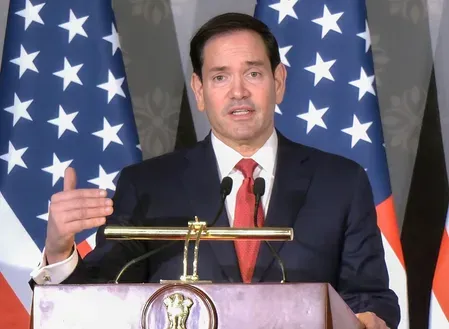
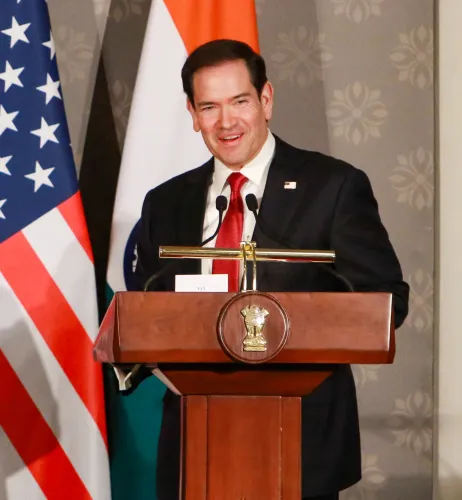
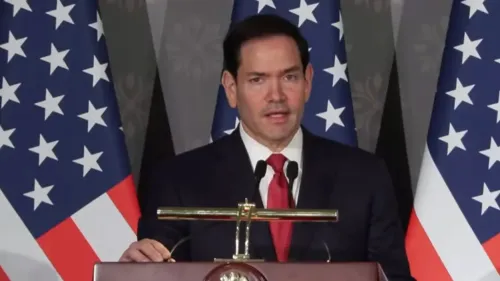
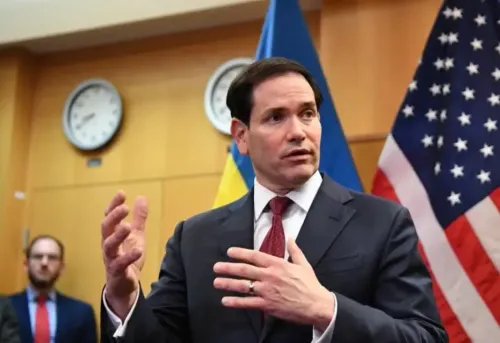
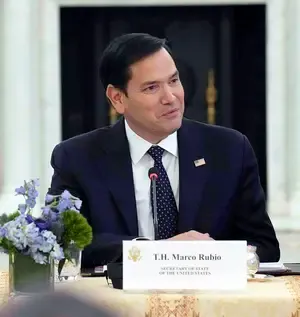
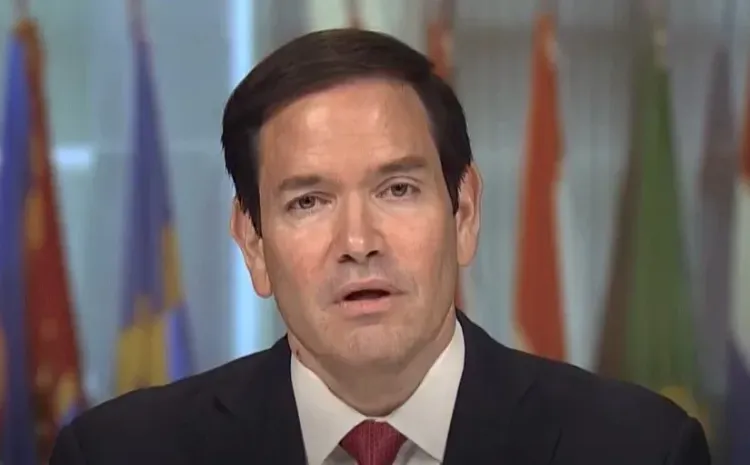
US Secretary of State Marco Rubio on 3 June 2025 told American lawmakers that critical minerals have become a central pillar of US diplomacy, with embassies worldwide now actively working to secure supply chains and reduce dependence on China. Testifying before the House Appropriations Subcommittee on National Security, Department of State and Related Programs, Rubio said the Trump administration has elevated the issue to the forefront of its foreign policy agenda.
What Rubio told lawmakers
‘In every embassy around the world, critical minerals are a key component of our diplomacy,' Rubio said, framing the minerals race as the next frontier of US-China strategic competition beyond trade and technology.
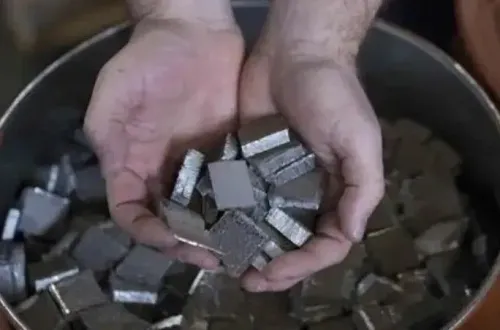
The Secretary described critical minerals as essential to the future of advanced manufacturing, artificial intelligence, defence systems, semiconductors and clean energy technologies — sectors where Beijing currently dominates mining, refining and processing.
Building alternative supply chains
Rubio said Washington is working with partners across multiple regions to develop alternative supply chains. He pointed to recent diplomatic initiatives, including the Critical Minerals Ministerial, which he said drew ‘three dozen or more countries'.
Crucially, the US strategy extends beyond access to mineral deposits. ‘The ability to process those materials into a usable product' has become equally important, Rubio said, describing refining capacity outside China as a pillar of economic and national security planning.
The China challenge in developing markets
Rubio argued that many countries seeking infrastructure and industrial development have historically had few alternatives to Chinese-backed projects. ‘The only people showing up are Chinese companies,' he said, describing a recurring pattern across the developing world.
In response, the US is promoting American and allied alternatives across mining, processing, transportation and logistics infrastructure, often leveraging financing mechanisms and partnerships with like-minded nations to back strategic projects in mineral-rich regions.
Why hyper-concentration worries Washington
Rubio said supply-chain concerns now extend beyond minerals to other sectors where production has become heavily concentrated. ‘We simply have a hyper concentration' in certain industries, he warned, cautioning that single-supplier dependence creates compounding economic and strategic risks.
The urgency has grown as governments race to secure inputs for electric vehicles, battery manufacturing, renewable energy systems and emerging AI-linked technologies — all of which rely on a narrow basket of minerals where China controls the bulk of global processing.
What happens next
The State Department is expected to deepen bilateral and multilateral engagements on mineral security in the coming months, with diplomats tasked with mapping vulnerabilities and connecting partner governments to non-Chinese investment options. The success of that push will likely shape how quickly the US and its allies can blunt Beijing's leverage over the technologies of the next decade.
Point of View
And rebuilding that capacity in allied geographies will take years and serious capital, not just ministerials. The ‘only Chinese companies show up' line is candid but also indicts two decades of US development finance underinvestment. Unless Washington pairs diplomacy with bankable financing at Belt-and-Road scale, the speeches will outrun the supply.
NationPress
17 Sept 2026
Frequently Asked Questions
What did Marco Rubio say about critical minerals?
Secretary of State Marco Rubio told the House Appropriations Subcommittee on 3 June 2025 that critical minerals are now a central pillar of US diplomacy and that every US embassy is working on supply-chain security. He framed it as essential to countering China's dominance in mining and processing.
Why are critical minerals important for the US?
Critical minerals underpin advanced manufacturing, AI, semiconductors, defence systems, EVs and clean energy. China currently dominates global mining, refining and processing of many of these minerals, creating supply-chain vulnerabilities the US considers a national security risk.
What is the Critical Minerals Ministerial?
It is an international forum on mineral security and cooperation among allied nations. Rubio said ‘three dozen or more countries' attended, reflecting growing global concern over concentrated supply chains.
How is the US planning to reduce dependence on China?
The US is working with partner countries to develop alternative supply chains spanning mining, processing, refining, transportation and logistics. The strategy combines diplomatic engagement with financing mechanisms to offer non-Chinese options to mineral-rich developing nations.
Which sectors are most exposed to mineral supply risks?
Electric vehicles, battery manufacturing, renewable energy systems, semiconductors, defence equipment and AI-linked technologies are most exposed. All depend on a narrow basket of minerals where processing capacity is heavily concentrated in China.