Ukraine NATO membership 'not on table': Rubio in Reykjavik
Synopsis
US Secretary of State Marco Rubio has publicly ruled out Ukraine's NATO membership as an immediate prospect, tying any future movement to ending the war with Russia first. Speaking in Reykjavik, he also flagged worsening 'trend lines' in the conflict — a rare public admission that the trajectory is heading away from peace, not toward it.
Key Takeaways
US Secretary of State Marco Rubio stated on 7 October 2026 that Ukraine's NATO membership is 'not on the table' at present.
Rubio said Washington's immediate priority is ending the Russia-Ukraine war , not advancing Ukraine's alliance bid.
He flagged concern over 'trend lines' in the conflict, saying they are not moving toward an end to the fighting.
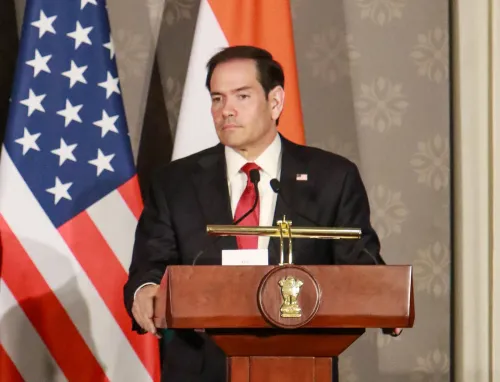
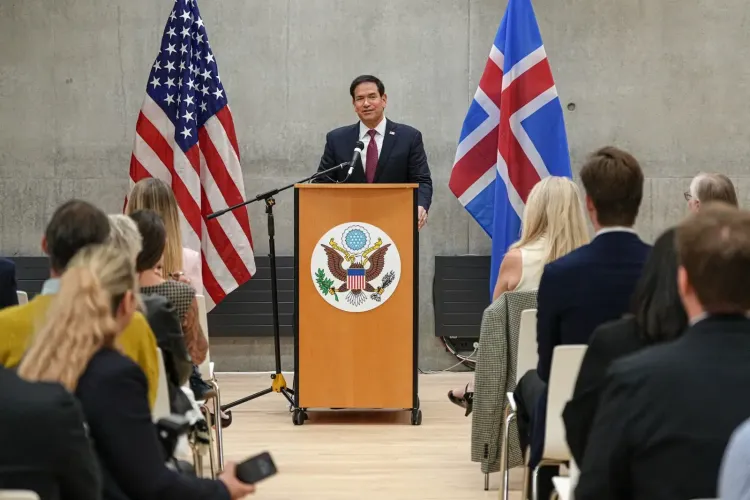
Remarks were made in Reykjavik alongside Icelandic Foreign Minister Thorgerdur Katrin Gunnarsdottir .
Rubio described Iceland as strategically vital to both European and US homeland security, signalling renewed Arctic focus.
US forces had ended their enduring presence in Iceland in 2006 ; Washington now signals readiness for expanded cooperation.
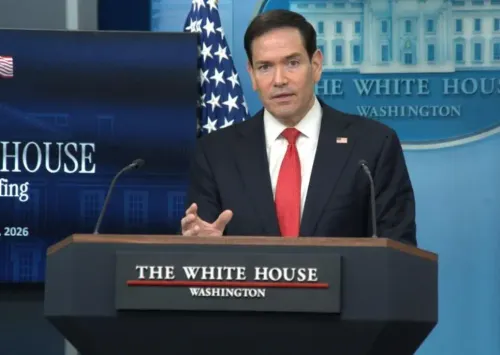
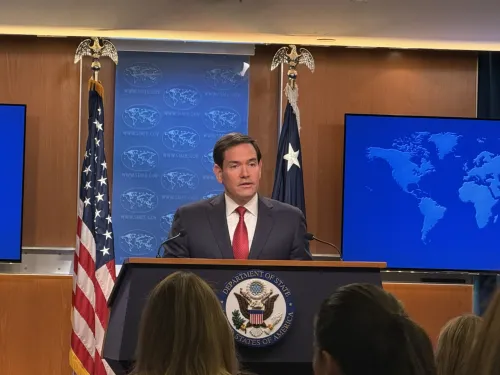
US Secretary of State Marco Rubio declared on 7 October 2026 that Ukraine's membership in NATO is 'not on the table' at present, as Washington remains focused on ending the ongoing war with Russia rather than expanding the alliance. The remarks, made in Reykjavik, Iceland, signal that the United States is not prepared to advance Ukraine's NATO bid while the conflict remains unresolved.
What Rubio Said
Speaking at a joint media availability alongside Icelandic Foreign Minister Thorgerdur Katrin Gunnarsdottir, Rubio was direct when pressed on Ukraine's NATO prospects. 'Ukraine, right now, NATO membership, as you know, is not on the table as we speak, because there's obviously a consensus process that has to happen in order for unanimity process that has to happen,' he said.
Asked for a clear yes-or-no position, Rubio declined to provide one, saying the question had no simple answer. Instead, he emphasised that ending the conflict was Washington's overriding immediate priority. 'Right now we're simply focused, when it comes to Ukraine on the ending of this conflict, if that's possible,' he said.
Concern Over the Conflict's Trajectory
Beyond the NATO question, Rubio voiced unease about the direction of the war. 'We're obviously watching the trend lines there and seeing that's not the direction that it's headed right now,' he said, indicating that battlefield and diplomatic developments were not moving toward a ceasefire or settlement.
He also expressed regret over the human cost. 'It's unfortunate the amount of loss of life. We've been clear that if there's a role we can play in bringing that war to an end, we want to play a constructive role,' Rubio added. Notably, this framing — positioning the US as a potential peace facilitator rather than a guarantor of Ukrainian security commitments — underscores a shift in Washington's public posture on the conflict.
Arctic and High North Security
The Reykjavik visit also covered a broadening set of security concerns in the Arctic and High North. Rubio described Iceland as strategically critical to both European and American security, citing the country's geography. 'I think Iceland and its location plays a critical role in the defense both of Europe, but also of the homeland of the United States because of geography,' he said.
The Secretary of State noted that Washington had refocused on the Arctic after US forces were withdrawn from an enduring presence in Iceland in 2006. 'The reality of it is the world has changed over the last 20 years. Our focus has changed. There's a lot of focus on the Arctic,' he said. He indicated Washington would be open to discussing expanded cooperation with Reykjavik.
Broader Security Threats in the Region
Rubio identified a range of non-conventional threats in the High North, including covert activity, risks to undersea cables and shipping lanes, and economic and commercial challenges with national security dimensions. These concerns reflect a wider NATO and US anxiety about Russian and other adversarial activity in the Arctic corridor — an issue that has gained urgency in recent years as melting ice opens new transit routes and resource competition intensifies.
What This Means for Ukraine
Rubio's remarks are consistent with a pattern of cautious US signalling on Ukraine's long-term security architecture. While NATO allies have repeatedly affirmed that Ukraine's path to membership remains open 'in principle,' the practical consensus required for a formal invitation has remained elusive — particularly given opposition from members concerned about direct escalation with Russia. The US position, as restated in Reykjavik, ties any movement on membership explicitly to a resolution of the conflict first. How that sequence plays out — and whether a ceasefire can be achieved — will define the next phase of Western security commitments to Kyiv.
Point of View
Which is as much about competing with Russia on a second front as it is about Iceland's geography.
NationPress
7 Oct 2026
Frequently Asked Questions
What did Marco Rubio say about Ukraine's NATO membership?
US Secretary of State Marco Rubio said on 7 October 2026 that Ukraine's NATO membership is 'not on the table' at present, emphasising that Washington is focused on ending the Russia-Ukraine conflict first. He declined to give a simple yes-or-no answer on whether Ukraine would eventually join NATO.
Why is Ukraine's NATO membership not being pursued right now?
Rubio cited the ongoing war with Russia and the requirement for a unanimous consensus among all NATO members as the primary reasons. He indicated that the US sees ending the conflict as a prerequisite before any formal membership process can advance.
What did Rubio say about the direction of the Russia-Ukraine war?
Rubio said Washington was watching the 'trend lines' in the conflict and that they were not moving toward an end to the fighting — a notably candid admission of concern about the war's trajectory.
Why was Rubio in Reykjavik, Iceland?
Rubio visited Reykjavik for a joint media availability with Icelandic Foreign Minister Thorgerdur Katrin Gunnarsdottir. The meeting covered both the Ukraine conflict and growing security concerns in the Arctic and High North, with Rubio describing Iceland as strategically critical to European and US homeland defence.
What security concerns did Rubio raise about the Arctic?
Rubio flagged covert activity, threats to undersea cables and shipping lanes, and economic and commercial challenges with national security implications in the High North. He also noted that the US had refocused on the Arctic after withdrawing its enduring military presence from Iceland in 2006, signalling openness to expanded cooperation with Reykjavik.