Rubio admits Ukraine peace stalled as Russia, Kyiv refuse concessions
Synopsis
Marco Rubio's testimony was the clearest admission yet that the Trump administration's Ukraine peace push has stalled. With Russia refusing concessions and US weapons still flowing to Kyiv through the PURL programme, Washington has dropped the pretence of neutrality — but has little to show diplomatically for a year of high-level engagement.
Key Takeaways
Marco Rubio told the House Foreign Affairs Committee on Wednesday that Ukraine peace efforts remain stalled.
Rubio said neither side, ‘particularly on the Russian side', is willing to make necessary concessions.
He explicitly rejected the ‘impartial mediator' label, citing US weapons to Ukraine and sanctions on Russia.
Arms sales to Kyiv continue through the PURL programme , unaffected by Middle East developments.
The remarks came during a hearing on the State Department's FY 2027 budget request.
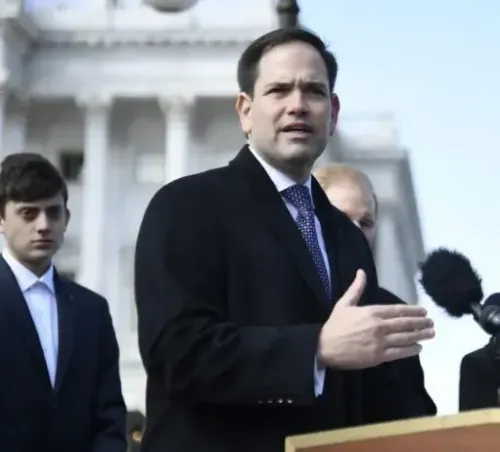
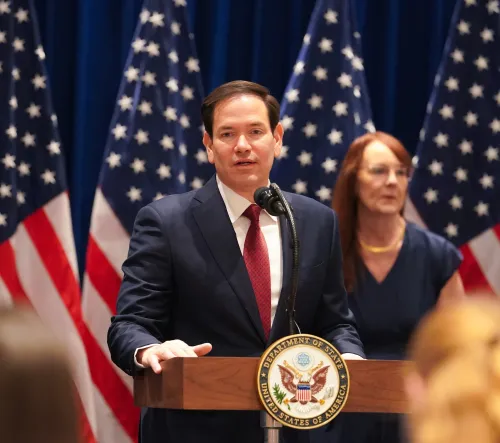
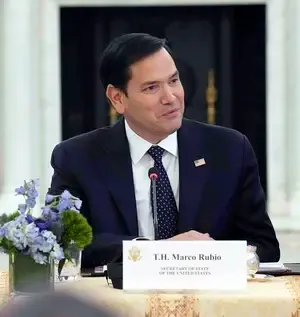
US Secretary of State Marco Rubio on Wednesday conceded that efforts to broker an end to the Ukraine war remain deadlocked, telling lawmakers in Washington that neither Russia nor Ukraine appears ready to make the concessions required for a peace agreement. The remarks, delivered before the House Foreign Affairs Committee, mark one of the Trump administration's most candid acknowledgements yet that its diplomatic push has hit a wall.
Key admissions before Congress
Appearing at a hearing on the State Department's Fiscal Year 2027 budget request, Rubio described the conflict as among the administration's most persistent diplomatic challenges. He said Washington had invested significant high-level effort but had yet to secure a breakthrough.
‘We've invested a lot of time in it. Unfortunately, so far, neither side has been willing to make concessions, particularly on the Russian side, necessary in order to bring peace about,' Rubio told the panel.
‘No military solution' to the war
The Secretary reiterated that the United States remains willing to play a constructive role if an opening emerges, while ruling out a battlefield resolution.
‘We remain ready to play any role we can in that context of bringing a peace about, because we think the war in Ukraine, devastating war, has no military solution. It can only be solved through a diplomatic route,' he said.
Not a neutral mediator, says Rubio
Pushing back against the framing of the US as an impartial broker, Rubio drew a sharp line on where Washington stands.
‘We are not impartial mediators in that war,' he said. ‘We don't provide weapons to Russia; we only provide weapons to Ukraine. We don't impose sanctions on Ukraine; we only impose sanctions on Russia. So, we have clearly taken a side.'
He confirmed that arms sales to Kyiv are continuing through the PURL programme, ‘unimpeded by what's happened in the Middle East or anywhere else'.
Democrats flag omission of Ukraine
The exchange came after Representative William Keating criticised the administration for not listing Ukraine among the State Department's major diplomatic achievements, as Rubio had outlined. Keating argued that the conflict remains one of the most consequential crises facing the United States and its allies.
Rubio acknowledged the frustration and said Washington would continue engaging both sides. ‘We stand ready, and we've engaged and invested a tremendous amount of high-level time on that conflict over the last year,' he said.
What happens next
With Rubio conceding that ‘the prospects don't look great that either side is prepared to make the concessions necessary in order to reach an agreement', attention now shifts to whether Washington can revive back-channel talks or whether the conflict drifts further into a prolonged stalemate even as US weapons keep flowing to Kyiv.
Point of View
And Rubio is now publicly pinning the blame on Moscow. Yet by simultaneously confirming continued PURL weapon flows and sanctions only on Russia, he has effectively conceded that the US posture is closer to that of the Biden years than the campaign rhetoric suggested. The gap between diplomatic ambition and battlefield reality is widening.
NationPress
18 Oct 2026
Frequently Asked Questions
What did Marco Rubio say about the Ukraine peace process?
Rubio told the House Foreign Affairs Committee on Wednesday that peace efforts remain stalled because neither Russia nor Ukraine is prepared to make the concessions needed for an agreement. He said the US has invested significant diplomatic time but has not achieved a breakthrough.
Is the United States a neutral mediator in the Ukraine war?
No. Rubio explicitly said, ‘We are not impartial mediators in that war.' He noted that Washington supplies weapons only to Ukraine and imposes sanctions only on Russia, meaning it has clearly taken a side.
What is the PURL programme Rubio referred to?
PURL is the mechanism through which the US continues to sell weapons to Ukraine. Rubio confirmed these sales are continuing ‘unimpeded' by developments in the Middle East or elsewhere.
Why did Representative William Keating criticise Rubio?
Keating criticised the administration for not including Ukraine among the State Department's major diplomatic achievements in Rubio's testimony. He argued the conflict remains one of the most consequential international crises for the US and its allies.
Does the US believe Ukraine can be won militarily?
No. Rubio stated the Ukraine war ‘has no military solution' and can only be resolved through diplomacy. He said Washington stands ready to help whenever a viable negotiating window opens.