Lavrov: Russia open to Ukraine compromise, firm on blocking NATO expansion
Synopsis
Russia says it will talk — but NATO stays off the table. Lavrov's roundtable remarks, Zelensky's conditional ceasefire offer, and Trump's claim of an agreed energy truce have created the most active diplomatic exchange in months. The gap on NATO remains unbridged, but the convergence on energy infrastructure hints at a possible narrow first step.
Key Takeaways
Russian Foreign Minister Sergey Lavrov on 15 September 2026 said Russia is willing to seek compromises on Ukraine but will not yield on blocking NATO presence near its borders.
Lavrov welcomed US involvement, saying Washington grasps the 'root causes' of the conflict better than other Western nations.
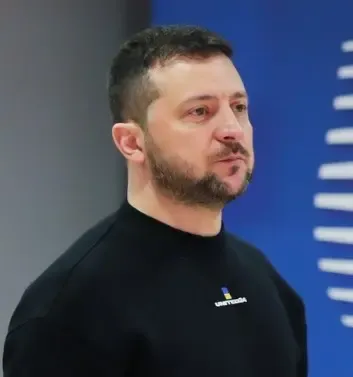
Ukrainian President Volodymyr Zelensky offered to halt certain strikes on condition that Russia stops targeting Ukraine's energy, critical infrastructure, and food supply routes.
US President Donald Trump claimed both sides had agreed to an energy infrastructure strike halt, posting the claim on Truth Social .
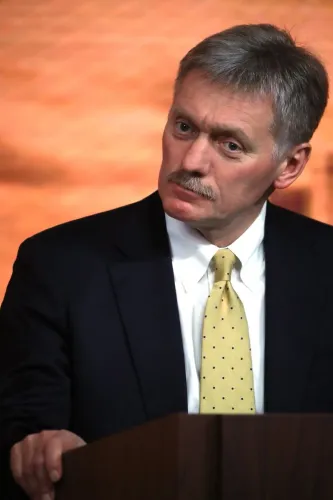
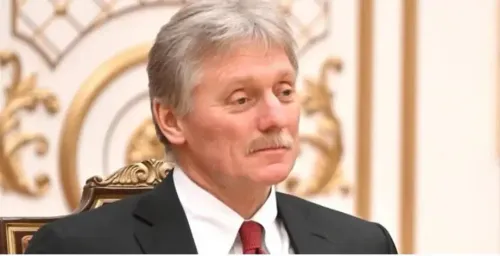
Kremlin Spokesman Dmitry Peskov welcomed international pressure on Kyiv to cease attacks on 'civilian economic infrastructure.'
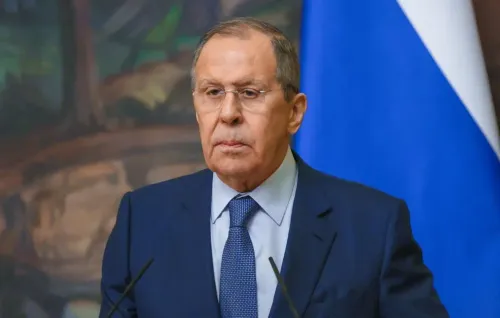
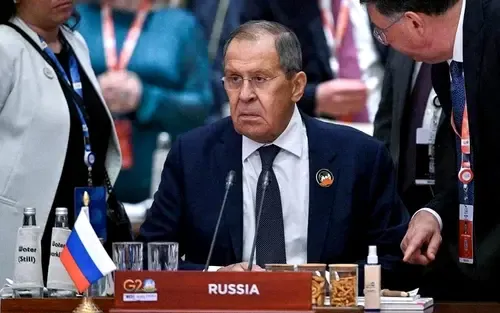
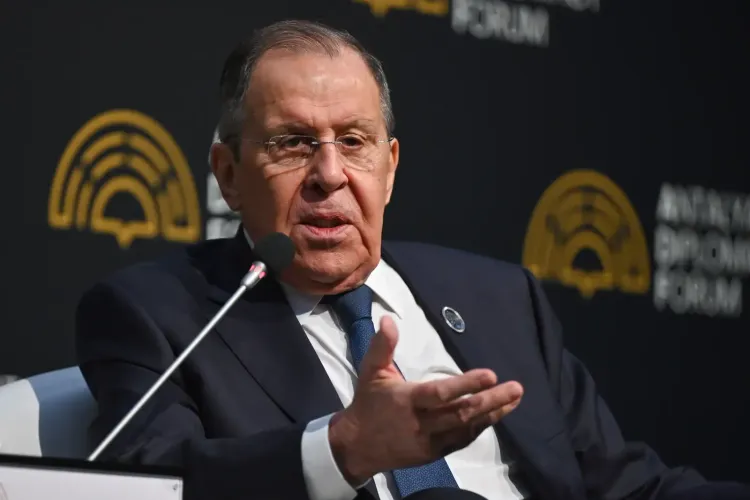
Russian Foreign Minister Sergey Lavrov on Tuesday, 15 September 2026, reaffirmed that Moscow is prepared to seek reasonable compromises on Ukraine, but has not shifted its core position on barring NATO from its borders. His remarks came during an ambassadorial roundtable focused on a Ukrainian settlement.
Russia's Red Line on NATO
'We are ready, within this position, to seek reasonable compromises, but fundamentally we have not changed our objectives — to ensure our security, to prevent NATO's presence on our borders,' Lavrov said at the roundtable. He added that Russia has never rejected negotiations and is prepared to engage in both bilateral and trilateral formats.
Moscow Welcomes US Role
Lavrov also welcomed Washington's interest in facilitating a settlement, saying, 'The main thing is that the United States understands the root causes of this conflict, unlike all other Western countries.' The remarks signal a continued attempt by Moscow to drive a wedge between the US and its European allies on the Ukraine question.
Zelensky's Conditional Ceasefire Offer
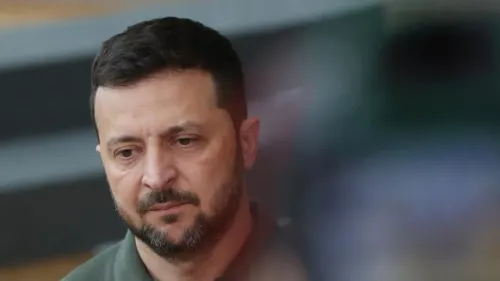
Ukrainian President Volodymyr Zelensky separately indicated on Monday that Kyiv is open to halting certain strikes if Russia reciprocates. 'If our partners are ready to ensure that Russia genuinely refrains from striking our electricity system, other energy facilities, critical infrastructure, and food supply routes, then, of course, we are ready to ensure a corresponding halt to our strikes,' Zelensky said in a post on X. He stressed that any partial ceasefire must be reliable, long-term, and extend beyond Russia's elections scheduled this month.
Trump Claims Energy Truce Deal
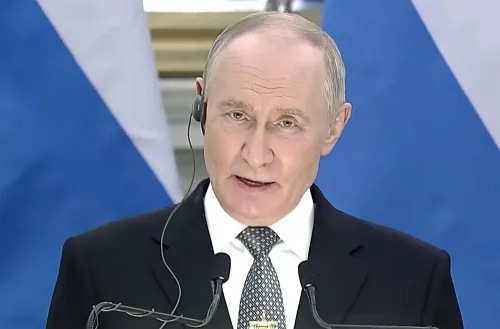
US President Donald Trump earlier claimed that both sides had already agreed to halt strikes on energy infrastructure, posting on Truth Social that Ukraine had agreed not to target Russian energy facilities and that 'Russia has agreed to do, likewise!' The Kremlin welcomed the US pressure on Kyiv. Kremlin Spokesman Dmitry Peskov said, 'Any call on Kyiv to stop attacks on civilian economic infrastructure can only be welcomed,' adding that nations capable of influencing Kyiv should encourage it to 'show greater flexibility.'
What This Means for Peace Prospects
The overlapping statements from Moscow, Kyiv, and Washington suggest tentative diplomatic movement, but the gap between the parties remains wide. Russia's insistence on NATO exclusion is a demand Kyiv and its Western backers have consistently rejected. Notably, Zelensky's conditional framing — tying any halt to verified Russian restraint — keeps Ukraine's leverage intact while allowing diplomatic space. Whether the energy infrastructure understanding holds, and whether it can expand into broader ceasefire talks, is the central question going forward.
Point of View
Rigidity on substance. The NATO red line has never moved, and framing it alongside an openness to compromise allows Moscow to appear constructive while conceding nothing structural. More telling is Trump's Truth Social post claiming an energy truce: unverified claims of bilateral agreement, posted before either side confirmed terms, have a history of collapsing on contact with reality. Zelensky's conditional framing — tying Kyiv's restraint to verified Russian behaviour — is tactically sound but deliberately difficult to operationalise. The real test is whether the energy infrastructure understanding, if genuine, can become a monitored mechanism rather than another statement that dissolves within days.
NationPress
16 Sept 2026
Frequently Asked Questions
What did Lavrov say about Russia-Ukraine peace talks?
Lavrov said Russia is prepared to seek 'reasonable compromises' on Ukraine and is open to both bilateral and trilateral negotiations, but has not changed its core demand of preventing NATO from establishing a presence on Russia's borders. He made the remarks at an ambassadorial roundtable on 15 September 2026.
What is Zelensky's condition for a ceasefire?
President Zelensky said Kyiv would halt certain strikes if Russia verifiably stops targeting Ukraine's electricity system, energy facilities, critical infrastructure, and food supply routes. He stressed that any such ceasefire must be reliable, long-term, and last beyond Russia's elections this month.
What did Trump claim about a Ukraine-Russia energy deal?
US President Donald Trump posted on Truth Social that Ukraine and Russia had agreed to halt strikes on each other's energy infrastructure, stating Ukraine would not strike Russian energy targets and that Russia had agreed to do likewise. Neither Kyiv nor Moscow has formally confirmed the terms of any such agreement.
How did the Kremlin respond to calls for Ukraine to stop energy strikes?
Kremlin Spokesman Dmitry Peskov welcomed any international pressure on Kyiv to stop attacks on 'civilian economic infrastructure,' calling such calls a 'significant contribution to the settlement process.'
Why does Russia insist on keeping NATO away from its borders?
Moscow argues that NATO's eastward expansion represents a direct security threat, a position Russia has held consistently since well before the current conflict. Lavrov reiterated on 15 September 2026 that ensuring this security guarantee is a fundamental objective that Russia will not negotiate away.