Bird flu confirmed in Tamil Nadu's Cuddalore; central team inspects farms
Synopsis
Bird flu has been confirmed in Tamil Nadu's Cuddalore district after broiler chickens died suddenly across multiple villages ahead of Deepavali. With central and NCDC teams now on the ground, a three-month poultry farming ban imposed, and residents warned to watch for respiratory symptoms, the outbreak has moved from a farm crisis to a monitored public health event.
Key Takeaways
Avian influenza has been officially confirmed in Cuddalore district , Tamil Nadu , following mass deaths of broiler chickens.
Affected areas include Nochikadu , Thammanampettai , Thimmaravuthankuppam , Kullanchavadi , and Kurinjipadi .
Dead birds were buried under biosafety protocols; remaining flock on affected farms has been culled.
A three-month ban on poultry farming has been imposed across the affected areas.
A central team and a National Centre for Disease Control (NCDC) team are providing technical guidance and reviewing containment measures.
Residents are advised to avoid burial sites and seek medical attention if they develop respiratory symptoms.
An outbreak of avian influenza (bird flu) has been officially confirmed in Cuddalore district, Tamil Nadu, triggering a rapid response from state and central health authorities following the mass death of broiler chickens across multiple villages. A central medical team is currently on the ground inspecting affected poultry farms and reviewing containment measures put in place by district officials.
How the Outbreak Unfolded
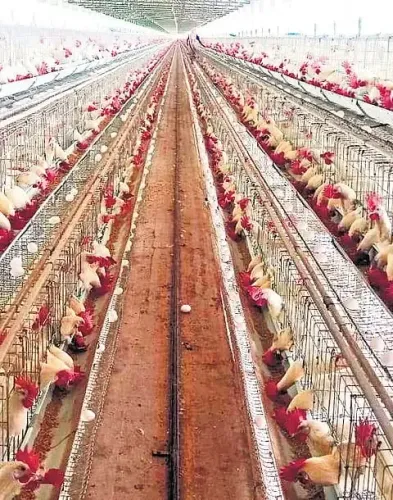
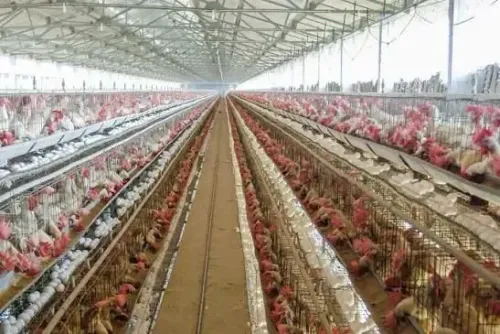
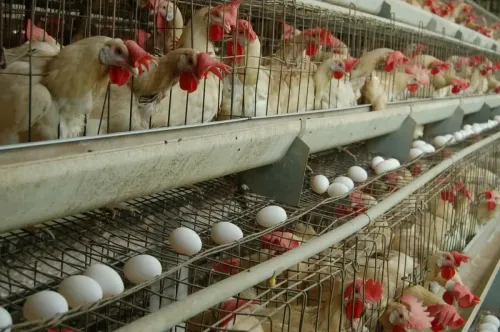
The first signs of trouble emerged at poultry farms in Nochikadu, Thammanampettai, Thimmaravuthankuppam, Kullanchavadi, Kurinjipadi, and surrounding areas. Farmers who had reared large numbers of broiler chickens ahead of the Deepavali festive season reported sudden, large-scale deaths among their flocks, raising immediate alarm about a possible contagious disease.
Officials from the Animal Husbandry Department conducted preliminary inspections and dispatched samples from the dead birds to laboratories in Namakkal and Chennai. Laboratory results subsequently confirmed the presence of avian influenza, setting containment protocols in motion.
Containment Measures Imposed
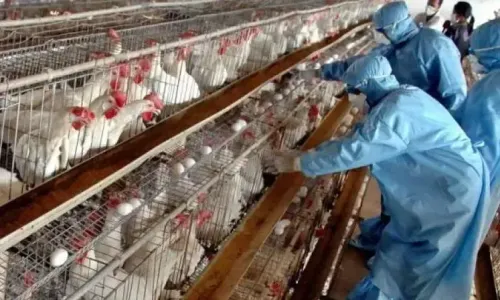
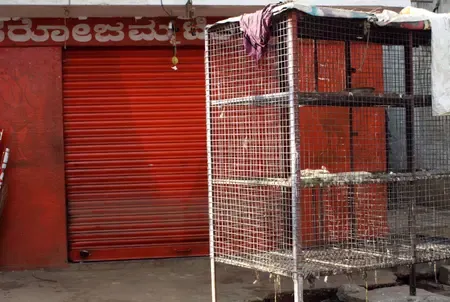
Authorities moved swiftly once the diagnosis was confirmed. Dead chickens were buried in specially prepared pits in accordance with biosafety protocols, and remaining birds on the affected farms were culled to prevent further spread. Officials also imposed restrictions on the purchase and rearing of new poultry birds in the region.
Notably, a three-month ban on poultry farming has been enforced across the affected areas — a measure that is likely to cause significant economic disruption for farmers who depend on the festive season for peak sales.
Central and NCDC Teams on the Ground
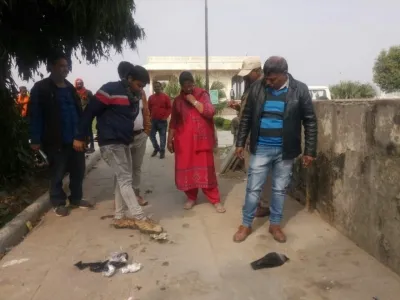
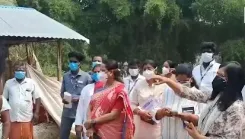
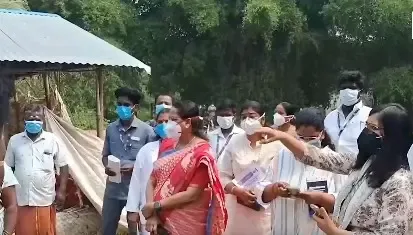
A central team visited the medical camp established at Kadiyakuppam and assessed the arrangements made by district health authorities before proceeding to inspect the affected farms directly. Separately, a team from the National Centre for Disease Control (NCDC) has extended technical guidance to district health officials, focusing on surveillance systems and measures to prevent any possible transmission of the virus from birds to humans.
This comes amid heightened global vigilance around avian influenza strains, with health agencies worldwide monitoring for signs of human-to-human transmission — a threshold that, if crossed, would dramatically escalate the public health risk.
Public Health Advisory and Surveillance
Residents in and around the affected villages have been advised to stay away from sites where infected chickens were buried. Anyone developing symptoms such as cough, cold, or other respiratory complaints is being urged to seek immediate medical attention. Health authorities are maintaining continuous surveillance, with particular focus on individuals who may have had direct contact with infected birds.
Officials have stated that monitoring and precautionary measures will remain in place until the risk of further spread is fully contained, with the situation continuing to be reviewed on a daily basis.
Point of View
Just ahead of Deepavali when poultry movement and sales peak, likely accelerated exposure. The three-month farming ban is a blunt but necessary instrument; the harder question is whether the compensation and livelihood support for affected farmers will follow at the same speed as the restrictions. NCDC's involvement signals that the Centre is treating this as a potential human-transmission risk, not merely an animal health incident — a calibration that deserves more public communication than authorities have offered so far.
NationPress
21 Nov 2026
Frequently Asked Questions
What caused the bird flu outbreak in Cuddalore, Tamil Nadu?
Avian influenza was confirmed in Cuddalore district after broiler chickens began dying suddenly in large numbers across farms in Nochikadu, Thammanampettai, Thimmaravuthankuppam, Kullanchavadi, Kurinjipadi, and neighbouring areas. Samples from dead birds sent to laboratories in Namakkal and Chennai tested positive for the virus.
What restrictions have been imposed in Cuddalore following the bird flu outbreak?
Authorities have imposed a three-month ban on poultry farming in the affected areas and restricted the purchase and rearing of new birds. Dead chickens have been buried in designated pits and surviving birds on affected farms have been culled to contain the spread.
Is there a risk of bird flu spreading to humans in Cuddalore?
Health authorities have not reported any confirmed human cases so far. However, a National Centre for Disease Control (NCDC) team is providing technical guidance on surveillance and prevention of human transmission. Residents who had contact with infected birds are being closely monitored.
What should residents near the affected areas do?
Residents have been advised to avoid visiting sites where infected chickens were buried and to seek immediate medical examination if they develop symptoms such as cough, cold, or other respiratory complaints. Continuous health surveillance is being maintained in the affected villages.
Which government agencies are responding to the Cuddalore bird flu outbreak?
The Animal Husbandry Department conducted initial inspections and sent samples for testing. A central medical team has since visited the district to review containment arrangements, and the National Centre for Disease Control (NCDC) is providing technical guidance to district health officials on surveillance and disease-control protocols.