Is Tamil Nadu Heightening Surveillance Along the Kerala Border Due to Bird Flu?
Synopsis
With the alarming rise of bird flu cases in Kerala, Tamil Nadu has ramped up its border surveillance to prevent the disease's spread. This proactive approach, including temporary bans on poultry transport and enhanced monitoring, underscores the critical efforts being made to protect public health and livestock.
Key Takeaways
Tamil Nadu is increasing border vigilance due to rising bird flu cases in Kerala .
Check posts have been set up to monitor poultry transport.
Temporary bans on live poultry and related products from Kerala have been enforced.
Strict biosecurity measures are crucial for farmers.
Reporting unusual bird illnesses can help contain outbreaks.
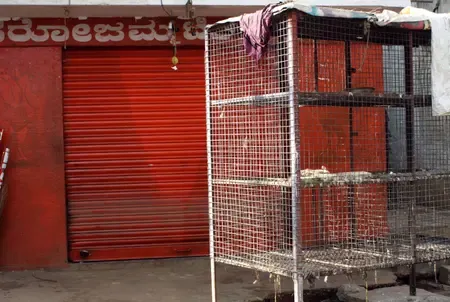
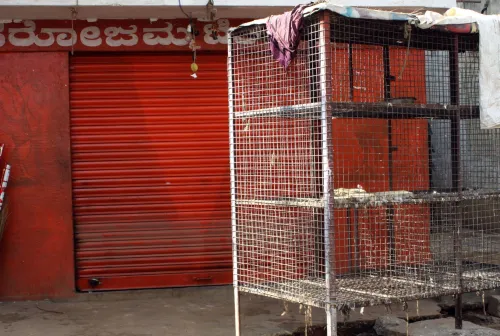
Chennai, Jan 1 (NationPress) As the number of avian influenza cases has surged in certain areas of Kerala, such as Alappuzha and Kottayam, the authorities in Tamil Nadu are stepping up vigilance along the border regions to prevent any potential outbreak in the state.
Enhanced oversight has been implemented, especially in the Nilgiris and Coimbatore districts, which have a lengthy and vulnerable border with Kerala.
Following instructions from the Animal Husbandry Department, special precautionary measures are being executed under the guidance of Joint Director Dr. Balakrishnan. To facilitate these initiatives, check posts have been established at Gudalur and Panthalur taluks in the Nilgiris district to monitor the transit of poultry and associated materials from Kerala.
According to Nilgiris District Collector Lakshmi Bhavya, the movement of live poultry, eggs, poultry waste, and other related items from Kerala into the district has been temporarily prohibited as a preventive action.
This measure was taken in response to the rising instances of bird flu detected in adjacent districts of Kerala and the accompanying risk of transmission to Tamil Nadu.
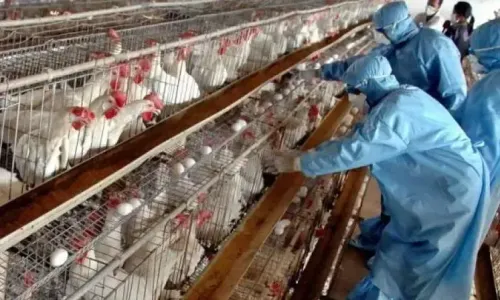
To ensure rigorous enforcement, specialized surveillance teams have been stationed at eight check posts along the Kerala border and one along the Karnataka border. Each team consists of a veterinary assistant, a veterinary inspector, and a livestock maintenance assistant, collaborating closely with the police, forest, and revenue departments.
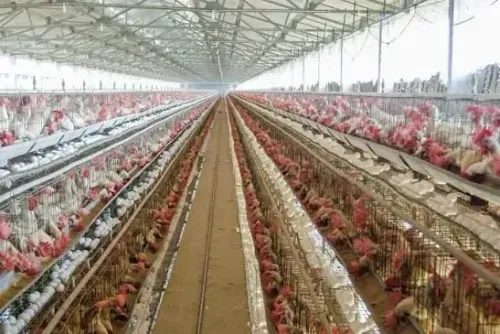
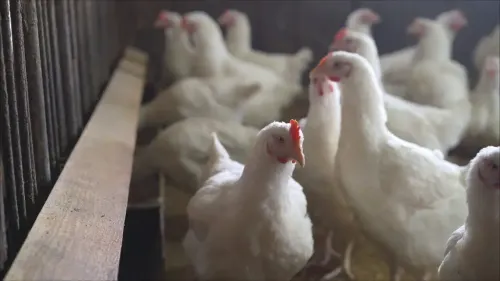
Officials warn that avian influenza poses a threat not only to domestic fowl, such as chickens, ducks, and turkeys but can also be transmitted by wild and migratory birds. There is a possible risk of transmission to humans, making early detection and preventive actions crucial.
Authorities have urged poultry farmers to strictly observe biosecurity measures. Farmers are advised to prevent wild birds from accessing poultry farms, avoid mixing different bird species, limit outsider and vehicle access to farm premises, and refrain from sharing farming equipment.
Disinfection of farm tools and equipment at least twice monthly is now mandatory. Farmers are also encouraged to promptly report any unusual illnesses or sudden deaths among birds to the nearest veterinary assistant or animal husbandry office, facilitating swift containment actions to curb the spread of avian influenza.
Point of View
The increasing threat of avian influenza in neighboring Kerala necessitates immediate action from Tamil Nadu officials. Their proactive measures of heightened surveillance and strict transport bans aim to safeguard both public health and the agricultural economy, reflecting a commitment to responsible governance.
NationPress
25 Sept 2026
Frequently Asked Questions
What measures is Tamil Nadu taking against bird flu?
Tamil Nadu has intensified border surveillance and temporarily banned the transport of live poultry and related products from Kerala.
Why is there heightened vigilance along the Tamil Nadu-Kerala border?
The rise in bird flu cases in Kerala has prompted Tamil Nadu authorities to take preventive measures against potential outbreaks.
What is avian influenza?
Avian influenza, commonly known as bird flu, is a viral infection that can infect various bird species and may pose risks to human health.
How can poultry farmers protect their flocks?
Farmers are advised to implement strict biosecurity measures, report unusual illnesses, and disinfect their equipment regularly.
What should farmers do if they observe unusual bird deaths?
Farmers should immediately report any unusual illnesses or sudden deaths among their birds to the nearest veterinary assistant.