H5N1 bird flu: Tamil Nadu culls 40,000 chickens in Cuddalore outbreak
Synopsis
Tamil Nadu is battling an active H5N1 bird flu outbreak in Cuddalore — 40,000 chickens culled, a three-month broiler farming ban imposed, and Vandalur Zoo already shuttered weeks earlier. With Namakkal, India's egg production hub, now under heightened watch, the economic and public health stakes are rising fast.
Key Takeaways
H5N1 avian influenza confirmed in poultry farms near Kurinjipadi, Cuddalore district , Tamil Nadu.
Approximately 40,000 chickens culled as part of containment operations.
A three-month ban on broiler chicken rearing imposed in the affected area.
No human cases of bird flu detected in Tamil Nadu so far, according to Director of Public Health Dr Somasundaram .
Namakkal , Tamil Nadu's major egg production centre, placed under heightened surveillance.
The outbreak follows the earlier closure of Chennai's Vandalur Zoo after avian influenza was detected among captive birds.
Tamil Nadu has sharply intensified its bird flu surveillance after laboratory tests confirmed H5N1 avian influenza infection in poultry farms in Cuddalore district, prompting authorities to cull approximately 40,000 chickens and impose a three-month ban on broiler chicken rearing in the affected zones. No human cases have been detected in the state so far, officials said on 16 November 2026.
How the Outbreak Was Detected
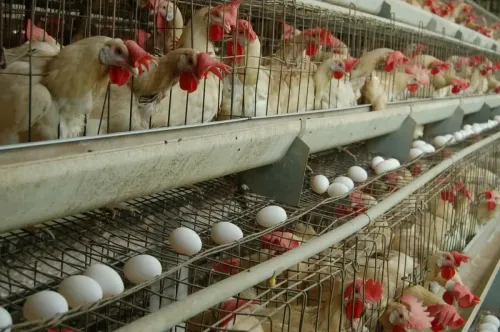
The trigger was the deaths of chickens at farms near Kurinjipadi in Cuddalore district. Samples collected from the site were dispatched to the national reference laboratory in Bhopal, Madhya Pradesh, which returned a positive result for the H5N1 strain of avian influenza. Following confirmation, containment operations were launched without delay.
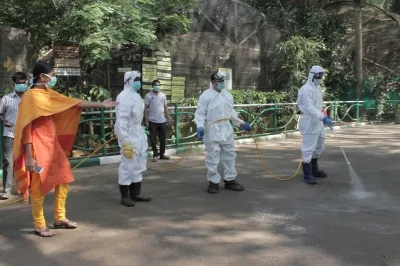
Notably, the Cuddalore outbreak comes weeks after Chennai's Vandalur Zoo was shut down following the detection of avian influenza among captive birds — signalling that the virus is active across multiple settings in the state, from wildlife enclosures to commercial poultry operations.
Containment Measures Underway
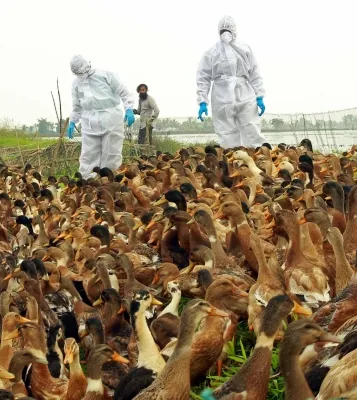
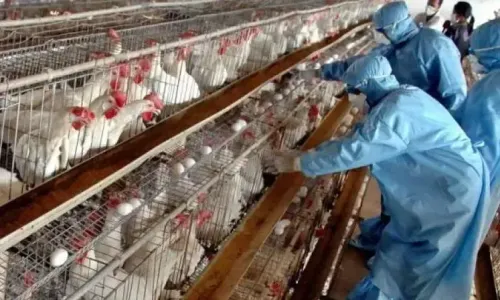
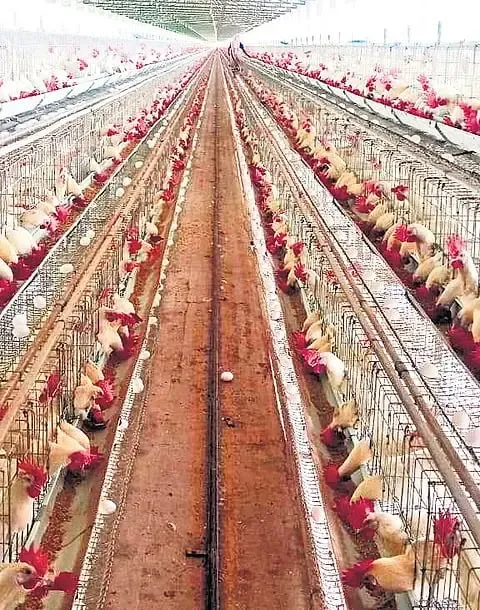
Approximately 40,000 farm chickens in the Kurinjipadi area have been culled as part of the containment drive. A three-month ban on broiler chicken rearing has been imposed in the affected locality. Authorities have also strengthened surveillance in Namakkal, Tamil Nadu's largest egg production centre, to guard against any potential spread through the commercial poultry supply chain.
Director of Public Health Dr Somasundaram has directed officials across all districts to reinforce monitoring and preventive protocols. The health department is implementing statewide measures to limit exposure and enable early detection of any new infections.
Public Health Advisory
Dr Somasundaram urged residents to remain vigilant without panicking, stressing that the absence of human cases should not lead to complacency. He advised the public against handling sick or dead birds with bare hands and asked anyone developing symptoms — including fever, headache, muscle pain, cough, or breathing difficulties — to seek medical attention promptly, particularly if they have had recent contact with poultry.
On food safety, he advised consumers to eat only thoroughly cooked chicken and to avoid undercooked meat, noting that proper cooking destroys the avian influenza virus. Safe handling practices during food preparation were also emphasised to prevent contamination.
Background and Broader Risk
Bird flu primarily affects birds, but the H5N1 strain can occasionally infect humans through close, unprotected contact with infected birds, their secretions or droppings, or contaminated environments. People who handle sick or dead poultry are at the highest risk and require particular caution. The virus does not spread easily between humans, but health authorities worldwide treat each outbreak as a situation requiring swift containment given H5N1's historically high fatality rate in confirmed human cases.
India has experienced localised H5N1 outbreaks in poultry before, and the standard response — rapid culling, movement restrictions, and heightened surveillance — mirrors protocols established during past episodes. With Tamil Nadu's poultry sector among the country's largest, the economic stakes of an expanding outbreak are significant alongside the public health dimension.
What Happens Next
Health officials say statewide surveillance will remain elevated until the outbreak is declared contained. All districts have been put on alert, and further testing of bird deaths in neighbouring areas is reportedly under way. The public has been asked to report unusual bird deaths to local authorities without delay.
Point of View
One in commercial farms in Cuddalore — suggest the virus has found multiple footholds in Tamil Nadu rather than a single contained cluster. The decision to put Namakkal under surveillance is the right call, but it also signals that authorities are aware the risk of spread through the supply chain is real. What is missing from the public communication so far is a clear timeline for the culling zone's re-opening and a compensation framework for affected farmers — gaps that, if left unaddressed, could discourage early reporting of future bird deaths and undermine the very surveillance the state is trying to strengthen.
NationPress
16 Nov 2026
Frequently Asked Questions
What is the H5N1 bird flu outbreak in Tamil Nadu?
Tamil Nadu has confirmed H5N1 avian influenza infection in poultry farms near Kurinjipadi in Cuddalore district, following the deaths of farm chickens. Samples tested positive at the national laboratory in Bhopal, triggering a culling and containment operation.
How many chickens have been culled in the Tamil Nadu bird flu outbreak?
Approximately 40,000 chickens have been culled in the Kurinjipadi area of Cuddalore district as part of the containment response. A three-month ban on broiler chicken rearing has also been imposed in the affected zone.
Are there any human cases of bird flu in Tamil Nadu?
No human cases of H5N1 bird flu have been detected in Tamil Nadu so far, according to Director of Public Health Dr Somasundaram. However, authorities have urged residents — especially those handling poultry — to remain vigilant and seek medical attention if they develop fever, cough, or breathing difficulties.
Is it safe to eat chicken during the Tamil Nadu bird flu outbreak?
Yes, thoroughly cooked chicken is safe to eat, as proper cooking destroys the avian influenza virus. Authorities have advised consumers to avoid undercooked meat and to follow safe food-handling practices during preparation.
Why was Vandalur Zoo in Chennai closed ahead of this outbreak?
Chennai's Vandalur Zoo was closed weeks before the Cuddalore outbreak after avian influenza was detected among some captive birds housed there. The two incidents together indicate that H5N1 is circulating in Tamil Nadu across both wildlife and commercial poultry settings.