Bird Flu Contained in Bengaluru: Zero Human H5N1 Cases After 10-Day Drive
Synopsis
Karnataka's Health Department has confirmed the H5N1 bird flu outbreak at Bengaluru's Hesaraghatta poultry centre is fully contained after a 10-day drive covering 28,172 people across 22 villages — with zero human infections detected. But tenth-day test results are still pending, and the site stays shut for 90 days.
Key Takeaways
H5N1 bird flu outbreak at a government poultry training centre in Hesaraghatta, Bengaluru , first detected on April 14, 2025 , has been officially contained.
Zero human cases of H5N1 infection detected across the infected and surveillance zones; fifth-day staff samples tested negative at NIV Bengaluru .
A total of 28,172 people across 22 villages within a 10-km radius were monitored over a 10-day surveillance period .
All birds at the affected centre were culled ; a sanitisation certificate was issued on April 21 ; poultry activities suspended for 90 days .
Hospitals in Bengaluru directed to maintain stocks of oseltamivir, PPE, triple-layer masks , and swab kits for ongoing ILI and SARI surveillance.
Results of tenth-day samples sent to NIV are still awaited — authorities urge continued public vigilance and adherence to official advisories.
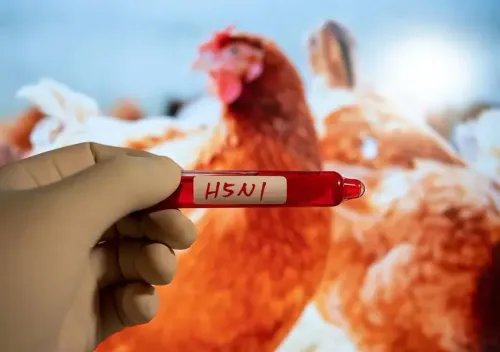
The Karnataka Health Department on Saturday, April 25, confirmed that the H5N1 avian influenza (bird flu) outbreak at a government poultry training centre in Hesaraghatta, near Bengaluru, has been fully contained following a rigorous 10-day intensive surveillance operation. Critically, no human cases of H5N1 infection have been detected in either the infected or surveillance zones, offering significant relief to residents of the region.
How the Outbreak Was First Detected
The H5N1 bird flu outbreak was first identified on April 14 at the government poultry training centre located in Mathkuru village, Hesaraghatta. The diagnosis was subsequently confirmed through laboratory analysis conducted by the National Institute of High Security Animal Diseases (NIHSAD), Bhopal — India's apex institution for high-security animal disease diagnostics.
Upon confirmation, the state government moved swiftly. State and District Rapid Response Teams, along with health teams from Hesaraghatta and Sonnenahalli Primary Health Centres, were immediately deployed to the site to contain the spread of the virus.
Containment Measures and Surveillance Zones
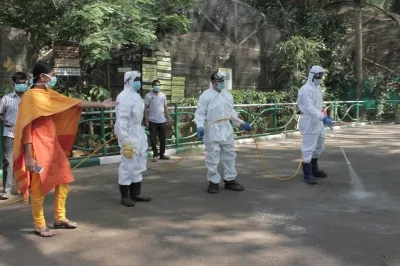
Authorities demarcated an infected zone spanning a 0–3 km radius and a broader surveillance zone covering 3–10 km around the outbreak site. The Department of Animal Husbandry and Veterinary Services undertook the culling of all birds at the affected centre and ensured the safe disposal of eggs and contaminated feed strictly in accordance with prescribed biosecurity protocols.
A total of 28,172 people across 22 villages within the 10-km surveillance zone were monitored over the 10-day period. Multiple rounds of surveillance, sanitation, and public health awareness activities were conducted as per standard national guidelines for avian influenza containment.
Nasopharyngeal samples collected from quarantined staff on the fifth day of surveillance were sent to the National Institute of Virology (NIV), Bengaluru, and returned negative for H5N1. Additional samples collected on the tenth day have been dispatched for testing, with results still awaited.
Hospital Preparedness and Health Advisories
The Karnataka Health Department has directed all healthcare facilities across Bengaluru to continue active surveillance for cases of Influenza-Like Illness (ILI) and Severe Acute Respiratory Infection (SARI). Hospitals have been instructed to maintain adequate stocks of personal protective equipment (PPE), triple-layer medical masks, antiviral drugs including oseltamivir (Tamiflu), viral transport media, and throat swab kits.
The Department of Animal Husbandry and Veterinary Services issued a formal sanitisation certificate for the affected area on April 21. As a precautionary measure, all poultry-related activities at the Hesaraghatta centre will remain suspended for 90 days. The premises will undergo periodic disinfection every 15 days — fumigation indoors and chemical spraying in open areas.
Public Advisory and Government Guidance
The government has issued a public advisory urging citizens to avoid handling or consuming meat or eggs from sick or dead poultry and to immediately report any sightings of such birds to local veterinary or health authorities. Officials have also emphasised that thoroughly cooking poultry products effectively neutralises the H5N1 virus, making properly cooked food safe for consumption.
Authorities have appealed to the public to rely only on official health advisories and to refrain from spreading unverified information or panic on social media platforms.
Broader Context: India's Vulnerability to Avian Influenza
This outbreak is a stark reminder of India's recurring vulnerability to zoonotic disease spillovers — illnesses that jump from animals to humans. India has witnessed multiple bird flu outbreaks over the past decade, with significant episodes recorded in Kerala, Rajasthan, Madhya Pradesh, and Maharashtra. The 2021 pan-India bird flu scare led to mass culling of lakhs of birds and temporary bans on poultry trade across several states.
Notably, while H5N1 has a mortality rate of over 50% in confirmed human cases globally according to the World Health Organization (WHO), sustained human-to-human transmission has not been established — which is why swift containment at the animal-human interface is critical. The speed of Karnataka's response this time — confirmed detection to containment certificate in just 7 days (April 14 to April 21) — reflects an improved state-level public health infrastructure compared to earlier outbreaks.
However, critics and public health experts argue that India's poultry sector, particularly government-run training centres, often lacks robust biosecurity infrastructure, making them potential hotspots for disease emergence. The fact that the outbreak originated at a government facility rather than a private farm raises pointed questions about the adequacy of routine biosecurity audits at state-run agricultural institutions.
With results of the tenth-day samples still pending, authorities have urged continued vigilance. The 90-day suspension of activities at the Hesaraghatta centre and fortnightly disinfection cycles will be the key metrics to watch in the weeks ahead.
Point of View
Exposing chronic gaps in biosecurity at state agricultural institutions. India has battled recurring avian influenza scares for over a decade, yet routine audits of government facilities remain inconsistent. With H5N1's global mortality rate exceeding 50% in confirmed human cases, the zero-infection outcome here is fortunate — not guaranteed. The pending tenth-day test results must be treated as the final word, not a formality.
NationPress
3 Oct 2026
Frequently Asked Questions
Has bird flu been contained in Bengaluru in 2025?
Yes. The Karnataka Health Department confirmed on April 25, 2025, that the H5N1 bird flu outbreak at Hesaraghatta near Bengaluru has been successfully contained after a 10-day surveillance operation. No human cases of H5N1 have been detected so far.
Were any humans infected by bird flu in Hesaraghatta, Bengaluru?
No human infections have been detected. Nasopharyngeal samples collected from quarantined staff on the fifth day of surveillance tested negative for H5N1 at the National Institute of Virology, Bengaluru. Results of samples collected on the tenth day are still awaited.
What actions were taken to contain the bird flu outbreak in Karnataka?
Authorities established a 0–3 km infected zone and a 3–10 km surveillance zone, culled all birds at the affected centre, and monitored 28,172 people across 22 villages. A sanitisation certificate was issued on April 21, and poultry activities at the site are suspended for 90 days.
Is it safe to eat chicken and eggs in Bengaluru after the bird flu outbreak?
Yes, properly cooked poultry products are safe. Karnataka health authorities have confirmed that thoroughly cooking chicken and eggs effectively neutralises the H5N1 virus. Citizens are advised to avoid consuming meat or eggs from sick or dead birds.
Where exactly did the Bengaluru bird flu outbreak occur?
The outbreak occurred at a government poultry training centre in Mathkuru village, Hesaraghatta, near Bengaluru. It was first detected on April 14, 2025, and confirmed by the National Institute of High Security Animal Diseases (NIHSAD) in Bhopal.