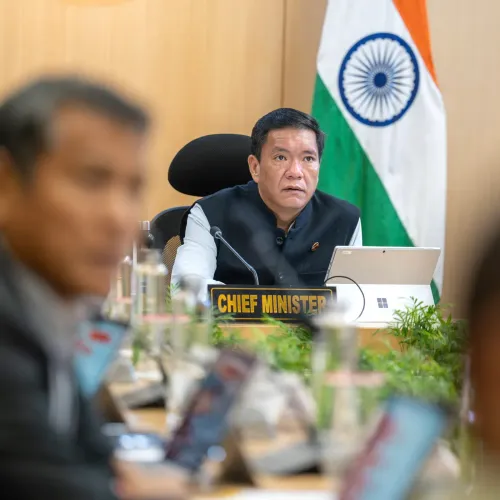
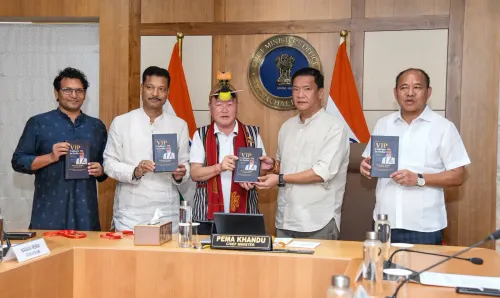
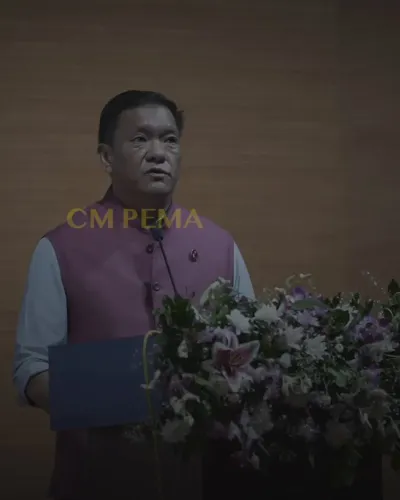
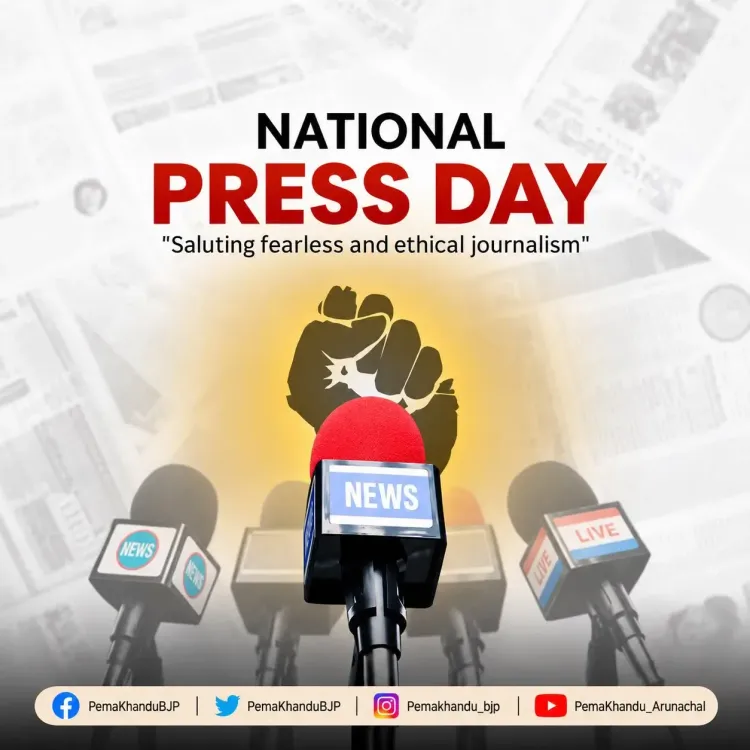
CM Pema Khandu salutes press freedom on National Press Day
Synopsis
On National Press Day 2026, Arunachal Pradesh Chief Minister Pema Khandu saluted journalists and reaffirmed commitment to press freedom, media independence, and an environment free from fear and undue influence.
Key Takeaways
National Press Day is observed every year on 16 November , marking the founding of the Press Council of India in 1966 .
CM Pema Khandu publicly reaffirmed commitment to press freedom and media independence on 16 November 2026 .
Khandu emphasised that journalists must be able to work 'without fear, favour or undue influence.' Press freedom in India derives its constitutional basis from Article 19(1)(a) of the Indian Constitution.
The post carries no new policy announcement — it is a tribute aligned with the annual national observance.
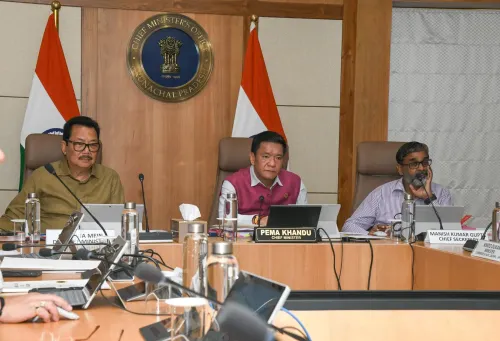
On a day that belongs to every journalist who has ever chased a story into uncomfortable territory, Arunachal Pradesh Chief Minister Pema Khandu marked National Press Day, 16 November 2026, with a call to protect the independence that makes the press worth celebrating.
Khandu's message was direct: 'A free and independent media is essential to a healthy democracy.' He reaffirmed commitment to 'respecting the freedom of the press, safeguarding media independence and fostering an environment where journalists can work without fear, favour or undue influence' — language that leans into constitutional principle rather than ceremony.
Why November 16 carries weight for Indian journalism
National Press Day marks the founding of the Press Council of India on 16 November 1966 — a statutory body created to preserve press freedom while maintaining journalistic standards. The day has since become an annual moment for institutions, governments, and civil society to publicly restate their position on media independence. Across India, leaders at the central and state level use the occasion to signal — however briefly — where they stand on the press-democracy compact. Khandu's framing echoes the constitutional guarantee enshrined in Article 19(1)(a) of the Indian Constitution, which protects freedom of speech and expression — the bedrock from which press freedom in India derives its legal force.A routine tribute carrying an evergreen reminder
The post makes no new policy announcement, launches no scheme, and names no initiative. It is, by design, a tribute — warm, principled, and firmly within the tradition of how Indian political leaders observe the day. Yet the words 'without fear, favour or undue influence' are not throwaway; they form the standard by which press freedom advocates measure the gap between political rhetoric and ground reality for working journalists. For Arunachal Pradesh, a border state where information access and media reach can be logistically challenging, the Chief Minister's public reaffirmation of these values carries its own regional resonance.Point of View
Favour or undue influence,' which advocates use as a benchmark against actual conditions for journalists on the ground. For a BJP chief minister, publicly invoking media independence on a nationally observed day reinforces the party's official position on constitutional freedoms, even as the broader national discourse on press freedom remains contested. The statement's value will ultimately be measured less by its words and more by the working conditions it reflects in Arunachal Pradesh.
NationPress
16 Nov 2026
Frequently Asked Questions
What is National Press Day and why is it celebrated on 16 November?
National Press Day is observed every year on 16 November to mark the day the Press Council of India was established in 1966 . The Council was set up to uphold press freedom and maintain journalistic standards across India.
What did Pema Khandu say on National Press Day 2026?
Pema Khandu saluted journalists for 'bringing truth to light' and reaffirmed commitment to 'safeguarding media independence and fostering an environment where journalists can work without fear, favour or undue influence.'
What is the constitutional basis for press freedom in India?
Press freedom in India is derived from Article 19(1)(a) of the Indian Constitution, which guarantees the right to freedom of speech and expression to all citizens.
What is the Press Council of India?
The Press Council of India is a statutory body established on 16 November 1966 to preserve press freedom and maintain and improve the standards of newspapers and the news agencies in India.