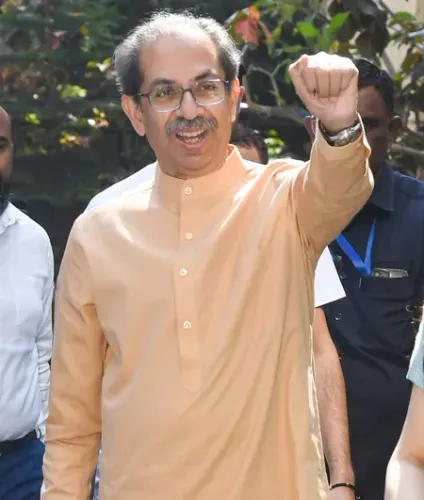
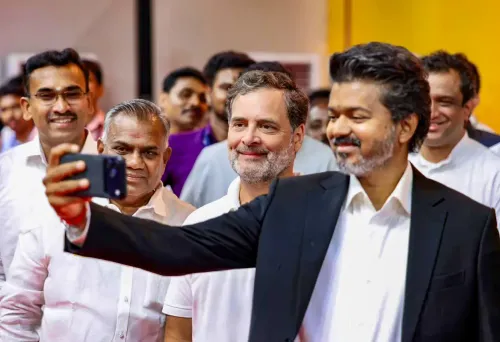
Shiv Sena (UBT) questions phone tapping legality, cites Telegraph and Telecom Acts
Synopsis
Shiv Sena (UBT) has invoked specific clauses of the Telegraph Act and the Telecom Act 2023 to argue that any surveillance of opposition leaders by the Modi government is not just unconstitutional but criminal. The editorial escalates the phone-tapping row by claiming even ruling-side leaders like Yogi Adityanath and Devendra Fadnavis may be targets — a claim that, if substantiated, would reshape the political narrative entirely.
Key Takeaways
Shiv Sena (UBT) published an editorial in Samaana on 16 November attacking PM Modi and Home Minister Amit Shah over alleged illegal phone tapping.
The party cited Section 5(2) of the Indian Telegraph Act, 1885 and Section 20 of the Telecommunication Act, 2023 , arguing interception of political opponents is legally impermissible.
The editorial referenced Rahul Gandhi's claims that authorities are attempting to monitor and erase evidence on his phone.
It alleged that surveillance may extend to ruling-side figures including CM Yogi Adityanath , CM Devendra Fadnavis , and Defence Minister Rajnath Singh .
The editorial drew a parallel between the alleged practices and the electoral downfall of former Israeli PM Benjamin Netanyahu , invoking the Pegasus spyware controversy.
The party warned that authoritarian surveillance could erode public trust and trigger mass political unrest.
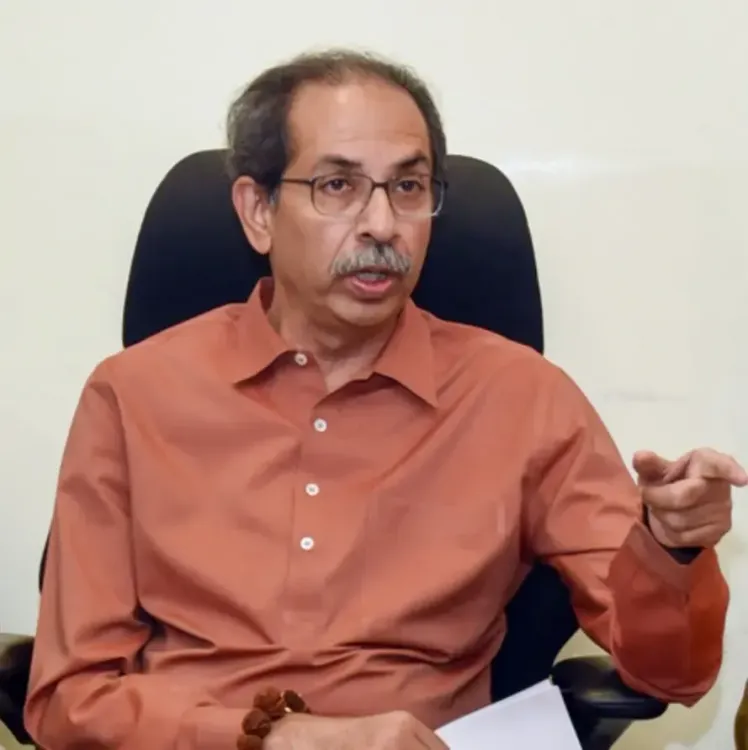
Shiv Sena (Uddhav Balasaheb Thackeray) on Monday, 16 November launched a sharp attack on Prime Minister Narendra Modi and Home Minister Amit Shah over allegations of illegal phone tapping, calling the purported practice an 'assault' on Indian democracy. The party's broadside came through an editorial in its official mouthpiece, 'Samaana', invoking specific legal provisions under Indian telecommunications law to argue that any surveillance targeting political opponents would be a criminal offence.
The Legal Argument
The editorial cited Section 5(2) of the Indian Telegraph Act, 1885, and Section 20 of the Telecommunication Act, 2023, arguing that lawful interception by central or state home secretaries is strictly confined to cases involving national security threats, sovereignty concerns, or public emergencies. The Thackeray camp contended that none of these conditions apply to political opponents, making any alleged monitoring of opposition leaders legally indefensible.
The editorial drew on recent claims by Rahul Gandhi, Leader of Opposition in the Lok Sabha, who reportedly alleged that incriminating evidence against PM Modi is stored on his phone and that authorities are attempting to access or erase it. The editorial framed these allegations as central to its case against the current administration.
Who May Be Under Watch, According to Samaana
The Thackeray camp went further, suggesting that alleged surveillance under the present government is not limited to opposition figures. The editorial claimed that prominent leaders within the ruling establishment — including Uttar Pradesh Chief Minister Yogi Adityanath, Maharashtra Chief Minister Devendra Fadnavis, Defence Minister Rajnath Singh, and senior military officers — may also be targets of such monitoring, though it provided no independent corroboration for these claims.
The Pegasus Reference and the Netanyahu Parallel
Recalling the controversy surrounding the Israeli-developed Pegasus spyware, reportedly introduced during PM Modi's tenure, the editorial drew a pointed parallel to the political fate of former Israeli Prime Minister Benjamin Netanyahu. It argued that just as Netanyahu faced electoral defeat after allegedly targeting political rivals, similar political dynamics signal an impending reversal of fortune for India's current central leadership — and cited Rahul Gandhi as the figure poised to benefit.
Notably, this is not the first time Pegasus has featured in Indian political discourse. The spyware scandal first emerged in India in 2021, triggering parliamentary disruptions and demands for a Supreme Court-monitored probe, which the apex court later ordered.
Maharashtra's Past Controversies Revisited
The editorial also revisited older political battles in Maharashtra, accusing Devendra Fadnavis of deploying state police machinery and senior Director General of Police (DGP) officials — allegedly sent to Israel for phone-tapping training — to surveil political rivals and journalists during previous regime transitions. These are allegations Fadnavis has not publicly addressed in the context of this editorial, and they remain contested.
The Warning
Concluding with a stark warning, the Uddhav Thackeray-led party stated that if constitutional frameworks and democratic norms are subverted through what it described as 'authoritarian surveillance', public trust in governance would collapse. The editorial suggested this could ultimately drive citizens to the streets to overthrow what it termed a 'corrupt and tyrannical government'.
The BJP has not issued an immediate response to the Samaana editorial. As political temperatures rise ahead of ongoing state-level electoral cycles, the phone-tapping row is expected to remain a flashpoint in the Opposition's campaign narrative against the Centre.
Point of View
Invoking specific statutory provisions that set a narrow bar for lawful interception. By naming ruling-side figures like Yogi Adityanath and Devendra Fadnavis as alleged surveillance targets, Shiv Sena (UBT) attempts to split the narrative from a partisan skirmish into a systemic governance concern. The Netanyahu parallel is rhetorically sharp but vulnerable to scrutiny: Netanyahu's troubles stemmed from criminal indictment, not phone-tapping alone. What the editorial does not address is whether the Thackeray camp has independent evidence for its claims beyond Rahul Gandhi's public statements — a gap the BJP will likely exploit. The deeper question the article raises, but does not answer, is whether India's existing interception oversight framework is adequate, a debate that the Pegasus Supreme Court probe left unresolved.
NationPress
16 Nov 2026
Frequently Asked Questions
What is the phone tapping controversy that Shiv Sena (UBT) is referring to?
Shiv Sena (UBT) is referring to allegations made by Rahul Gandhi, Leader of Opposition in the Lok Sabha, who reportedly claimed that authorities are attempting to monitor and erase incriminating evidence on his phone. The party's editorial in Samaana used these allegations to accuse PM Modi and Home Minister Amit Shah of running an illegal surveillance operation against political opponents.
What do the Indian Telegraph Act and Telecom Act say about phone interception?
Under Section 5(2) of the Indian Telegraph Act, 1885, and Section 20 of the Telecommunication Act, 2023, lawful interception by central or state home secretaries is restricted to situations involving national security, sovereignty, or public emergencies. The Shiv Sena (UBT) editorial argues that targeting political opponents does not meet any of these criteria, making any such surveillance a criminal offence.
Why did the Samaana editorial mention Pegasus spyware?
The editorial recalled the controversy over Israeli-developed Pegasus spyware, which was reportedly used during PM Modi's tenure and first became a major political issue in India in 2021. The party drew a parallel to this episode to argue that surveillance of opponents is a pattern, not an isolated incident.
Who else does Shiv Sena (UBT) claim may have been surveilled?
The Samaana editorial claimed, without independent corroboration, that alleged surveillance may extend beyond the Opposition to include ruling-side figures such as UP CM Yogi Adityanath, Maharashtra CM Devendra Fadnavis, Defence Minister Rajnath Singh, and senior military officers.
What warning did Shiv Sena (UBT) issue in the editorial?
The party warned that if constitutional frameworks are subverted through authoritarian surveillance, public trust in governance would collapse, potentially driving citizens to the streets to remove what it called a 'corrupt and tyrannical government'. The BJP had not issued a formal response to the editorial at the time of publication.