Bird flu confirmed at Vandalur Zoo; Chennai park shuts for 2 days
Synopsis
H5N1 avian influenza has been confirmed among aquatic birds at Chennai's Arignar Anna Zoological Park in Vandalur — one of India's largest zoos at 1,260 acres — forcing a two-day public closure and an emergency disinfection drive. The virus was identified by the National Institute of High Security Animal Diseases in Bhopal, though the number of birds affected and any deaths remain undisclosed.
Key Takeaways
H5N1 avian influenza has been confirmed among aquatic birds at the Arignar Anna Zoological Park, Vandalur , Chennai .
The zoo is closed to all visitors on Thursday, 23 October and Friday, 24 October 2026 .
Confirmation came from the National Institute of High Security Animal Diseases in Bhopal, Madhya Pradesh .
Authorities have launched a disinfection drive and tightened biosecurity; the number of birds affected has not been disclosed.
The zoo spans 1,260 acres and houses more than 150 species , drawing several lakh visitors each year.
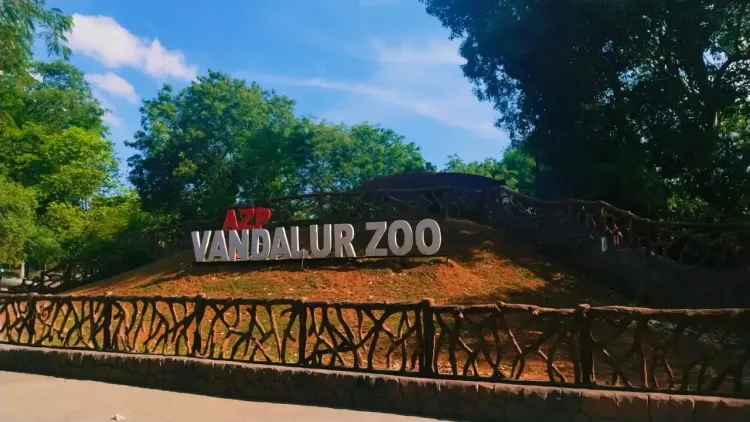
The Arignar Anna Zoological Park in Vandalur, on the outskirts of Chennai, has suspended public entry for two days — Thursday and Friday — after H5N1 avian influenza was confirmed among its aquatic birds, triggering an immediate disinfection drive and tighter biosecurity protocols. The closure affects the entire park, not merely the bird enclosures.
How the Infection Was Confirmed
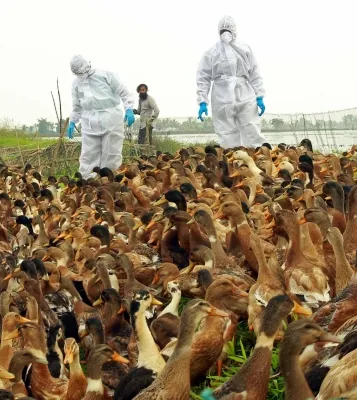
The presence of the H5N1 virus was established through laboratory analysis by the National Institute of High Security Animal Diseases in Bhopal, Madhya Pradesh. The institute's findings confirmed that aquatic birds housed at the zoo had contracted the virus responsible for bird flu. Authorities have not disclosed how many birds tested positive or whether any died, and no details about the sampling procedure have been made public.
Containment Steps Under Way
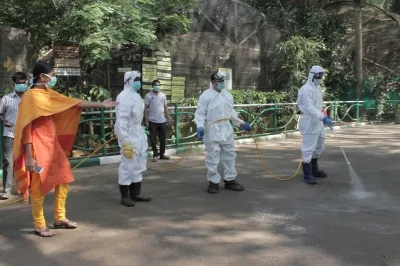
Following confirmation, zoo authorities initiated thorough cleaning and disinfection of all bird-housing areas. Biosecurity measures across the park have been intensified to prevent the infection from spreading to other animals or beyond the zoo's perimeter. The administration has indicated that the two-day visitor ban is part of this broader containment effort.
Scale of the Affected Facility
Spread across approximately 1,260 acres, the Vandalur Zoo is one of Chennai's largest recreational destinations, drawing several lakh visitors annually. It houses thousands of animals and birds spanning more than 150 species, including lions, tigers, crocodiles, snakes, and tortoises. The zoo's lion and tiger viewing from protected vehicles is among its signature attractions.
What Visitors Should Know
The park will remain closed to the public on Thursday, 23 October 2026, and Friday, 24 October 2026. Visitors with plans to visit on either day are advised to defer. No timeline has been given for resuming normal operations beyond the initial two-day window, and authorities are expected to reassess based on the progress of disinfection and biosecurity work.
This comes as avian influenza outbreaks have periodically affected zoos and bird populations across India, underscoring the need for robust surveillance at wildlife facilities. The zoo administration's rapid response — from laboratory confirmation to public closure and disinfection — follows the standard protocol prescribed for H5N1 detections at captive animal facilities.
Point of View
But the information gap is striking — no count of infected birds, no mortality data, no details on how the infection was detected. Transparency matters in an H5N1 situation because the virus has zoonotic potential, and incomplete public communication can fuel either complacency or unwarranted panic. Chennai's Vandalur zoo draws several lakh visitors a year; a two-day closure may well be extended if disinfection is not fully validated. Authorities should also clarify whether staff have been screened, given that H5N1 transmission to humans, while rare, is not zero. The broader issue is that India's zoo network lacks a uniform, publicly visible surveillance dashboard for avian influenza — each outbreak gets managed in isolation, making it harder to spot patterns or coordinate responses at scale.
NationPress
22 Oct 2026
Frequently Asked Questions
Why is Vandalur Zoo closed this week?
The Arignar Anna Zoological Park in Vandalur, Chennai, has suspended public entry on Thursday and Friday after H5N1 avian influenza was confirmed among its aquatic birds. The closure allows authorities to carry out disinfection and strengthen biosecurity measures.
What is H5N1 avian influenza and is it dangerous to humans?
H5N1 is a highly pathogenic strain of avian influenza that primarily affects birds but can, in rare cases, infect humans through close contact with infected animals or contaminated environments. Health authorities treat its detection in captive facilities as a serious biosecurity event requiring immediate containment.
Which agency confirmed the bird flu at Vandalur Zoo?
The National Institute of High Security Animal Diseases in Bhopal, Madhya Pradesh, confirmed the presence of H5N1 through laboratory analysis of samples taken from the zoo's aquatic birds.
How many birds at Vandalur Zoo have been affected?
Authorities have not disclosed the number of aquatic birds that tested positive, nor whether any birds died. The information released confirmed the presence of H5N1 but did not provide further specifics about the extent of the infection.
When will Vandalur Zoo reopen to the public?
The zoo is confirmed closed on Thursday, 23 October, and Friday, 24 October 2026. No timeline beyond those two days has been announced; the administration is expected to reassess once disinfection and biosecurity work are completed.