How Are TN's Namakkal Poultry Farms Responding to Bird Flu Alerts?
Synopsis
In response to a recent bird flu alert, Namakkal's poultry farms are doubling down on biosecurity measures to protect one of India's largest egg production hubs. This proactive approach involves stringent sanitation protocols and restricted access, ensuring the safety of poultry operations amidst growing concerns of avian influenza.
Key Takeaways
Enhanced Biosecurity: Poultry farms are implementing strict biosecurity measures.
Increased Sanitation: Cleaning frequency has been doubled to maintain hygiene.
Restricted Access: Only essential personnel allowed on farms to minimize risk.
Continuous Monitoring: Regular inspections by veterinary doctors ensure safety.
Proactive Measures: Farmers are working collaboratively to protect their operations.
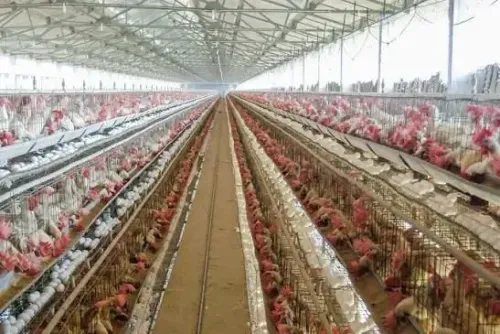
Chennai, Feb 9 (NationPress) Poultry establishments throughout Namakkal district have enhanced their biosecurity and sanitation protocols in response to a statewide alert issued by the Tamil Nadu government following reports of avian influenza and unusual bird fatalities in various regions of the state.
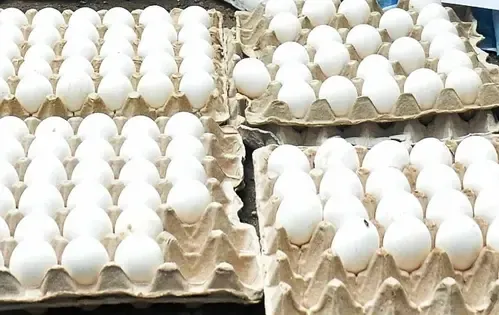
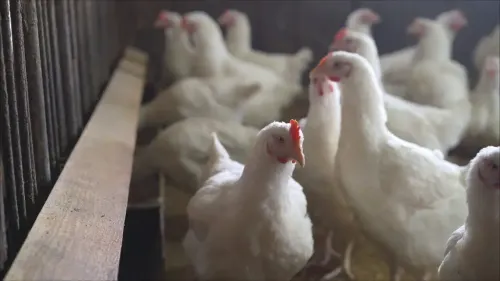
Although no outbreaks have been confirmed in Namakkal to date, farmers and officials are proactively implementing measures to protect the district's poultry industry, which is one of the largest egg production and export centers in India. Authorities have indicated that this increased alertness is intended to avert any potential infiltration of the highly infectious virus into the tightly controlled farm environment.
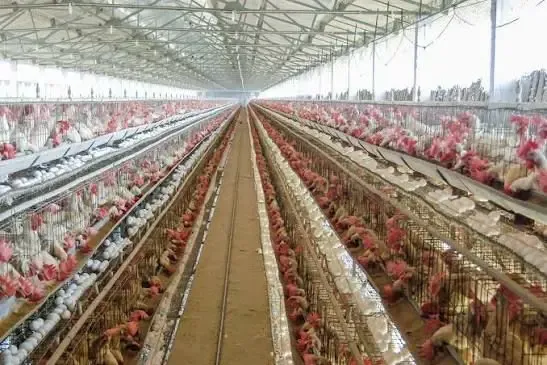
Considering the expansive operations in Namakkal and the ongoing flow of individuals, vehicles, and supplies, even minor oversights could introduce significant risk.
Consequently, stringent regulations have been established to minimize exposure. Sanitation initiatives have been intensified, access to farms restricted, and monitoring systems reinforced. Only essential personnel can enter farm premises, while newcomers are prohibited.
Vehicles arriving at the farms are undergoing thorough disinfection, with all activities adhering to protocols set forth by the veterinary college and the department of animal husbandry.
Valsan Parameswaran, secretary of the All India Poultry Product Exporters Association, stated that Namakkal's poultry sector adheres to biosecurity regulations consistently, but additional measures are enacted whenever alerts are raised.
“Farmers, owners, and officials collaborate during these times. We enhance sanitation and impose strict entry regulations to ensure that the disease does not reach our farms,” he explained.
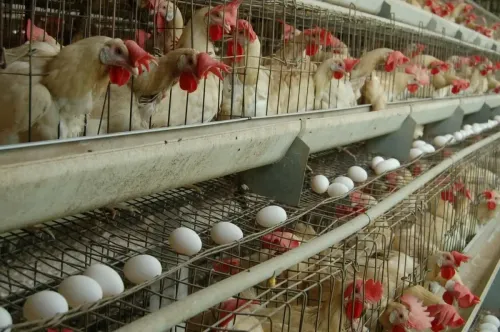
Poultry producers reported that the frequency of disinfection has doubled, with cleaning now occurring weekly instead of every 15 days. Given that eggs from Namakkal are routinely exported to both domestic and international markets, farms must uphold multiple layers of safety protocols, including rigorous hygiene standards and ongoing monitoring.
A poultry farmer from Tiruppur remarked that the controlled conditions within commercial farms significantly mitigate the risk of infection.
“Our biosecurity measures are in place year-round. In comparison to open bird habitats, our farms are considerably less susceptible,” he noted.
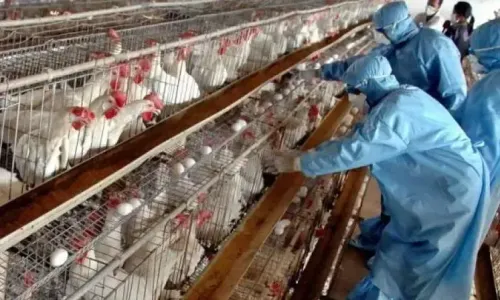
Meanwhile, veterinary professionals from the animal husbandry department are conducting routine inspections.
A senior official indicated that inspections typically occur every 10 to 15 days, but daily visits will be organized if any signs of concern arise. Officials emphasized that the district remains secure, but vigilance is crucial for safeguarding Namakkal's essential poultry sector.
Point of View
I view the measures taken by Namakkal's poultry industry as a necessary response to potential threats. While the region has not experienced an outbreak, the heightened vigilance demonstrates a commitment to public health and economic stability, ensuring that one of India's key agricultural sectors remains secure.
NationPress
2 Oct 2026
Frequently Asked Questions
What measures are being taken by Namakkal poultry farms?
Namakkal poultry farms are strengthening biosecurity protocols, increasing sanitation measures, restricting access to essential personnel, and intensifying vehicle disinfection to prevent any potential entry of avian influenza.
Is avian influenza present in Namakkal?
As of now, there have been no reported outbreaks of avian influenza in Namakkal, but farmers and officials are acting proactively to safeguard the poultry sector.
How often are disinfection protocols being implemented?
The frequency of disinfection has been doubled, with cleaning now occurring weekly instead of every 15 days to maintain high hygiene standards.
What is the significance of Namakkal's poultry industry?
Namakkal is one of India's largest hubs for egg production and export, making the health and safety of its poultry industry crucial for both local and national economies.
Who is responsible for monitoring the poultry farms?
Veterinary doctors from the animal husbandry department are conducting routine inspections and will increase the frequency if any concerns arise.