Pakistan HRC slams fuel price hike as 'direct assault' on millions
Synopsis
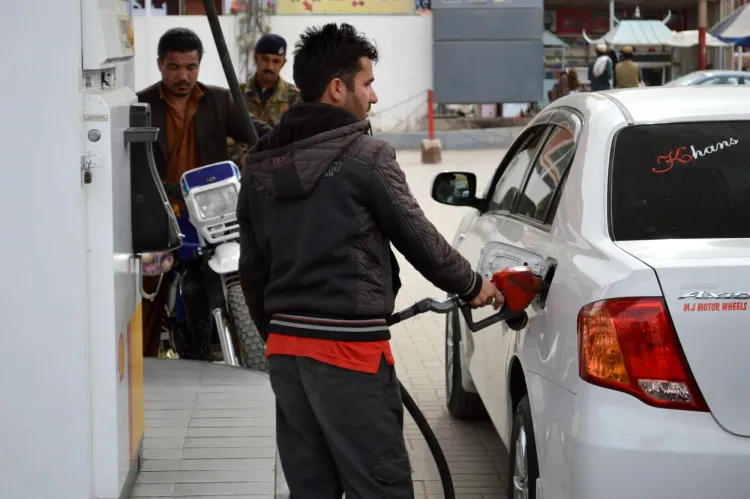
Pakistan's Human Rights Council has called the latest fuel price hike — petrol now at Rs 414.78 per litre — a 'direct assault' on millions, warning it triggers cascading price rises in food, medicine, and transport. With the HRC having used equally alarming language last month, the repeated condemnations signal a deepening crisis of affordability that the government has yet to address.
Key Takeaways
Pakistan's Human Rights Council (HRC) condemned the latest fuel price hike on Saturday, 10 May 2025 .
Petrol prices rose by Pakistani Rs 14.92 per litre to Rs 414.78 ; HSD rose by Rs 15 per litre to Rs 414.58 .
The HRC called the hike a "direct assault" on poor, working-class, and middle-class families.
Rickshaw drivers, daily wage labourers, transport workers, and students were specifically identified as the worst affected.
Last month, the HRC described a similar hike as an "economic suicide attack" on the public.
The rights body demanded an immediate reversal and reduction of elite privileges to fund public relief.
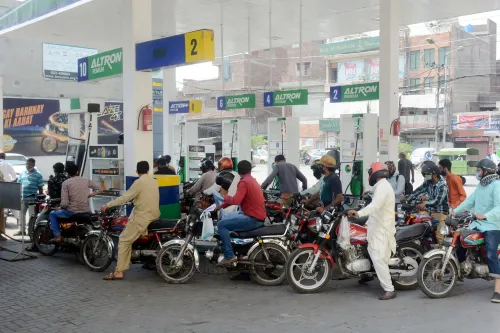
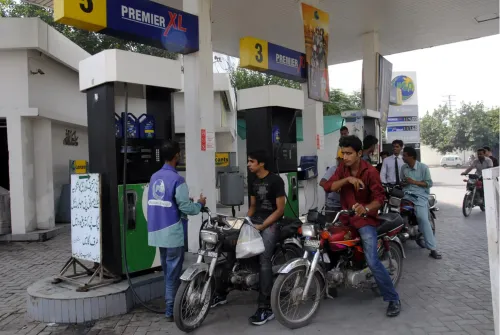
Pakistan's Human Rights Council (HRC) on Saturday, 10 May 2025, strongly condemned the latest increase in petroleum product prices, calling it a "direct assault" on the daily lives of millions of poor, working-class, and middle-class families. The condemnation follows the Pakistani government's decision to raise petrol prices by Pakistani Rs 14.92 per litre and high-speed diesel (HSD) by Rs 15 per litre, effective Saturday.
The Revised Fuel Rates
According to the Petroleum Division's official press release, the revised rates now stand at Pakistani Rs 414.78 per litre for petrol and Pakistani Rs 414.58 per litre for HSD. The new prices came into effect immediately upon announcement, leaving consumers with little time to adjust.
What the HRC Said
The rights body issued a sharp statement, warning that rising fuel costs trigger a broader cascade of price increases across essential goods. "When fuel becomes expensive, it's not just vehicles that come to a halt; the prices of flour, lentils, vegetables, milk, medicines, and other essentials also start touching the skies," the HRC of Pakistan stated.
The council specifically flagged the impact on the most vulnerable segments of society. "This decision is proving to be particularly devastating for rickshaw drivers, daily wage labourers, transport workers, students, and the white-collar class. The poor man is now not only under economic pressure but also grappling with severe mental stress, helplessness, and fear of the future," it added.
Key Demands from the Rights Body
The HRC of Pakistan called on authorities to immediately reverse the petroleum price hike and provide urgent relief to the public. It specifically demanded an end to arbitrary increases in transport fares and essential commodity prices, urging the government to reduce what it described as "unnecessary privileges enjoyed by the elite class." The council stressed that human rights extend beyond formal declarations: "They are the fundamental right of every citizen to live a dignified and secure life."
A Pattern of Repeated Hikes
This is not an isolated incident. Last month, following a similar fuel price increase, the HRC of Pakistan described the move as an "economic suicide attack" on the public, warning that the repeated surge in fuel prices amounts to "an invitation to the storm of inflation that has already broken the back of the common man." The recurrence of such hikes signals deepening economic strain in Pakistan, which has been navigating a prolonged cost-of-living crisis driven by inflation, unemployment, and currency pressures. With no immediate reversal in sight, advocacy groups and civil society organisations are expected to intensify pressure on Islamabad in the days ahead.
Point of View
Likely under IMF programme conditions, over immediate public welfare, a trade-off that is politically unsustainable as inflation erodes household purchasing power. What is missing from the public discourse is a credible government response: no relief package, no subsidy mechanism, no elite sacrifice has been announced alongside these hikes. The burden is falling asymmetrically, and the HRC's calls, however pointed, risk becoming routine if civil society fails to translate condemnation into organised accountability.
NationPress
25 Sept 2026
Frequently Asked Questions
Why did Pakistan increase fuel prices in May 2025?
The Pakistani government raised petrol prices by Rs 14.92 per litre and HSD by Rs 15 per litre, with revised rates effective from Saturday. The government has not publicly detailed the specific rationale, though Pakistan has been under pressure to adjust administered prices as part of broader fiscal management.
What are the new petrol and diesel prices in Pakistan?
As of Saturday, petrol is priced at Pakistani Rs 414.78 per litre and high-speed diesel (HSD) at Rs 414.58 per litre, according to the Petroleum Division's official press release.
What has the Human Rights Council of Pakistan demanded?
The HRC has demanded an immediate reversal of the fuel price hike, an end to arbitrary increases in transport fares and essential commodity prices, and urgent relief for the public funded by reducing privileges enjoyed by the elite class.
Who is most affected by Pakistan's fuel price hike?
According to the HRC of Pakistan, the most severely affected groups include rickshaw drivers, daily wage labourers, transport workers, students, and white-collar workers — all of whom face both higher direct fuel costs and rising prices of essential goods like flour, vegetables, milk, and medicines.
Has the HRC of Pakistan criticised fuel hikes before?
Yes. Last month, following a similar increase, the HRC described the move as an 'economic suicide attack' on the public, warning that repeated fuel price surges amount to an invitation to an inflation storm that has already broken the back of the common man.