Pakistan fuel hike: Transporters protest in Peshawar, fares rise fifth time in a month
Synopsis
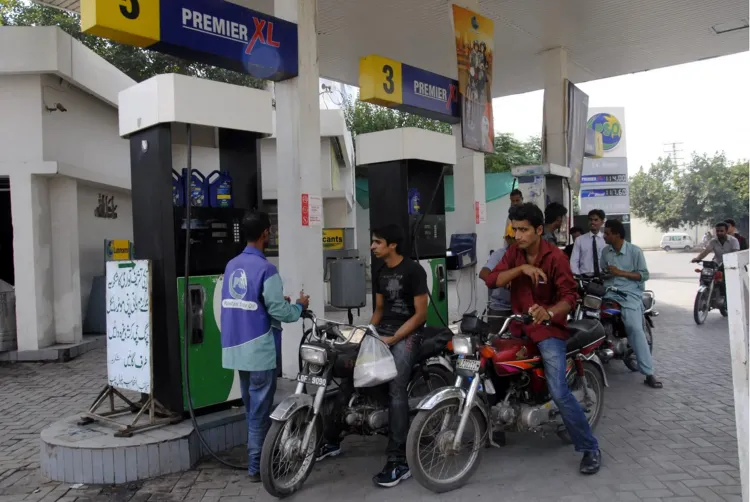
Transporters in Peshawar have taken to the streets as Pakistan's latest fuel price hike — petrol at PKR 399.86 and diesel at PKR 399.58 per litre — pushes transport fares up for the fifth time in a single month. With Eid around the corner and flour prices already out of reach for many, the protest signals deepening economic distress across Khyber Pakhtunkhwa.
Key Takeaways
Transporters in Peshawar and Khyber Pakhtunkhwa held protests on Saturday against rising petroleum prices.
Transport fares have been hiked for the fifth time in a single month following the latest fuel adjustment.
Fares from Peshawar to Rawalpindi and Lahore have risen by up to PKR 3,000 ; city bus minimum fares jumped from PKR 10 to PKR 30 .
On 30 April , Pakistan raised HSD prices by PKR 19.39/litre (to PKR 399.58) and petrol by PKR 6.51/litre (to PKR 399.86).
The sowing season is underway, and the HSD hike is expected to push up fertiliser and food prices further.
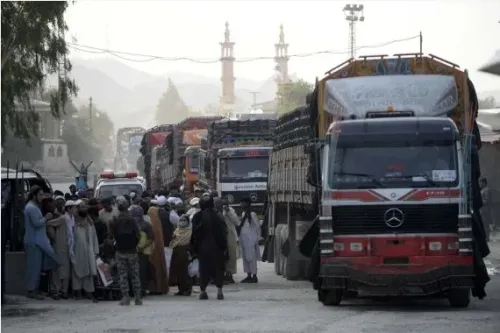
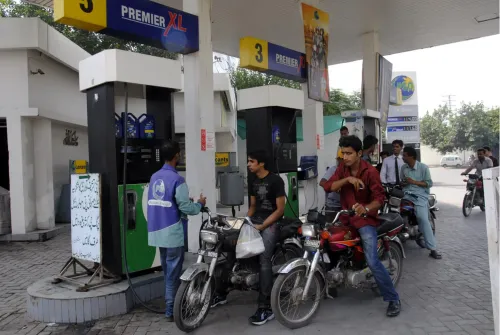
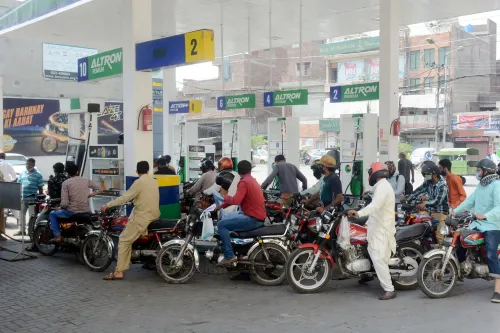
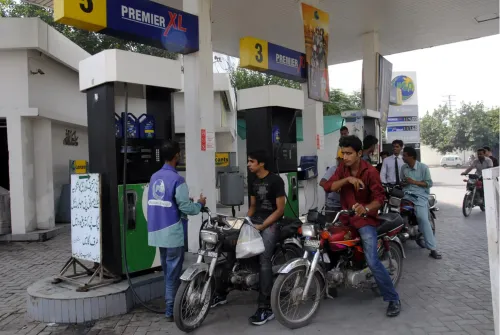
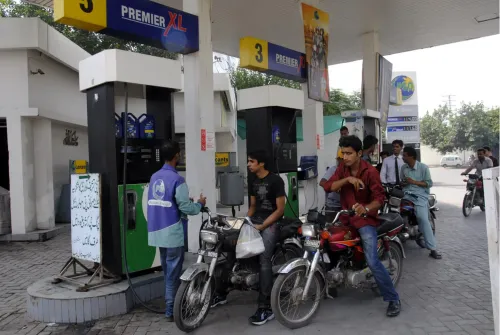
Transporters in Peshawar and across Khyber Pakhtunkhwa province held protests on Saturday against a steep hike in petroleum product prices, demanding an immediate rollback on petrol and diesel rates. The demonstration comes days after the Pakistan government raised fuel prices for the second consecutive fortnight, triggering a cascading rise in transport fares across the province.
Protest at Hajji Camp Terminal
Dozens of transport operators gathered at the Hajji Camp Terminal in Peshawar to voice their grievances. Addressing the crowd, transport leader Zubair Ahmed Qureshi warned of deepening economic hardship for ordinary citizens. Qureshi said, "Eid is approaching, but hyperinflation has made shopping impossible. Unemployment had already broken the poor. This is a great oppression on the low-income class. Flour is now beyond the common man's reach. More inflation means burying people alive."
Fares Hiked for the Fifth Time in a Month
The protest was triggered by the fact that transporters have raised fares for the fifth time within a single month following the latest fuel adjustment. Fares of AC vehicles have witnessed a steep rise, while fares of non-AC buses have increased by five per cent. Fares for routes from Peshawar to Nowshera, Mardan, Abbottabad, Haripur, Swat, and Malakand have risen by PKR 50 to PKR 500. Passengers travelling to Rawalpindi and Lahore now pay up to PKR 3,000 more per journey. City buses in Peshawar have raised minimum fares from PKR 10 to PKR 30, while goods transport vehicles have also revised their rates upward.
The Fuel Price Revision That Sparked It
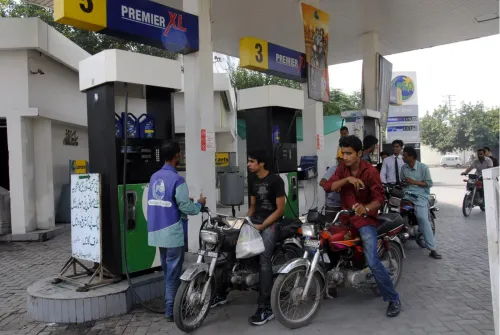
On 30 April, the Pakistan government raised the price of high-speed diesel (HSD) by PKR 19.39 per litre and petrol by PKR 6.51 per litre for a one-week period. According to a notification issued by Pakistan's Petroleum Division, the price of HSD was increased from PKR 380.19 to PKR 399.58 per litre, while petrol rose from PKR 393.35 to PKR 399.86 per litre, according to local media reports.
Impact on Agriculture and Everyday Life
High-speed diesel is a critical input for both the transport and agriculture sectors. With the sowing season currently underway in Pakistan, the sharp rise in HSD prices is expected to significantly impact farm economics. Fertiliser prices have already climbed due to higher transportation costs, compounding pressure on farmers. This comes amid broader concerns about food affordability — Qureshi notably flagged that flour prices have moved beyond the reach of low-income households. Notably, this is not an isolated episode: Pakistan has faced repeated rounds of fuel price hikes in recent months as the government adjusts prices in line with international crude movements and IMF-linked fiscal commitments.
What Comes Next
Protesters have demanded an immediate reduction in petrol and diesel prices, though no response from the provincial or federal government has been reported so far. With Eid approaching, the pressure on household budgets is expected to intensify, and further fare adjustments by transporters cannot be ruled out if fuel prices remain elevated.
Point of View
Food costs, and fertiliser prices, hitting low-income households hardest. With the sowing season underway, the HSD hike carries a second-order risk of food inflation that could outlast the current protest cycle. The government's silence in the face of the demonstration suggests it has little room to manoeuvre — but that political calculus may shift sharply as Eid approaches.
NationPress
23 Sept 2026
Frequently Asked Questions
Why are transporters protesting in Peshawar?
Transporters in Peshawar are protesting against repeated hikes in petroleum product prices, which have forced them to raise fares five times within a single month. They are demanding an immediate reduction in petrol and diesel prices from the Pakistan government.
By how much did Pakistan raise fuel prices on 30 April?
Pakistan's Petroleum Division raised the price of high-speed diesel by PKR 19.39 per litre to PKR 399.58, and petrol by PKR 6.51 per litre to PKR 399.86, effective 30 April, for a one-week period.
How much have transport fares increased in Khyber Pakhtunkhwa?
Fares on routes from Peshawar to cities like Rawalpindi and Lahore have risen by up to PKR 3,000, while city bus minimum fares in Peshawar jumped from PKR 10 to PKR 30. Non-AC bus fares have increased by five per cent overall.
How does the fuel hike affect Pakistan's agriculture sector?
High-speed diesel is a key input for farm machinery and transportation of agricultural goods. With the sowing season currently underway, the PKR 19.39 per litre HSD hike is expected to raise fertiliser and food prices, compounding pressure on farmers and consumers.
What did transport leader Zubair Ahmed Qureshi say at the protest?
Qureshi warned of severe hardship for low-income groups, stating that hyperinflation had made Eid shopping impossible and that flour was beyond the common man's reach. He described the situation as "a great oppression on the low-income class."