Pakistan Government Raises Kerosene and Light Diesel Oil Prices
Synopsis
On March 16, Pakistan's government announced a significant hike in kerosene and Light Diesel Oil prices, raising concerns among citizens as they prepare for Ramadan and Eid. The increase is expected to strain household budgets, especially for middle-class families and daily wage earners.
Key Takeaways
Price of Kerosene: Increased to PKR 358.01 per litre.
Price of Light Diesel Oil: Increased to PKR 302.52 per litre.
Petroleum Levy: Remains unchanged for petrol and diesel.
Impact on Households: Significant strain on budgets during Ramadan.
Transport Costs: Rising fares impacting commuters across cities.
Islamabad, March 16 (NationPress) - The federal government of Pakistan has announced an increase in the prices of kerosene and Light Diesel Oil (LDO), according to local news sources reported on Monday. The price of kerosene has surged by PKR 39.20 per litre, marking the new price at PKR 358.01 per litre, as confirmed by the Petroleum Division of Pakistan's Ministry of Energy.
Additionally, the cost of Light Diesel Oil has been raised by PKR 67.51 per litre, establishing the new price at PKR 302.52 per litre, as reported by 'The Express Tribune'.
Simultaneously, the government has stated that the petroleum levy on petrol and diesel will remain constant. The petrol levy will continue at PKR 105.37 per litre, while the diesel levy holds steady at PKR 55.24 per litre.
On March 6, the government had previously increased the prices of petrol and high-speed diesel by PKR 55 per litre each. Following this announcement, the new ex-depot price of high-speed diesel was updated to PKR 335.86 per litre, while the ex-depot petrol price was raised to PKR 321.17 from PKR 266.17 per litre, as reported by another leading Pakistani daily, 'Dawn'.
Pakistan's Petroleum Minister, Ali Pervaiz Malik, made these announcements during a press conference alongside Deputy Prime Minister and Foreign Minister Ishaq Dar, and Finance Minister Muhammad Aurangzeb.
Reports indicate that the significant hike in fuel prices is becoming increasingly burdensome during Ramadan, a period when household budgets are already stretched thin. The rise in the cost of essential goods disproportionately impacts middle-class families.
“The timing of this increase has escalated public frustration. Ramadan is traditionally a time when governments are expected to provide relief through targeted aid for essential goods. Instead, families are facing a cost shock that is rapidly diminishing their purchasing power, especially as they prepare for Eid expenses,” stated 'Dawn'.
Moreover, the repercussions of this price surge are particularly harsh for millions of daily wage earners and gig workers whose earnings are meager and unstable.
Pakistan's heavy reliance on imported fuel renders domestic prices highly susceptible to international fluctuations.
“Fuel prices are intertwined with the broader economy. In an import-dependent system like Pakistan's, they serve as a significant channel for spreading cost pressures across nearly every sector,” the report elaborated.
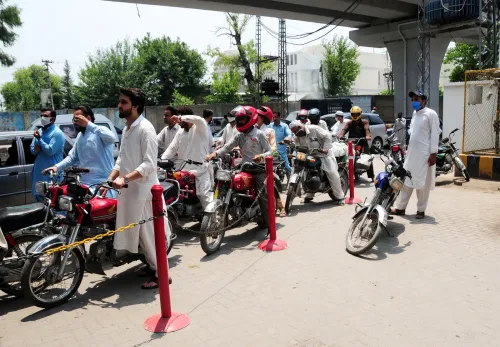
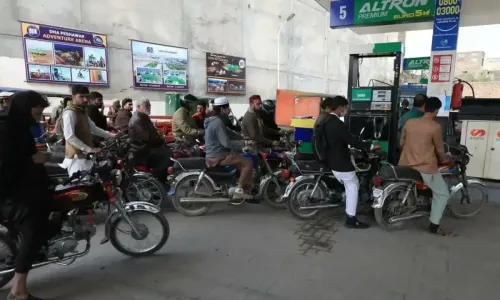
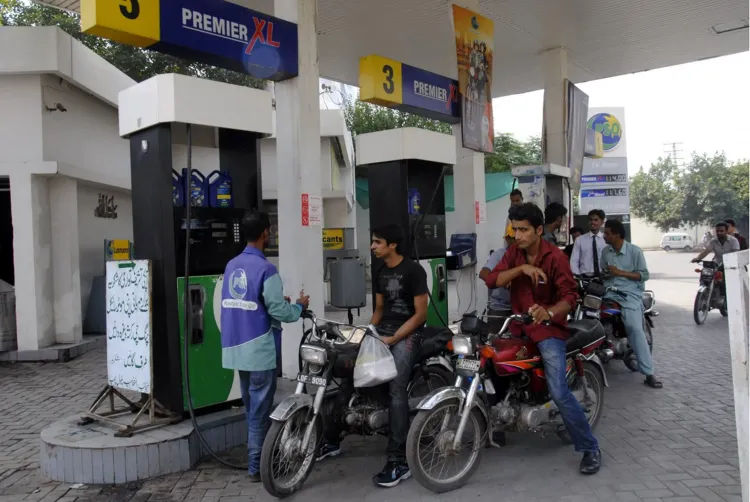
Transport fares have already begun to increase across cities shortly after the announcement. For the millions who depend on public transportation or motorcycles for their daily commutes, this translates to a necessary rise in daily expenses.
According to 'Dawn', households in Pakistan are facing a cost shock that is swiftly eroding their purchasing power just as families start planning for Eid celebrations.
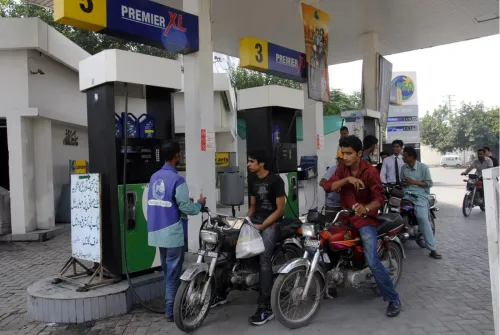
In Peshawar, the increase in petrol and diesel prices has driven up the costs of commodities and inter-city travel, while fuel dealers report a noticeable downturn in sales.
Point of View
The recent increase in fuel prices underscores the critical challenges facing Pakistan's economy, particularly during Ramadan. The government's decision raises significant concerns about the impact on low and middle-income families who are already struggling with the rising costs of living. It is crucial for authorities to balance economic realities with the need for public support during challenging times.
NationPress
23 Sept 2026
Frequently Asked Questions
What is the new price of kerosene in Pakistan?
The new price of kerosene in Pakistan is PKR 358.01 per litre.
How much has the price of Light Diesel Oil increased?
The price of Light Diesel Oil has increased by PKR 67.51, bringing it to PKR 302.52 per litre.
Will the petroleum levy on petrol and diesel change?
No, the petroleum levy on petrol and diesel will remain unchanged.
How has this price increase affected public transport?
Transport fares have begun to rise in cities across Pakistan, increasing daily expenses for commuters.
What are the economic implications of this price hike?
This price increase is expected to strain household budgets, particularly affecting middle-class families and daily wage earners.