Has Pakistan Raised Petrol and Diesel Prices Again?
Synopsis
In a significant move, the Pakistan government has raised petrol and high-speed diesel prices, impacting the budgets of many citizens. This change is set against a backdrop of rising essential food prices, raising concerns about inflation and affordability for low and middle-income families. Read on for more details.
Key Takeaways
Petrol prices increased by PKR 5 per litre.
High-speed diesel prices rose by PKR 7.32 per litre.
The price adjustments are effective until the end of February.
Inflation concerns are heightened due to rising fuel and food prices.
Residents are urging the government for price controls on essential items.
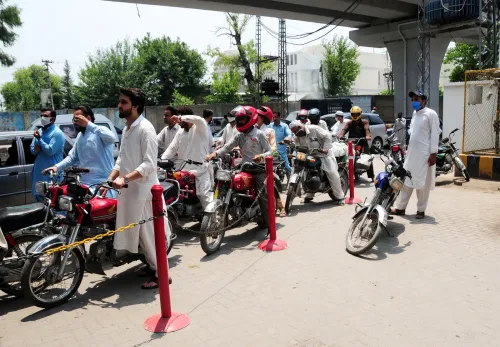
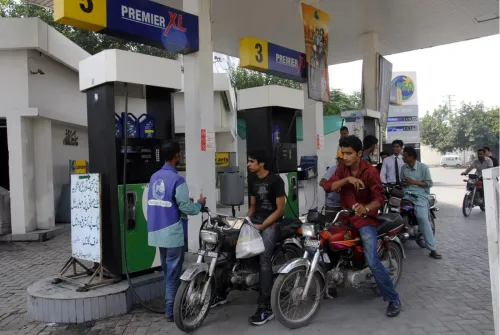
Islamabad, Feb 16 (NationPress) The government of Pakistan has announced an increase in the prices of petrol and high-speed diesel by PKR 5 and PKR 7.32 per litre, respectively, effective until the end of February, according to reports from local media.
In a late-night statement on Sunday, the petroleum division indicated that the price adjustments were made due to fluctuations in international markets and recommendations from the Oil and Gas Regulatory Authority (Ogra), as reported by the prominent daily, Dawn.
Specifically, the ex-depot price of high-speed diesel has been raised by PKR 7.32 per litre, bringing it to PKR 275.70 per litre for the current fortnight, up from PKR 268.38 per litre. This increase is expected to be inflationary as high-speed diesel is primarily used in heavy transport vehicles, trains, and agricultural machinery, affecting the costs of essential goods, including vegetables.
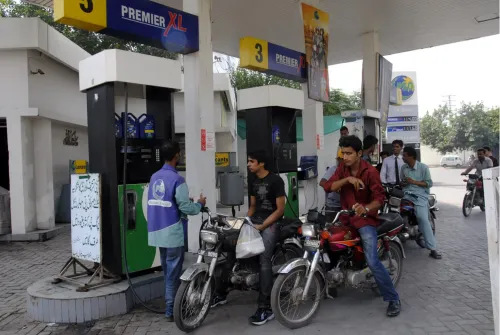
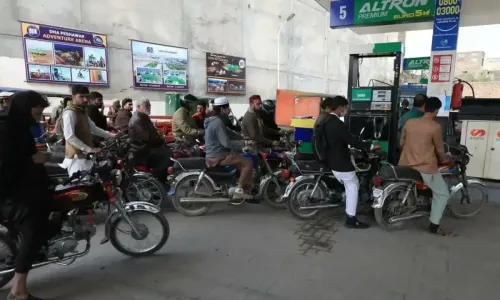
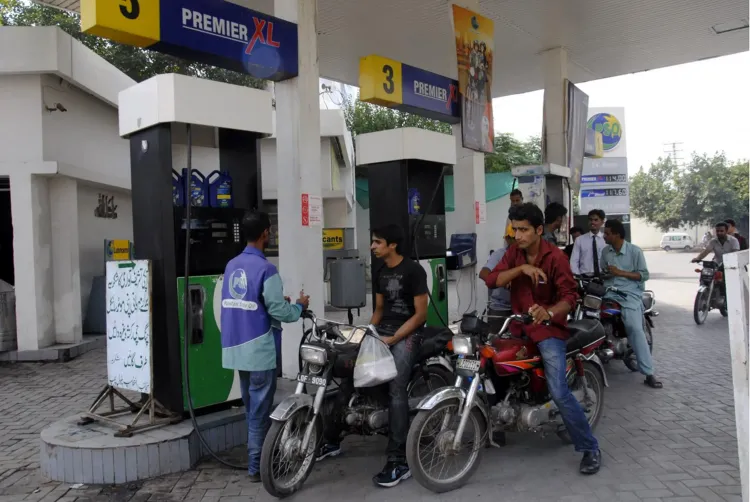
Meanwhile, the ex-depot price of petrol has been adjusted from PKR 253.17 per litre to PKR 258.17 per litre. This rise in petrol prices is likely to impact the budgets of the middle and lower-middle classes, as it is predominantly used in private transport, small vehicles, rickshaws, and two-wheelers, according to Dawn.
Earlier in January, residents in Shangla and other upper districts of Pakistan's Khyber Pakhtunkhwa expressed concerns regarding the rising prices of flour, attributing the surge to weak government oversight, hoarding, and profiteering, as reported by local news outlets.
Currently, a 20-kilogram bag of flour costs around PKR 2,850 in Shangla and nearby areas, while a 40-kilogram bag is priced at up to PKR 5,700. The price of a 50-kilogram bag has reportedly reached around PKR 7,000, rendering essential food items unaffordable for many families in the lower and middle-income brackets, according to The Nation.
Residents have voiced their concerns that the escalating price of flour has exacerbated the financial strain already imposed by inflation, urging the provincial government and local authorities to implement immediate measures to control prices of essential commodities.
Point of View
I believe this increase in petrol and diesel prices highlights the ongoing challenges faced by the Pakistani public amidst rising inflation. While the government cites international market fluctuations as a reason for these hikes, it is imperative that they also address the growing concerns related to necessary price controls on essential commodities to alleviate the financial burden on citizens.
NationPress
24 Sept 2026
Frequently Asked Questions
What are the new prices for petrol and diesel in Pakistan?
The new prices are PKR 258.17 per litre for petrol and PKR 275.70 per litre for high-speed diesel.
Why were the prices increased?
The price hikes are attributed to fluctuations in international markets and recommendations from the Oil and Gas Regulatory Authority (Ogra).
How will this affect the average citizen?
The increase in fuel prices is likely to impact the budgets of middle and lower-middle-class families, as it raises transportation costs and can lead to higher prices for essential goods.
What other price increases are occurring in Pakistan?
There have been significant increases in flour prices, with a 20-kilogram bag now costing around PKR 2,850, affecting the affordability of food for many families.
What actions are residents urging the government to take?
Residents are calling for immediate measures to implement price controls on essential commodities to mitigate the financial strain caused by inflation.