Dr. Jitendra Singh flags Delhi-Katra Expressway milestone
Synopsis
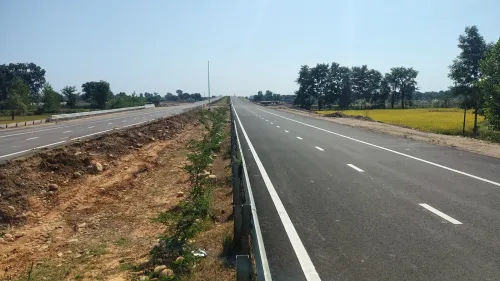
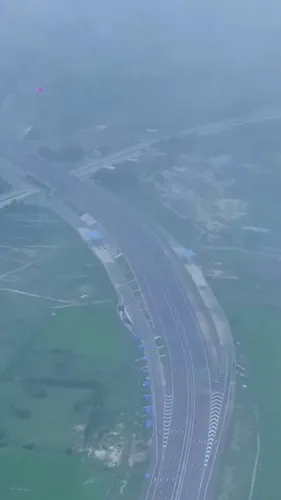
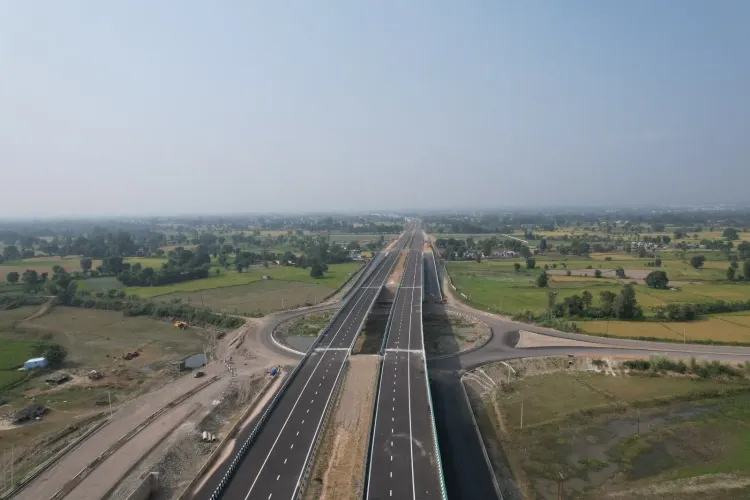
Union Minister Dr. Jitendra Singh announced that the ~40 km Pathankot–Dayalachak stretch of the Delhi–Amritsar–Katra Expressway is expected to open by December, bypassing the Lakhanpur toll plaza and cutting travel time from up to 70 minutes to under 30 minutes.
Key Takeaways
The ~40 km Pathankot–Dayalachak stretch of the Delhi–Amritsar–Katra Expressway is expected to open by December 2026 .
The new road bypasses the Lakhanpur toll plaza , a major congestion point on the J&K entry route.
Travel time on this section is projected to fall from 50–70 minutes to 25–30 minutes .
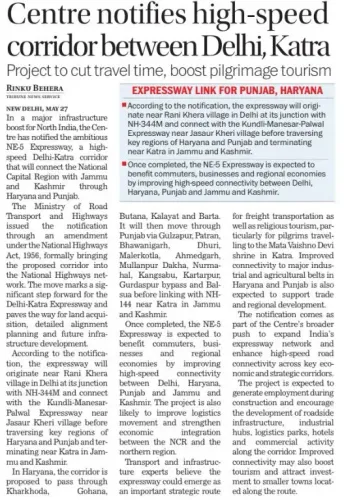
The expressway is part of the Bharatmala Pariyojana , launched in 2015 to develop national highway corridors.
The corridor is a key route for Vaishno Devi pilgrims and freight movement into Jammu and Kashmir.
Jitendra Singh shared the update on 22 October 2026 , calling it a step towards 'ease of travel'.
A roughly 40-kilometre stretch of one of northern India's most anticipated expressways is closing in on its opening date — and for the millions of pilgrims and commuters who battle the Lakhanpur bottleneck every year, the numbers tell the story: a journey that eats up 50 to 70 minutes is set to shrink to 25 to 30 minutes. Union Science and Technology Minister Dr. Jitendra Singh flagged the update on Thursday, 22 October 2026, sharing that the Pathankot–Dayalachak segment of the Delhi–Amritsar–Katra Expressway is expected to open by December.
What the Pathankot–Dayalachak opening actually changes
The new alignment bypasses the Lakhanpur toll plaza — a chokepoint that has long slowed traffic on the gateway route into Jammu and Kashmir. The roughly 40 km stretch between Pathankot in Punjab and Dayalachak is a discrete, near-ready segment that can deliver immediate relief without waiting for the full expressway corridor to be complete. Dr. Singh framed the update as a demonstration of 'ease of travel', a phrase the Modi government has attached to its infrastructure push in the north.
The Bharatmala spine behind the expressway
The Delhi–Amritsar–Katra Expressway is one of the flagship corridors under the Bharatmala Pariyojana, the national highway network programme launched in 2015 to stitch together expressways and economic corridors across India. The Katra terminus matters beyond commerce: it is the road gateway for crores of Vaishno Devi pilgrims, making this corridor simultaneously a logistics artery and a piece of religious infrastructure. Dr. Jitendra Singh, who holds both the Science and Technology portfolio and a PMO role, has been a consistent voice on development projects originating in Jammu and Kashmir — his own political home ground.
Phased rollout and what comes next
The broader Delhi–Amritsar–Katra corridor remains a work in progress, with the Pathankot–Dayalachak section representing one of several phased openings the government has adopted to deliver early benefits ahead of full completion. The December target, if met, will keep pressure on remaining stretches. Any slippage — or a smooth ribbon-cutting — will set the political tone for how the government's northern connectivity record is judged heading into the next news cycle.
For the pilgrim boarding a bus to Katra, or the trucker hauling freight through Punjab into J&K, the countdown to December just became very real.
Point of View
Publicising a J&K-adjacent project reinforces his dual identity as a national minister and a regional champion for Jammu. The Bharatmala programme's credibility increasingly rests on whether these section-by-section timelines actually hold; December will be an early test. If the opening lands on schedule, the government gains a clean data point for its 'ease of travel' narrative ahead of the pilgrim season.
NationPress
22 Oct 2026
Frequently Asked Questions
When will the Pathankot to Dayalachak stretch of the Delhi–Katra Expressway open?
The Pathankot–Dayalachak stretch of the Delhi–Amritsar–Katra Expressway is expected to open by December 2026, according to a post by Union Minister Dr. Jitendra Singh.
How much will the new expressway stretch reduce travel time?
The new alignment is expected to reduce travel time on the Pathankot–Dayalachak section from 50–70 minutes to just 25–30 minutes by bypassing the Lakhanpur toll plaza.
What is the Delhi–Amritsar–Katra Expressway?
It is a major greenfield expressway corridor under the Bharatmala Pariyojana connecting Delhi to Katra in Jammu and Kashmir, primarily aimed at improving access to the Vaishno Devi shrine and the broader northern region.
What is Bharatmala Pariyojana?
Bharatmala Pariyojana is a national highway development programme launched in 2015 to build a network of expressways and economic corridors across India.
Why is the Lakhanpur toll plaza bypass significant?
The Lakhanpur toll plaza is a long-standing bottleneck on the main road entering Jammu and Kashmir from Punjab; bypassing it will meaningfully cut travel time for pilgrims, commuters, and freight traffic.