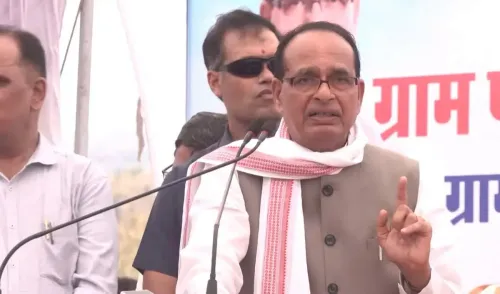
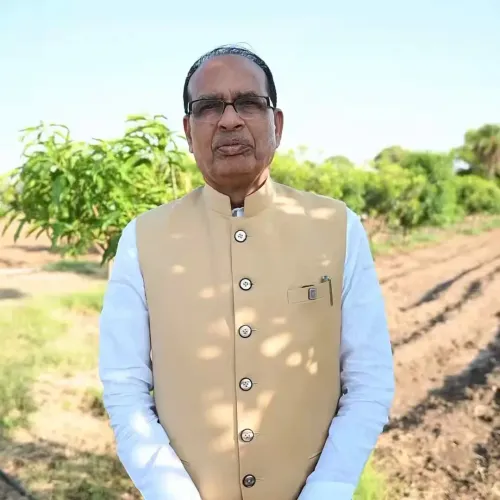
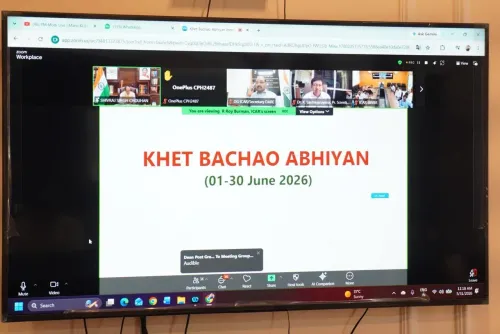
Shivraj launches Khet Bachao Abhiyan for soil health
Synopsis
Union Agriculture Minister Shivraj Singh Chouhan launched the Khet Bachao Abhiyan on October 22, 2026, urging Indian farmers to adopt balanced fertilizer and pesticide use to protect soil health and long-term farm productivity.
Key Takeaways
Khet Bachao Abhiyan (Save the Farm Campaign) was launched on October 22, 2026 by Union Agriculture Minister Shivraj Singh Chouhan .
The campaign urges farmers to use fertilizers and pesticides in a balanced and restrained manner to preserve soil health.
It builds on the Soil Health Card Scheme launched in 2015 , which provided soil nutrient diagnostics to farmers.
Overuse of chemical inputs has been linked to declining soil organic carbon and reduced long-term agricultural productivity across India.
State-level rollout details, participation mechanisms, and any linked fertilizer guideline changes are yet to be announced.
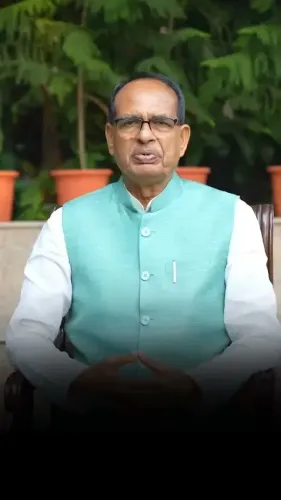
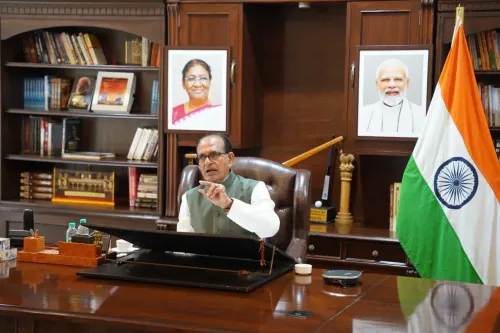
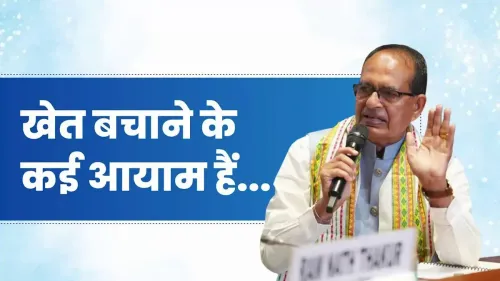
India's farmlands are under quiet, creeping siege — not from floods or drought alone, but from the very inputs meant to nourish them. On Thursday, October 22, 2026, Union Agriculture Minister Shivraj Singh Chouhan launched the Khet Bachao Abhiyan (Save the Farm Campaign), calling on farmers across the country to adopt balanced use of fertilizers and pesticides to protect soil health.
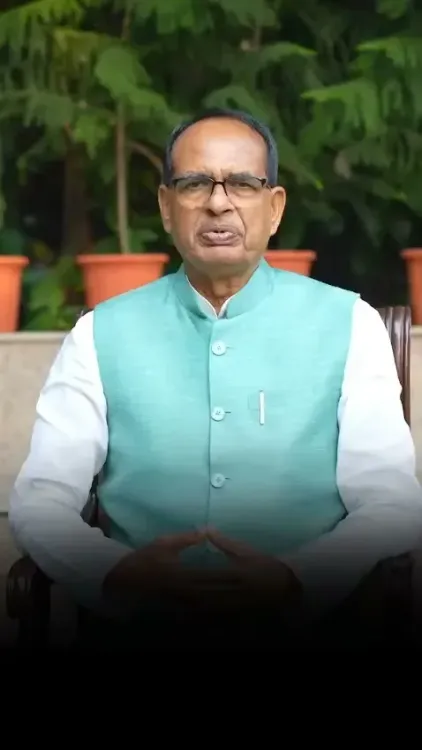
Posting on X, the Minister addressed farmers directly: 'प्रिय किसान भाइयों-बहनों' ('Dear farmer brothers and sisters'), urging every one of them to join the campaign and help keep 'धरती मां' — Mother Earth — healthy. The message is simple, but the problem it targets is not.
What the Khet Bachao Abhiyan asks of farmers
At its core, the campaign calls for balanced and restrained use of chemical fertilizers and pesticides — a practice that sounds obvious but runs against decades of incentive structures that rewarded volume over precision. Overuse of nitrogenous fertilizers degrades soil microbiome, hardens topsoil, and builds up chemical residues that reduce long-term productivity. The campaign asks farmers to recalibrate.
Chouhan, a former four-term Chief Minister of Madhya Pradesh who spent years engaging directly with the farming communities of central India, has positioned soil health as a front-line welfare issue — not just an agronomic one. When the soil suffers, the farmer suffers next season.
A line that runs back to the Soil Health Card Scheme
This campaign does not emerge from a vacuum. In 2015, the government launched the Soil Health Card Scheme, which aimed to give every farmer a card detailing the nutrient profile of their land and prescribing tailored fertilizer doses. That scheme put the diagnostic infrastructure in place. Khet Bachao Abhiyan is, in spirit, the awareness and behaviour-change layer that the diagnostic alone could not deliver.
Successive administrations have wrestled with the same paradox: fertilizer subsidies, intended to support farmers, often incentivise excess application because the marginal cost to the farmer is artificially low. Awareness campaigns try to correct the behaviour that subsidies inadvertently encourage.
The stakes for Indian agriculture
Soil degradation is not a distant threat. Studies have consistently flagged declining soil organic carbon levels across major crop-growing states, with long-term consequences for yield potential. For a country feeding 1.4 billion people and aiming to expand agricultural exports, protecting soil productivity is as strategic as building irrigation infrastructure.
What the Khet Bachao Abhiyan's actual rollout looks like at the state level — participation mechanisms, monitoring, and any linked adjustments to fertilizer application guidelines — will determine whether it moves the needle or remains a well-intentioned appeal.
Chouhan has put the call out. Whether India's farmers answer it at scale will be the real story of this campaign.
Point of View
While awareness campaigns try to correct the very behaviour those subsidies incentivise. Chouhan's framing of soil health as a welfare issue — not merely a technical one — is politically deliberate, drawing a direct line between a farmer's land quality today and their livelihood next season. As the minister who governed Madhya Pradesh for over a decade, his credibility with farmer communities gives this campaign a personal dimension that a bureaucratic circular cannot replicate. The real test is institutional follow-through: whether state machinery translates a social media call-to-action into measurable shifts in input usage patterns.
NationPress
22 Oct 2026
Frequently Asked Questions
What is Khet Bachao Abhiyan?
Khet Bachao Abhiyan, meaning 'Save the Farm Campaign,' is an initiative launched by Union Agriculture Minister Shivraj Singh Chouhan on October 22, 2026, urging farmers to use fertilizers and pesticides in balanced quantities to protect soil health and long-term farm productivity.
Who launched the Khet Bachao Abhiyan?
Union Agriculture Minister Shivraj Singh Chouhan, a senior BJP leader and former four-term Chief Minister of Madhya Pradesh, launched the Khet Bachao Abhiyan on October 22, 2026.
Why is balanced fertilizer use important for Indian farmers?
Excessive use of chemical fertilizers and pesticides degrades soil health, reduces the soil's microbiome, and lowers long-term crop yields. Balanced use preserves soil productivity and reduces input costs for farmers over time.
What is the Soil Health Card Scheme and how is it related?
The Soil Health Card Scheme was launched in 2015 to provide farmers with a card detailing their land's nutrient profile and prescribing tailored fertilizer doses. The Khet Bachao Abhiyan builds on this foundation by driving farmer behaviour change toward those balanced recommendations.
How can farmers participate in the Khet Bachao Abhiyan?
Chouhan has called on all farmers to join the Khet Bachao Abhiyan. Specific state-level participation details and implementation mechanisms are expected to be announced as the campaign rolls out.