Shivraj Singh Chouhan Reviews 'Khet Bachao Abhiyan' Launch
Synopsis
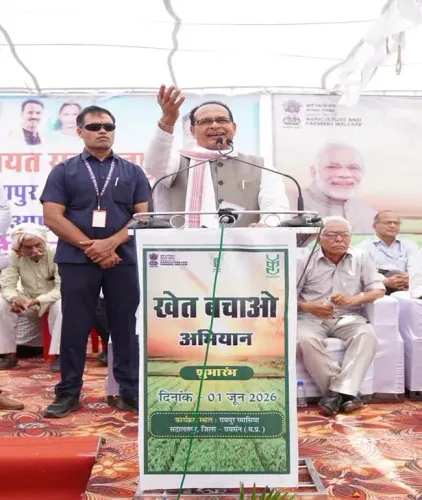
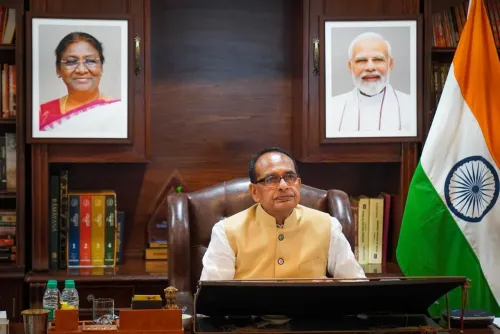
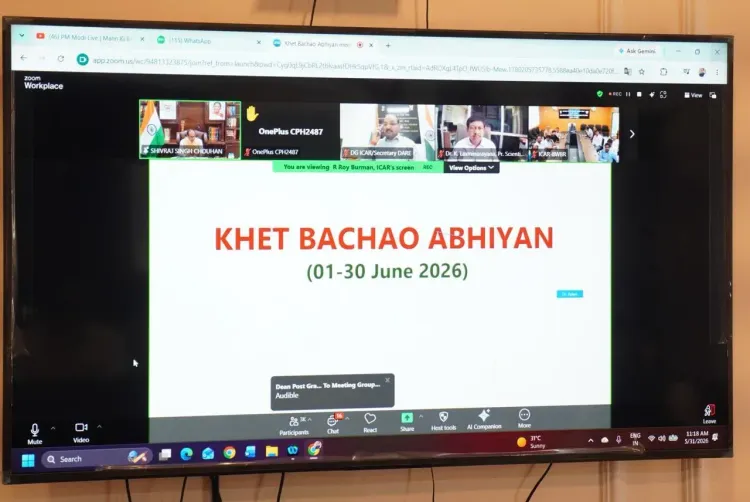
Union Agriculture Minister Shivraj Singh Chouhan chaired a video conference on 31 May 2026 to review preparations for the 'Khet Bachao Abhiyan', launching from Raisen on 1 June. The campaign will promote soil health, natural farming, and delivery of central welfare schemes to farmers nationwide.
Key Takeaways
Khet Bachao Abhiyan launches on 1 June 2026 from Raisen, Madhya Pradesh .
Union Agriculture Minister Shivraj Singh Chouhan held a preparatory video conference with KVKs, ICAR institutions, agricultural universities, and central and state officials on 31 May 2026 .
Campaign themes include soil testing, Soil Health Cards , natural farming, water conservation, and detection of spurious fertilisers, seeds, and pesticides.
Existing schemes — PM-KISAN (Rs 6,000 annual support), Kisan Credit Card , Pradhan Mantri Fasal Bima Yojana , and the Pulses and Oilseeds Mission — will be actively promoted through the campaign.
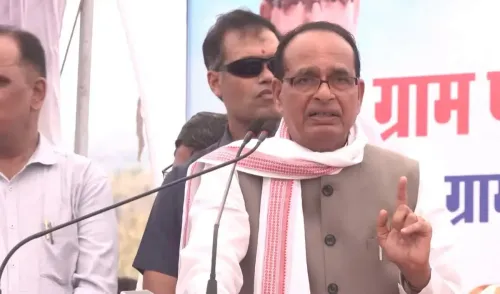
Chouhan called on scientists, officials, elected representatives, and farmers to transform the drive into a jan andolan (people's movement).
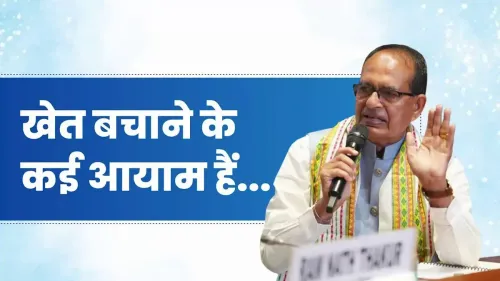
Union Agriculture Minister Shivraj Singh Chouhan on Sunday, 31 May 2026 chaired a nationwide video conference to review preparations for the 'Khet Bachao Abhiyan' (Save the Farm Campaign), set to launch on 1 June 2026 from Raisen, Madhya Pradesh. Senior agriculture officials from central and state governments, Krishi Vigyan Kendras (KVKs), ICAR institutions, and agricultural universities across India participated in the preparatory meeting.
Context
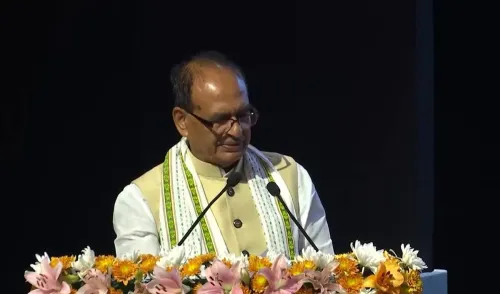
Posting on X, Chouhan described the campaign as 'koi karmakand nahin' — 'no mere ritual' — but a resolve to 'save Mother Earth and secure the future of coming generations.' The drive will be launched from the soil of Raisen, a district in Madhya Pradesh that falls within Chouhan's long-standing political and administrative base, where he served as Chief Minister for four terms before joining the Union Cabinet.
The minister convened officials from KVKs, ICAR institutions, and agricultural universities alongside state and central government officers to align on the campaign's rollout. The breadth of institutions involved signals an intent to use the existing federal agricultural extension network rather than build a parallel structure.
Policy Backdrop
The Khet Bachao Abhiyan will cover a wide range of themes: balanced fertiliser use, soil testing, Soil Health Cards, natural farming, water conservation, green manure, alternative cropping in low-rainfall conditions, and identification of spurious fertilisers, seeds, and pesticides. Field-level demonstrations and practical examples are planned to promote science-based farming.
The Soil Health Card Scheme, launched nationally in 2015, provides farmers with nutrient-status reports and fertiliser recommendations for their plots — a direct policy ancestor of the soil-testing emphasis in this campaign. Similarly, the Paramparagat Krishi Vikas Yojana introduced in 2015 laid the groundwork for organic and natural farming clusters that the new drive seeks to expand upon.
Chouhan also indicated that the campaign will serve as a delivery vehicle for existing central schemes: Kisan Credit Card, Pradhan Mantri Kisan Samman Nidhi (PM-KISAN), Pradhan Mantri Fasal Bima Yojana, mini seed kits, the Pulses and Oilseeds Mission, and farm mechanisation programmes. PM-KISAN provides an annual income support of Rs 6,000 to eligible landholding farmer families.
Stakeholders and Impact
The campaign targets India's farming community directly, with scientists, officials, and elected representatives asked to act as on-ground mobilisers. Chouhan appealed to all stakeholders — 'vaigyanikon, adhikariyon, janpratinidhiyon aur kisan bhai-bahon' (scientists, officials, public representatives, and farmer brothers and sisters) — to make the initiative a 'jan andolan', or people's movement, 'with full sensitivity.'
ICAR, as the apex body coordinating agricultural research and the KVK network, will play a central institutional role. KVKs are district-level farm science centres that conduct demonstrations and farmer training, making them the most direct point of contact between policy and cultivators at the ground level.
The focus on identifying counterfeit inputs — spurious fertilisers, seeds, and pesticides — addresses a persistent problem that erodes farm productivity and farmer income, particularly for smallholders who have limited means to verify input quality.
What's Next
All eyes will be on the physical launch from Raisen on 1 June 2026 and the subsequent state-level rollout of field demonstrations. The effectiveness of the campaign will depend on the depth of participation by state agriculture departments and the actual saturation of scheme benefits among farmers who have so far been left out of existing programmes. Chouhan framed the mission in collective moral terms: 'Protecting Mother Earth is our shared responsibility.'
Point of View
Even as the campaign's stated agenda is substantively grounded in soil degradation and input-quality concerns. The decision to route delivery through the existing ICAR-KVK network rather than a new structure suggests a pragmatic approach, though past campaigns of this type have struggled with uneven state-level follow-through. The campaign's real test will be whether field demonstrations translate into measurable shifts in fertiliser use and scheme uptake, or remain largely ceremonial.
NationPress
14 Oct 2026
Frequently Asked Questions
What is the Khet Bachao Abhiyan?
The Khet Bachao Abhiyan is a nationwide farm awareness campaign launched by the Union Agriculture Ministry on 1 June 2026 from Raisen, Madhya Pradesh. It aims to promote soil health, natural farming, water conservation, and help farmers access central government schemes.
Where is the Khet Bachao Abhiyan being launched from?
The campaign is being launched from Raisen , a district in Madhya Pradesh , on 1 June 2026 .
What schemes will be promoted under the Khet Bachao Abhiyan?
The campaign will promote PM-KISAN , Kisan Credit Card , Pradhan Mantri Fasal Bima Yojana , mini seed kits, the Pulses and Oilseeds Mission , and farm mechanisation programmes, among others.
What is the role of ICAR and KVKs in the campaign?
ICAR institutions and Krishi Vigyan Kendras (KVKs) will serve as the primary delivery network for field-level demonstrations and farmer training under the campaign, given their presence at the district level across India.
What did Shivraj Singh Chouhan say about the Khet Bachao Abhiyan?
Chouhan said the campaign is 'no mere ritual' but a resolve to save Mother Earth and secure the future of coming generations. He urged scientists, officials, elected representatives, and farmers to make it a people's movement.