Khet Bachao Abhiyan: Shivraj Chouhan launches soil health drive for farmers
Synopsis
Agriculture Minister Shivraj Singh Chouhan has launched a month-long nationwide campaign — Khet Bachao Abhiyan — from a Madhya Pradesh village, pushing farmers to ditch indiscriminate chemical use in favour of soil-tested, balanced fertiliser application. With soil fertility declining and cultivation costs rising, the campaign mobilises agricultural scientists, Krishi Vigyan Kendras, and state officials to reach farmers directly.
Key Takeaways
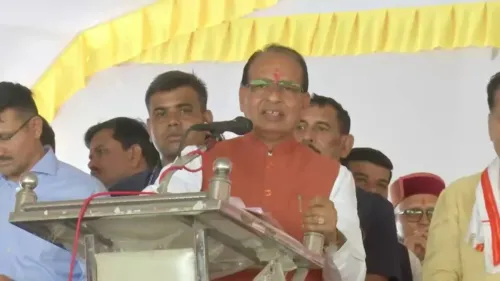
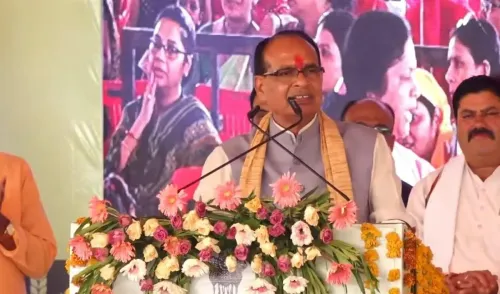
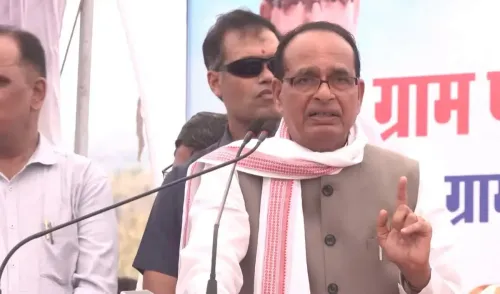
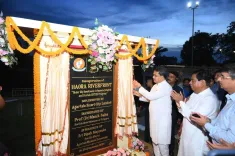
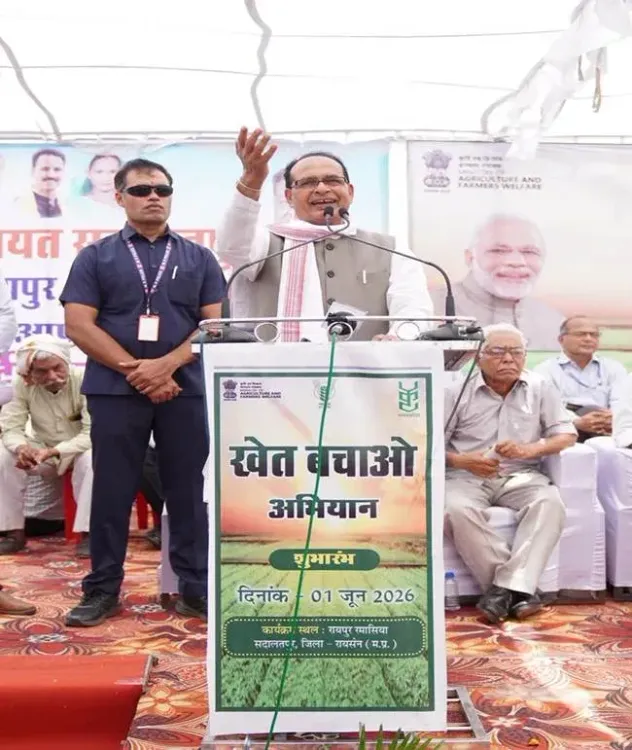
Shivraj Singh Chouhan launched the Khet Bachao Abhiyan on 1 June from Ramasiya village, Raisen district, Madhya Pradesh .
The month-long campaign promotes soil testing, Soil Health Cards, natural farming , and balanced fertiliser use across India.
Excessive chemical use reduces soil fertility, destroys beneficial microorganisms, and raises cultivation costs, according to the minister.
Special field demonstrations will cover soybean, paddy, and pulse crops, with training on laser levellers and water-efficient farming.
The campaign also targets awareness against counterfeit fertilisers and pesticides and links women to income opportunities via Self-Help Groups .
Benefits of Central and State Government schemes will be extended to farmers through the campaign.
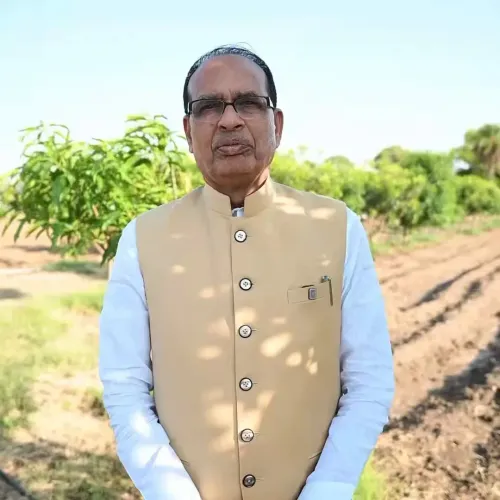
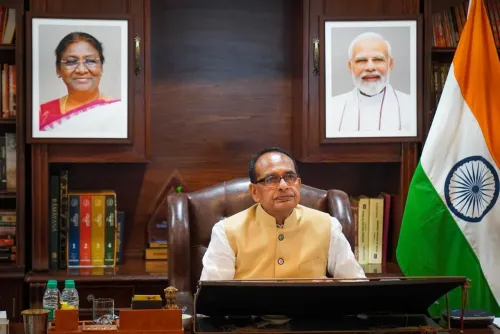
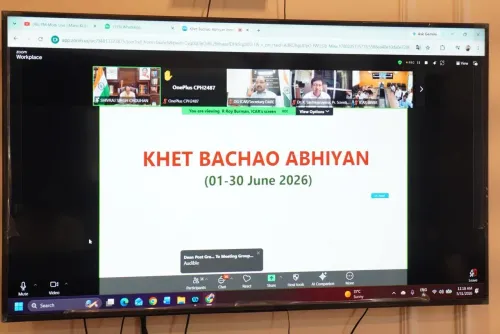
Union Minister for Agriculture & Farmers Welfare Shivraj Singh Chouhan on 1 June launched the nationwide 'Khet Bachao Abhiyan' from Ramasiya village in Raisen district, Madhya Pradesh, urging farmers across India to adopt balanced fertiliser use and scientific soil management. The month-long campaign carries a central message: protect the soil, and agriculture — along with the farmers who depend on it — will flourish.
What the Campaign Covers
The Khet Bachao Abhiyan is designed as a grassroots awareness drive, with agricultural scientists, faculty from agricultural universities, officials of Krishi Vigyan Kendras, agriculture department teams, and elected representatives set to visit villages nationwide. Farmers will receive education on soil testing, balanced nutrient management, natural farming, modern sowing techniques, water conservation, and advanced agricultural practices.
Special field demonstrations will be organised for soybean, paddy, and pulse crops. Training will cover improved seeds, scientific sowing methods, and modern technologies such as laser levellers, with regular sessions supported by Krishi Vigyan Kendras and expert institutions.
The Case Against Indiscriminate Chemical Use
Chouhan cautioned that the excessive application of chemical fertilisers and pesticides reduces soil fertility and destroys beneficial microorganisms, directly suppressing agricultural productivity while raising cultivation costs. He stressed that fertilisers — even those supplied at subsidised rates by the government — should be applied only after determining actual soil requirements through scientific testing.
'Sustainable agriculture depends on the judicious and balanced application of fertilisers,' Chouhan said, according to a statement issued by the Agriculture Ministry. He added that making agriculture more profitable remains a key priority of the Government of India.
Soil Health Cards at the Centre
A core plank of the campaign is ensuring that every farmer possesses a Soil Health Card, enabling fertiliser application based on the land's verified nutritional needs. According to the minister, this approach will simultaneously reduce cultivation costs, enhance productivity, and preserve long-term soil fertility — outcomes that excessive chemical use actively undermines.
The campaign will also raise awareness against counterfeit fertilisers and pesticides, and guide farmers on crop selection, seed varieties suited to local agro-climatic conditions, seed treatment methods, and the use of green manure to improve soil health. Benefits of Central and State Government schemes will be extended to farmers through the campaign.
Women, Youth, and Rural Development
Chouhan linked the campaign's scope to broader rural welfare. Women will be connected to employment and income-generation activities through Self-Help Groups, with eligible participants receiving training, financial support, and opportunities to start small enterprises. Youth will be offered guidance and skill development opportunities. The minister observed that rural development encompasses employment and self-reliance within villages — not merely roads and basic infrastructure.
What Comes Next
With the campaign running through the month, its reach will depend on the on-ground mobilisation of agricultural institutions and state machinery. The government's ability to translate awareness into measurable changes in fertiliser application patterns — and ultimately in soil health indicators — will determine whether the Khet Bachao Abhiyan moves beyond a campaign into a durable shift in farming practice.
Point of View
Yet fertiliser overuse has persisted, partly because subsidised availability removes the price signal that would otherwise incentivise restraint. The campaign's impact will hinge on whether it drives a measurable uptick in soil test adoption and card utilisation — metrics the Agriculture Ministry has historically been reluctant to report with granularity. Linking women's Self-Help Groups and youth skill development to an agronomic campaign is an ambitious bundling; whether it dilutes the soil-health focus or amplifies rural reach is the real operational question.
NationPress
23 Sept 2026
Frequently Asked Questions
What is the Khet Bachao Abhiyan?
The Khet Bachao Abhiyan is a month-long nationwide campaign launched by Agriculture Minister Shivraj Singh Chouhan on 1 June to promote soil testing, balanced fertiliser use, natural farming, and water conservation among Indian farmers. It was inaugurated from Ramasiya village in Raisen district, Madhya Pradesh.
Why is the government discouraging excessive fertiliser use?
According to Chouhan, overuse of chemical fertilisers and pesticides depletes soil fertility, kills beneficial microorganisms, reduces agricultural productivity, and increases cultivation costs. The campaign urges farmers to apply fertilisers only after scientifically testing their soil's actual nutritional needs.
What is a Soil Health Card and why does it matter?
A Soil Health Card is a government-issued document that records the nutrient status of a farmer's land and recommends appropriate fertiliser doses. The campaign aims to ensure every farmer has one, so that fertiliser application is need-based rather than indiscriminate, reducing costs and preserving long-term soil health.
Who will implement the Khet Bachao Abhiyan at the village level?
Agricultural scientists, faculty from agricultural universities, Krishi Vigyan Kendra officials, agriculture department teams, and public representatives will visit villages across the country to educate farmers and conduct field demonstrations on crops such as soybean, paddy, and pulses.
How does the campaign address women and rural youth?
The campaign plans to connect women to employment and income-generation activities through Self-Help Groups, offering training, financial support, and small enterprise opportunities. Youth will receive guidance and skill development support, reflecting the government's view that rural development includes generating self-reliance within villages.