Shivraj Singh Chouhan urges farmers to join Khet Bachao Abhiyan

Synopsis
Union Agriculture Minister Shivraj Singh Chouhan on 20 June 2026 urged farmers to join the government's Khet Bachao Abhiyan, invoking PM Modi's call to protect soil health, cut chemical fertiliser use, and embrace natural farming — linking the drive to the PM-KISAN beneficiary network.
Key Takeaways
Union Agriculture Minister Shivraj Singh Chouhan promoted the Khet Bachao Abhiyan on 20 June 2026 , framing it as a national duty to protect agricultural land.
The campaign's three pillars are: protecting soil health , reducing chemical fertiliser use, and adopting natural farming .
The post quotes Prime Minister Narendra Modi and is tagged #PMKISAN , linking the drive to the scheme that provides ₹6,000 annual support to farmer families.
The initiative builds on earlier programmes including the Soil Health Card Scheme and Paramparagat Krishi Vikas Yojana , both launched in 2015 .
Small and marginal farmers are the primary target audience, with soil degradation from chemical inputs a key concern the campaign seeks to address.
State-level rollout of natural-farming clusters and possible integration with PM-KISAN records are key developments to watch.
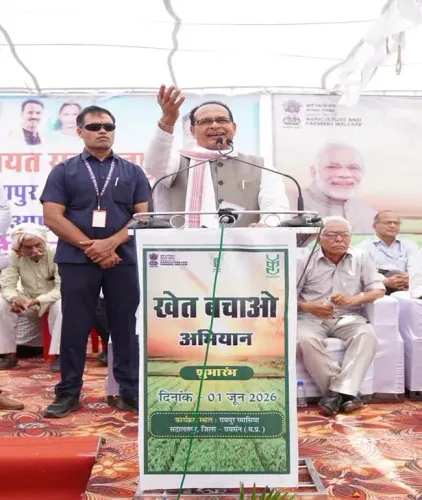
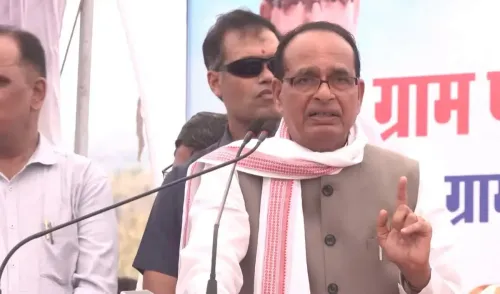
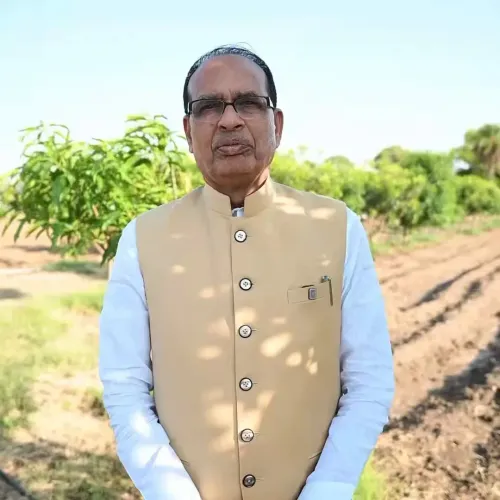
Union Agriculture Minister Shivraj Singh Chouhan on Saturday, 20 June 2026 called on farmers across India to join the central government's Khet Bachao Abhiyan (Save the Farm Campaign), urging them to pledge soil conservation, reduce chemical fertiliser use, and adopt natural farming practices. Invoking a call attributed to Prime Minister Narendra Modi, Chouhan framed the campaign as a collective duty to protect the nation's agricultural land.
Context
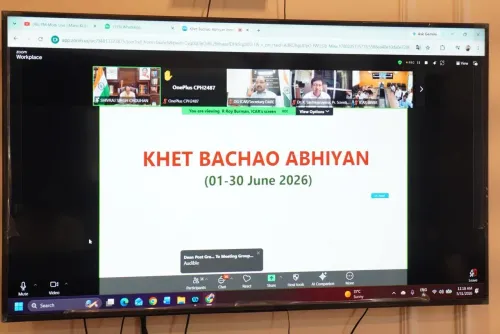
Posting on X, Chouhan quoted Prime Minister Modi's appeal directly: 'हमें हमारी धरती माता को बचाना है' ('We must save our Mother Earth'). He described the Khet Bachao Abhiyan as a running initiative of the Government of India focused on three pillars — protecting soil health, cutting chemical fertiliser dependence, and promoting natural farming. The post was tagged with #PMKISAN, linking the campaign to the flagship direct-benefit scheme for farmers.
Chouhan urged citizens to join the campaign 'in the largest possible numbers', take a personal pledge to protect their own fields, and inspire neighbouring farmers to do the same. The message positions soil conservation not merely as an agricultural policy but as a patriotic and environmental obligation.
Policy Backdrop
The campaign draws on a decade-long policy lineage. The Soil Health Card Scheme, launched in 2015, created a nationwide infrastructure to test soil samples and advise farmers on balanced fertiliser use. In the same year, the Paramparagat Krishi Vikas Yojana introduced cluster-based organic farming promotion to systematically reduce chemical inputs.
Natural farming received renewed emphasis in the Union Budget 2022-23, with subsequent policy addresses reinforcing the shift toward chemical-free agriculture. The PM-KISAN scheme, operational since 2019, provides ₹6,000 annual direct income support to eligible landholding farmer families and has become a platform through which sustainable-agriculture messaging is increasingly channelled. The #PMKISAN hashtag in the post signals an intent to connect the Khet Bachao Abhiyan's outreach with this established beneficiary network.
Stakeholders and Impact
Small and marginal farmers — who constitute the overwhelming majority of India's cultivator population — are the primary audience for this campaign. Decades of high chemical-input farming have contributed to soil degradation, falling organic matter content, and reduced long-term productivity across several major agricultural states. Natural farming and organic transitions are presented as both an environmental remedy and a cost-reduction measure for these households.
For the broader agricultural ecosystem, the campaign signals continued government pressure on fertiliser consumption patterns at a time when chemical fertiliser subsidies represent a significant fiscal burden. Encouraging behavioural change at the farm level, if scaled, could ease subsidy expenditure while aligning with India's international sustainable-development commitments.
What's Next
Attention will now turn to how the Khet Bachao Abhiyan is operationalised at the state level — whether natural-farming clusters are expanded under existing schemes, and whether campaign participation data is integrated with PM-KISAN records to track uptake among beneficiaries. Parliamentary questions on chemical-fertiliser reduction targets and budget allocations for organic-farming programmes in the coming legislative session will offer clearer signals of the initiative's institutional depth.
If the campaign succeeds in mobilising farmers at scale, it could mark a meaningful inflection point in India's long-running effort to rebalance its agriculture away from chemical dependency — a transition that soil scientists and climate-resilience advocates have long argued is overdue.
Point of View
The communication reinforces the PM's personal brand as a champion of farmers and the environment simultaneously. The explicit linkage of soil conservation to 'Mother Earth' taps into cultural resonance that transcends policy language, potentially broadening the campaign's appeal beyond conventional agricultural outreach. Whether this translates into measurable reductions in chemical fertiliser consumption — a metric with both fiscal and ecological consequences — will determine if the Khet Bachao Abhiyan is substantive policy or sustained symbolism.
NationPress
19 Sept 2026
Frequently Asked Questions
What is the Khet Bachao Abhiyan?
The Khet Bachao Abhiyan, or Save the Farm Campaign, is a Government of India initiative focused on protecting soil health, reducing chemical fertiliser use, and promoting natural farming among Indian cultivators.
What did Shivraj Singh Chouhan say about Khet Bachao Abhiyan?
Union Agriculture Minister Shivraj Singh Chouhan urged farmers on 20 June 2026 to join the Khet Bachao Abhiyan in large numbers, take a pledge to protect their own fields, and inspire neighbouring farmers to do the same, citing PM Modi's call to protect Mother Earth.
How is Khet Bachao Abhiyan related to PM-KISAN?
The campaign post was tagged with #PMKISAN, signalling that the government intends to reach the scheme's large beneficiary base — landholding farmer families receiving ₹6,000 annually — with its soil conservation and natural farming messaging.
What is natural farming and why is the government promoting it?
Natural farming refers to chemical-free agricultural practices that rely on locally available inputs rather than synthetic fertilisers and pesticides. The government promotes it to address soil degradation, reduce the fiscal burden of fertiliser subsidies, and align with sustainable-development goals.
What earlier schemes support soil health and organic farming in India?
The Soil Health Card Scheme, launched in 2015, tests soil samples and advises balanced fertiliser use, while the Paramparagat Krishi Vikas Yojana, also from 2015, promotes organic farming through cluster-based programmes — both forming the policy foundation for the current campaign.