Shivraj Urges Farmers to Try Natural Farming on Part of Land
Synopsis
Union Agriculture Minister Shivraj Singh Chouhan on 26 June 2026 personally appealed to Indian farmers to adopt natural farming on even a small part of their land, saying it will protect the soil. The message reinforces the Centre's long-running push under PKVY and BPKP for chemical-free agriculture.
Key Takeaways
Shivraj Singh Chouhan posted a direct personal appeal to farmers on 26 June 2026 urging adoption of natural farming on a portion of their land.
He stressed that natural farming will 'save the earth', framing soil protection as a core reason to make the shift.
The Paramparagat Krishi Vikas Yojana (PKVY) , launched in 2015 , and its 2020 sub-programme BPKP form the central policy backbone for this push.
Zero Budget Natural Farming , piloted in Andhra Pradesh , has served as a reference model for national scale-up efforts.
The appeal targets small and marginal farmers who face the highest input costs and soil-degradation risks.
Revised PKVY guidelines and state budget allocations in the upcoming agricultural season will indicate whether the appeal is matched by fresh financial support.
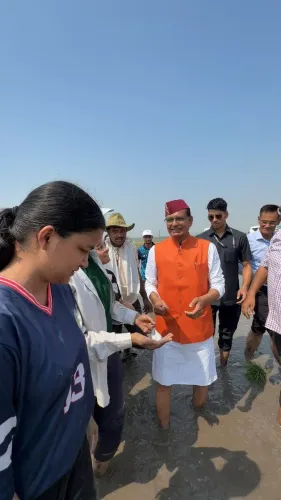
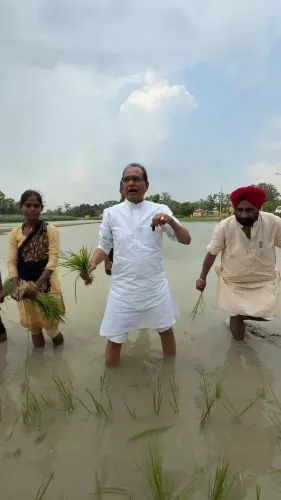
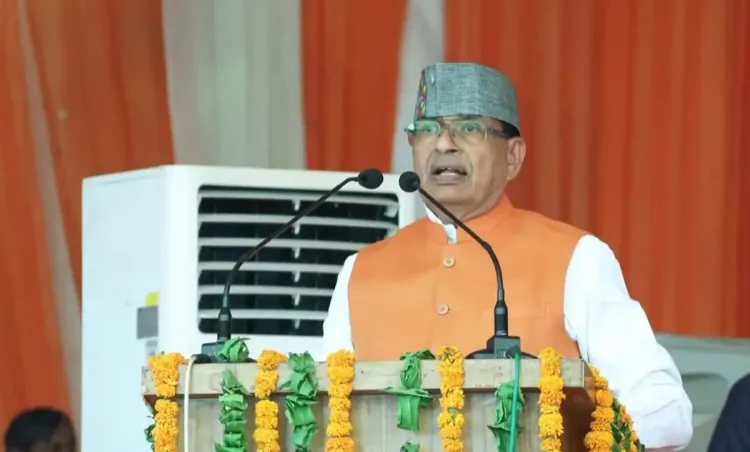
Union Agriculture Minister Shivraj Singh Chouhan on Friday, 26 June 2026 appealed to farmers across India to dedicate at least a small portion of their land to natural farming, warning that the practice is essential to protecting the soil itself.
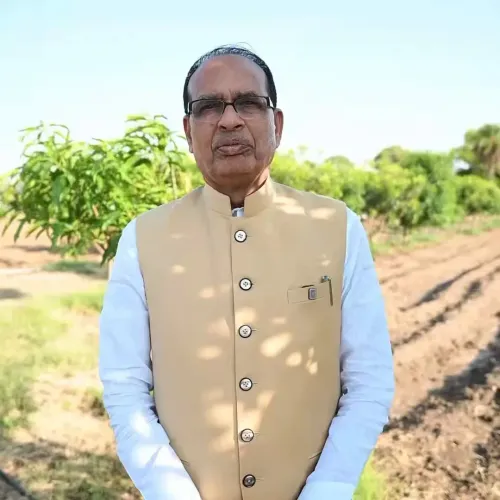
In a message addressed directly to the farming community, Chouhan wrote: 'mere kisan bhaiyon-bahnon, aap sabse prarthana hai ki apni zameen ke ek chhote hisse mein prakritik kheti zaroor karein, prakritik kheti apni dharti ko bhi bachayegi' — ('My farmer brothers and sisters, I urge you all to please try natural farming on even a small part of your land; natural farming will also save our earth.')
Context
The appeal comes amid growing concern over soil degradation driven by decades of heavy chemical fertiliser and pesticide use in Indian agriculture. Chouhan, who holds the twin portfolios of Agriculture and Rural Development, has consistently positioned natural and organic farming as a centrepiece of his ministerial agenda since taking charge at the Centre.
The post, shared with a video, was directed personally at 'kisan bhaiyon-bahnon' (farmer brothers and sisters) — a form of address that underscores the minister's long-cultivated image as a farmer-friendly leader, built over four terms as Chief Minister of Madhya Pradesh.
Policy Backdrop
The government's push for natural farming is not new. The Paramparagat Krishi Vikas Yojana (PKVY), launched in 2015, was designed to promote organic and natural farming through a cluster-based approach and participatory guarantee system certification. In 2020, the Bharatiya Prakritik Krishi Paddhati (BPKP) programme was introduced as a sub-component of PKVY, specifically to expand chemical-free natural farming practices at scale.
Zero Budget Natural Farming (ZBNF), popularised by agronomist Subhash Palekar and piloted extensively in Andhra Pradesh, has served as a reference model for these central programmes. The convergence of state-level pilots with central scheme funding reflects a broader policy consensus around reducing input costs for small farmers while restoring soil health.
Stakeholders and Impact
The primary beneficiaries of a natural farming transition are small and marginal farmers, who bear a disproportionate burden of input costs and are most exposed to soil exhaustion over successive cropping seasons. Natural farming methods — which rely on on-farm biological inputs rather than synthetic chemicals — promise lower recurring costs once the transition period is managed.
Rural communities dependent on groundwater are also directly affected: reduced chemical runoff is linked to improved water quality in agricultural belts. Chouhan's message, framed as a personal appeal rather than a policy directive, is calibrated to encourage voluntary adoption without mandating a disruptive overnight shift.
What's Next
Attention will now turn to whether this appeal is backed by fresh budgetary support or expanded cluster targets under revised PKVY guidelines in the coming agricultural season. State governments, particularly those with large smallholder populations, will be watched for corresponding announcements on natural farming incentives. The minister's continued public messaging on soil health signals that natural farming is likely to remain a defining theme of the Agriculture Ministry's communications through the current crop cycle.
Point of View
Lending the message moral weight beyond routine scheme promotion. Sustained ministerial messaging of this kind typically precedes or accompanies scheme revisions, suggesting a policy move may be in the pipeline.
NationPress
25 Sept 2026
Frequently Asked Questions
What did Agriculture Minister Shivraj Singh Chouhan say about natural farming?
On 26 June 2026, Chouhan appealed to farmers to practise natural farming on at least a small part of their land, saying it will protect the soil.
What is natural farming and how is it different from organic farming?
Natural farming relies entirely on on-farm biological inputs such as cow dung and plant-based preparations, eliminating purchased inputs altogether, whereas organic farming may still use certified external inputs. The government promotes it through the Bharatiya Prakritik Krishi Paddhati programme under PKVY.
What government scheme supports natural farming in India?
The Paramparagat Krishi Vikas Yojana, launched in 2015, and its 2020 sub-component the Bharatiya Prakritik Krishi Paddhati programme are the primary central government schemes supporting natural and chemical-free farming in India.
What is Zero Budget Natural Farming?
Zero Budget Natural Farming is a chemical-free, low-cost farming method popularised by agronomist Subhash Palekar. It was piloted at scale in Andhra Pradesh and has influenced central government natural farming programmes.
Why is Shivraj Singh Chouhan promoting natural farming?
As Union Agriculture Minister, Chouhan has made soil health and reduced chemical dependence key priorities. His appeal reflects both the Centre's existing policy framework under PKVY and broader concerns about long-term land degradation affecting Indian farmers.