India-Israel development ties: MASHAV talks, Modi-Netanyahu call, FTA push
Synopsis
Within days, India's ambassador held technical talks with MASHAV in Jerusalem on agriculture and aquaculture, PM Modi and Netanyahu spoke by phone on the Special Strategic Partnership, and a second round of FTA negotiations concluded in New Delhi — signalling that India-Israel ties are advancing on diplomatic, technical, and trade tracks simultaneously, even as West Asia remains turbulent.
Key Takeaways
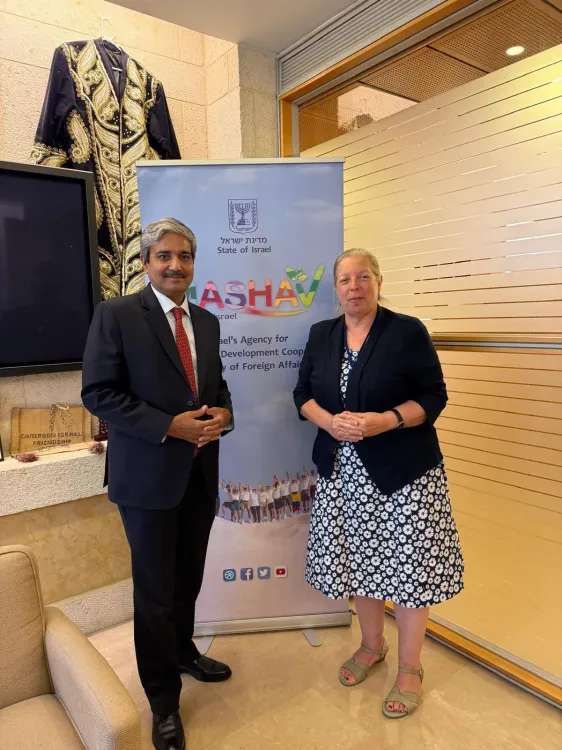
Ambassador JP Singh met MASHAV head Eynat Shlein in Jerusalem on 10 August to discuss agriculture, water, and aquaculture cooperation.
PM Modi and Israeli PM Benjamin Netanyahu spoke by phone, reviewing the India-Israel Special Strategic Partnership and the situation in West Asia .
The PMO confirmed both leaders reaffirmed commitment to bilateral cooperation and 'agreed to remain in touch.' India and Israel concluded the second round of FTA negotiations in July 2025 at Vanijya Bhawan, New Delhi .
MASHAV's focus areas — drip irrigation, precision agriculture, desalination — address critical Indian rural and climate priorities.
India's Ambassador to Israel, JP Singh, met Eynat Shlein, Head of MASHAV — Israel's Agency for International Development Cooperation — in Jerusalem on Monday, 10 August, to advance the bilateral development partnership across agriculture, water management, and aquaculture. The meeting signals a deliberate broadening of India-Israel cooperation beyond defence and trade into technical knowledge-sharing.
What Was Discussed at the MASHAV Meeting
According to the Indian Embassy in Israel, the talks covered the wide-ranging India-Israel development partnership facilitated through MASHAV, with specific focus on Centres of Excellence in agriculture, capacity-building in agriculture and water, and new avenues in aquaculture. Both sides exchanged views on further expanding and deepening the partnership.
MASHAV, operating under Israel's Ministry of Foreign Affairs, was established to help other nations overcome development challenges by sharing the technologies and expertise that underpinned Israel's own growth — particularly in arid-zone agriculture and water conservation, areas of direct relevance to India.
Modi-Netanyahu Phone Call Reinforces Strategic Ties
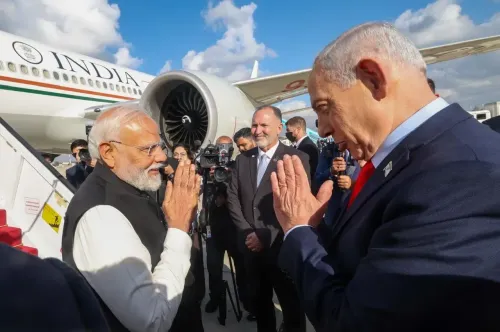
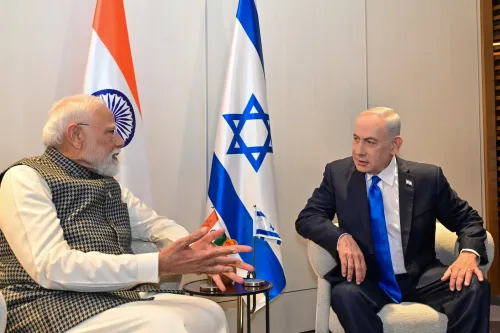
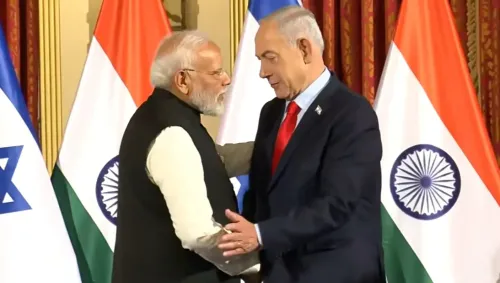
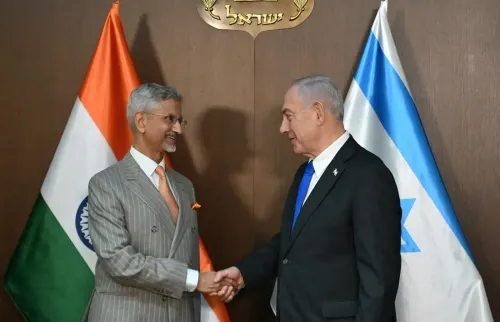
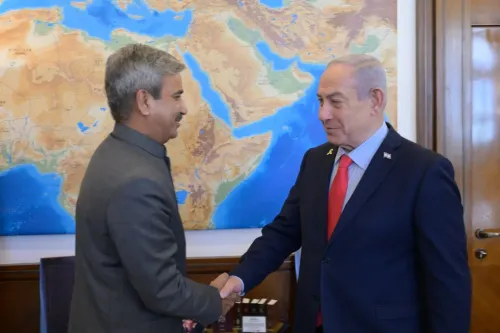
The MASHAV-level engagement came days after Prime Minister Narendra Modi received a phone call from Israeli Prime Minister Benjamin Netanyahu on Thursday evening. The two leaders reviewed progress on the India-Israel Special Strategic Partnership and discussed the current situation in West Asia.
'Received a phone call from Prime Minister Benjamin Netanyahu. We reviewed progress on various aspects of the India-Israel Special Strategic Partnership, which continues to grow from strength to strength. We also exchanged views on the current situation in West Asia,' Modi posted on X following the call.
The Prime Minister's Office (PMO) confirmed that the leaders reaffirmed their commitment to strengthening bilateral cooperation across sectors for mutual benefit, and 'agreed to remain in touch.'
FTA Negotiations Gain Momentum
The diplomatic activity builds on a significant trade milestone: in July 2025, India and Israel successfully concluded the second round of negotiations for a proposed India-Israel Free Trade Agreement (FTA), held at Vanijya Bhawan, New Delhi. Both delegations held constructive discussions across key chapters and reaffirmed their commitment to an early conclusion of a balanced and mutually beneficial agreement.
This comes amid a broader push by India to lock in bilateral FTAs with strategic partners, having recently concluded or advanced deals with the UAE, UK, and several ASEAN nations.
Why This Matters
The convergence of ambassador-level technical talks, a direct Modi-Netanyahu call, and active FTA negotiations within weeks of each other points to a structured, multi-track approach to deepening India-Israel ties. Notably, Israel's expertise in drip irrigation, precision agriculture, and desalination addresses some of India's most pressing rural and climate challenges — making MASHAV cooperation strategically valuable beyond its diplomatic optics.
With West Asia remaining volatile, India's engagement with Israel also carries a geopolitical dimension, as New Delhi seeks to maintain working relationships across the region's competing blocs. All eyes will now be on the timeline for the FTA's third negotiating round and whether the Centres of Excellence model is expanded to additional Indian states.
Point of View
A direct Modi-Netanyahu call, and active FTA negotiations is not coincidental — it reflects a deliberate Indian strategy of multi-track engagement with Israel even as New Delhi carefully manages its relationships across a fractured West Asia. What mainstream coverage underplays is the MASHAV dimension: Israel's agricultural and water technology is among the most proven globally, and embedding it in Indian Centres of Excellence could deliver compounding rural dividends. The FTA, however, remains the real test — two rounds of negotiations without a concluded deal suggests the gap on sensitive chapters, likely pharmaceuticals and services, is wider than official statements let on.
NationPress
11 Aug 2026
Frequently Asked Questions
What is MASHAV and why does it matter for India?
MASHAV is Israel's Agency for International Development Cooperation, operating under its Ministry of Foreign Affairs. It shares Israeli expertise in agriculture, water management, and technology with partner nations — areas highly relevant to India's rural development and climate adaptation challenges.
What did India and Israel discuss at the MASHAV meeting on 10 August?
Ambassador JP Singh and MASHAV head Eynat Shlein discussed the India-Israel development partnership, including existing Centres of Excellence in agriculture, capacity-building in agriculture and water, and new cooperation avenues in aquaculture.
What did PM Modi and Benjamin Netanyahu discuss in their phone call?
The two leaders reviewed progress on the India-Israel Special Strategic Partnership and exchanged views on the current situation in West Asia. The PMO said both leaders reaffirmed their commitment to strengthening bilateral cooperation and agreed to remain in touch.
Where do India-Israel Free Trade Agreement talks stand?
India and Israel completed the second round of FTA negotiations in July 2025 at Vanijya Bhawan, New Delhi. Both sides held constructive discussions across key chapters and committed to an early conclusion of a balanced and mutually beneficial agreement.
Why is India deepening ties with Israel despite tensions in West Asia?
India maintains a multi-alignment foreign policy, engaging with partners across geopolitical divides. Israel offers strategic value in defence, agriculture, and water technology, while the FTA could open new trade corridors — making the partnership beneficial independent of regional dynamics.