PM Modi's Israel Visit: Strengthening Defense, Trade, and Innovation
Synopsis
Prime Minister Modi's upcoming visit to Israel aims to enhance cooperation in defense, trade, and innovation. The meeting with PM Netanyahu and ongoing FTA negotiations signal a commitment to deepening bilateral ties.
Key Takeaways
PM Modi's visit aims to enhance bilateral cooperation.
Discussions will focus on defense, trade, and innovation.
Negotiations for the India-Israel FTA are ongoing.
Complementary strengths exist in technology and agriculture.
The FTA could significantly boost bilateral trade.
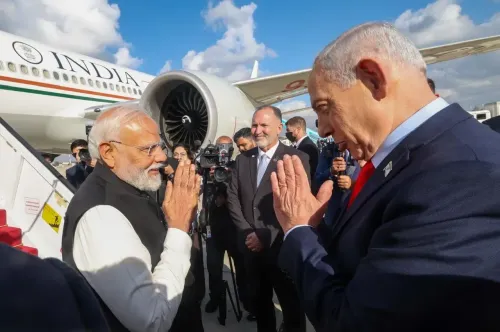
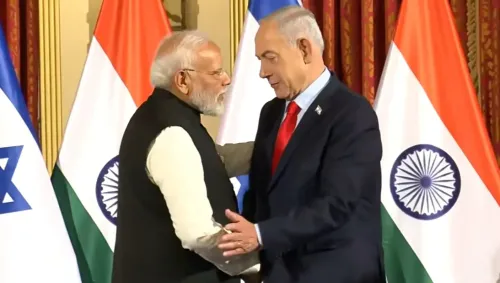
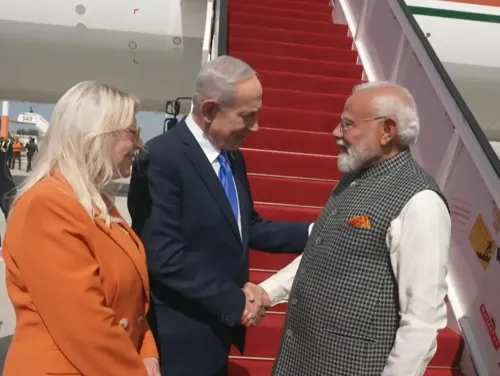
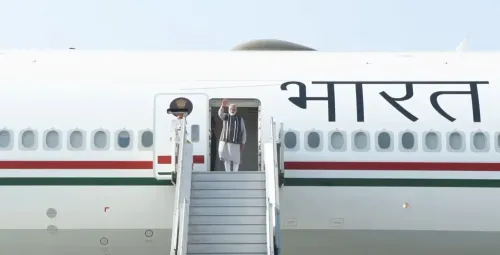
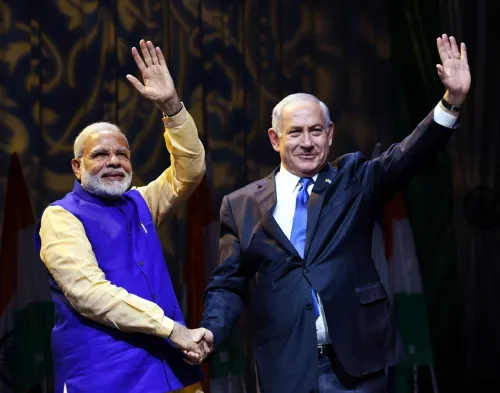
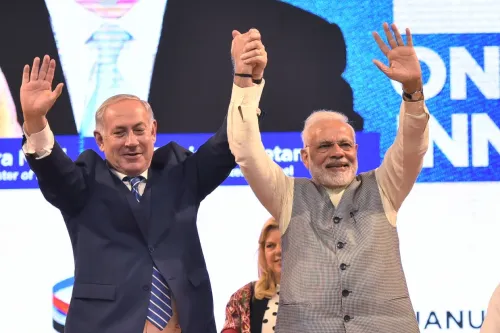
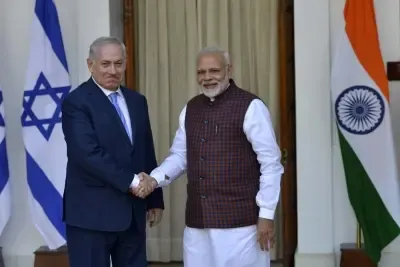
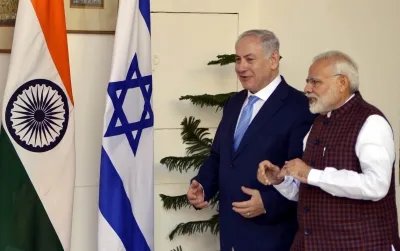
New Delhi, Feb 25 (NationPress) Prime Minister Narendra Modi is set to embark on a visit to Israel this Wednesday, where he will engage in discussions with Israeli Prime Minister Benjamin Netanyahu. The aim is to bolster bilateral cooperation in key areas such as defense and security, trade and economic relations, as well as innovation.
On the preceding Tuesday, the Ministry of External Affairs (MEA) confirmed the visit. They noted that this marks PM Modi's second visit to Israel and highlighted, “During this trip, the PM will meet with Israeli Prime Minister Benjamin Netanyahu. The two leaders will assess the considerable advancements made in the India-Israel Strategic Partnership and explore further collaboration opportunities in diverse fields including science and technology, innovation, defense and security, agriculture, water management, trade and economy, along with people-to-people exchanges.
Additionally, PM Modi is also expected to meet with Israel’s President Isaac Herzog.
Concurrent with PM Modi's visit, the first round of negotiations for the anticipated India-Israel Free Trade Agreement (FTA) commenced in New Delhi, set to run until February 26, as reported by the Ministry of Commerce and Industry.
The ministry emphasized that the timing of these talks injects new energy into the economic ties between both nations.
The Terms of Reference (ToR) for the FTA were established in November 2025, paving the way for structured discussions aimed at enhancing trade and economic cooperation.
The FTA is anticipated to offer increased certainty and predictability for businesses, particularly benefiting micro, small, and medium enterprises (MSMEs), while unlocking new opportunities across various sectors.
India and Israel share complementary strengths in domains such as innovation, science and technology, artificial intelligence, cybersecurity, high-tech manufacturing, agriculture, and services.
The ministry is optimistic that the agreement could significantly enhance bilateral trade by leveraging these synergies.
India’s Chief Negotiator Ajay Bhadoo, Additional Secretary in the Department of Commerce, emphasized the necessity of creating a balanced and progressive agreement that mirrors the evolving partnership between the two countries.
In parallel, Israel’s Chief Negotiator Yifat Alon Perel, Senior Director for Trade Policy and Agreements and Deputy Trade Commissioner at Israel’s Ministry of Economy and Industry, remarked that the FTA holds the promise to strengthen supply chains, boost cooperation, and open new markets for both nations.
Point of View
I reflect on the importance of PM Modi's visit to Israel, which reinforces India's commitment to enhancing its strategic partnerships. The focus on defense, trade, and innovation highlights the evolving geopolitical landscape and the need for collaborative growth.
NationPress
2 Oct 2026
Frequently Asked Questions
What is the purpose of PM Modi's visit to Israel?
The visit aims to strengthen bilateral cooperation in defense, trade, economic relations, and innovation.
When did the negotiations for the India-Israel FTA begin?
The first round of negotiations for the India-Israel Free Trade Agreement commenced in New Delhi and will continue until February 26.
Who is PM Modi meeting during his Israel visit?
PM Modi is scheduled to meet with Israeli Prime Minister Benjamin Netanyahu and President Isaac Herzog.
What sectors are expected to benefit from the FTA?
The FTA is expected to benefit sectors such as agriculture, technology, and small and medium enterprises.
How will the FTA impact bilateral trade?
The FTA is anticipated to significantly boost bilateral trade by leveraging the complementary strengths of both countries.