Prime Minister Modi's Israel Visit Coincides with FTA Negotiations
Synopsis
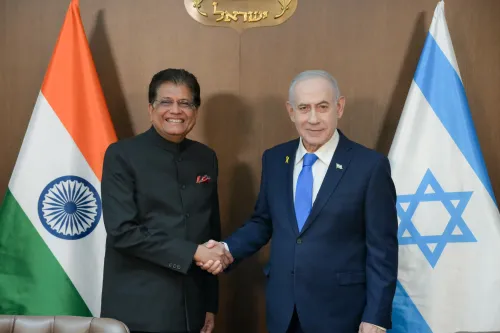
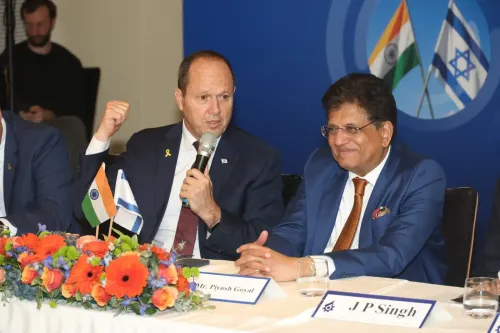
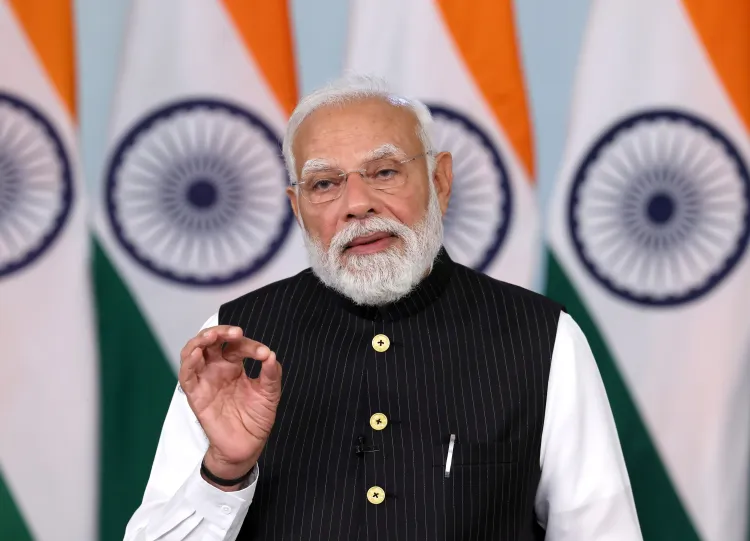
As the first round of India-Israel Free Trade Agreement negotiations kicks off in New Delhi, PM Modi's visit to Israel on February 25-26 adds significant momentum to economic ties. The expected FTA could enhance trade opportunities and strengthen bilateral relations between the two nations.
Key Takeaways
Inaugural negotiations for the India-Israel FTA commenced on February 24, 2024.
The talks coincide with PM Modi's visit to Israel on February 25-26.
The FTA aims to enhance trade and economic cooperation between the two nations.
India-Israel merchandise trade reached $3.62 billion in FY 2024-25.
Both countries have complementary strengths in various sectors.
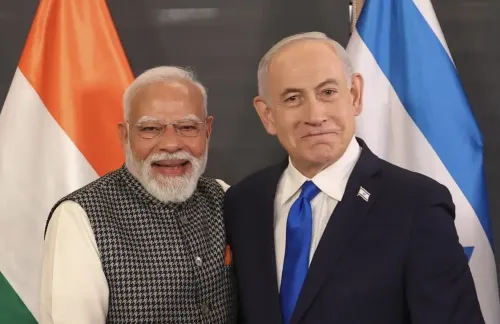
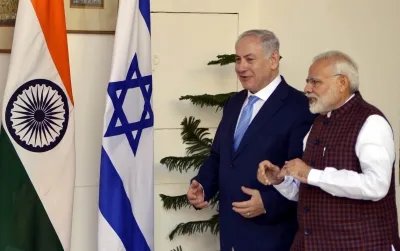
New Delhi, Feb 24 (NationPress) The inaugural round of discussions for the anticipated India-Israel Free Trade Agreement (FTA) commenced in New Delhi and is set to run until February 26. This timing aligns with Prime Minister Narendra Modi’s visit to Israel on February 25-26, as announced by the Ministry of Commerce and Industry on Tuesday.
The ministry emphasized that the schedule of these discussions brings renewed energy to strengthen economic relations between both nations.
The Terms of Reference (ToR) for this agreement were established in November 2025, forming a comprehensive framework for dialogue aimed at enhancing trade and economic collaboration.
The expected outcomes of the FTA include increased certainty and predictability for businesses, particularly benefiting micro, small, and medium enterprises (MSMEs), while also unlocking fresh opportunities across various sectors.
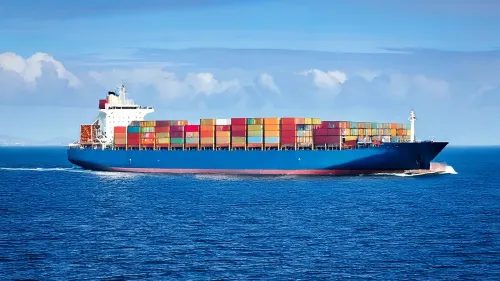
In the fiscal year 2024-25, the total merchandise trade between India and Israel reached a notable $3.62 billion. Both countries possess complementary advantages in fields such as innovation, science and technology, artificial intelligence, cybersecurity, high-tech manufacturing, agriculture, and services.
The ministry is optimistic that this agreement could significantly elevate bilateral trade by capitalizing on these synergies.
During the introductory session, Commerce Secretary Rajesh Agrawal remarked that the negotiations were initiated at a timely juncture, coinciding with the Prime Minister’s visit to Israel.
He underscored the immense potential for collaboration in cutting-edge technology sectors, asserting that the FTA would enable both parties to fully harness emerging opportunities.
Technical experts from both nations are actively engaged in in-depth discussions during this negotiation round.
The agenda encompasses a diverse set of topics, including trade in goods and services, rules of origin, sanitary and phytosanitary measures, technical barriers to trade, customs procedures, trade facilitation, and intellectual property rights.
India’s Chief Negotiator Ajay Bhadoo, Additional Secretary in the Department of Commerce, highlighted the significance of crafting a balanced and forward-thinking agreement that mirrors the evolving partnership between the two countries.
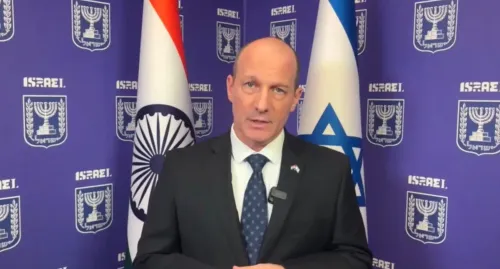
Israel’s Chief Negotiator Yifat Alon Perel, Senior Director for Trade Policy and Agreements and Deputy Trade Commissioner at Israel’s Ministry of Economy and Industry, expressed that the FTA holds the potential to fortify supply chains, bolster cooperation, and unveil new markets for both nations.
Point of View
The ongoing negotiations for the India-Israel Free Trade Agreement signify a crucial step towards enhanced bilateral relations. The alignment of Prime Minister Modi's visit with the talks highlights the commitment to strengthening economic ties, fostering collaboration in technology, and addressing mutual interests in various sectors.
NationPress
30 Sept 2026
Frequently Asked Questions
What is the India-Israel Free Trade Agreement?
The India-Israel Free Trade Agreement (FTA) aims to enhance trade and economic cooperation between the two countries by reducing tariffs and facilitating smoother transactions in goods and services.
When did the negotiations for the FTA begin?
The first round of negotiations for the FTA commenced on February 24, 2024, and will continue until February 26, 2024.
What are the expected benefits of the FTA?
The FTA is expected to provide greater certainty for businesses, especially MSMEs, and unlock new opportunities in various sectors, potentially boosting bilateral trade.
How much trade currently exists between India and Israel?
In the fiscal year 2024-25, the total merchandise trade between India and Israel was approximately $3.62 billion.
Who are the chief negotiators for both countries?
India's Chief Negotiator is Ajay Bhadoo, and Israel's Chief Negotiator is Yifat Alon Perel.