India-Israel AI cooperation talks held in Tel Aviv on June 4
Synopsis
Less than four months after PM Modi and Netanyahu elevated ties to a Special Strategic Partnership, India and Israel have moved their AI agenda from MoU to directorate-level talks — a signal that the bilateral tech partnership is shifting from intent to execution, with civilian AI, education, and public-private partnerships all on the table.
Key Takeaways
India's Ambassador J P Singh met Israel National AI Directorate Head Erez Askal in Tel Aviv on 4 June to discuss AI cooperation.
The talks follow two MoUs signed during PM Modi's State Visit to Israel in February — one on AI cooperation and one on AI in education.
The AI MoU covers ethical AI, civilian applications, academic research, and public–private partnerships.
The education MoU focuses on AI-powered learning, teacher development, and equitable AI access.
India and Israel elevated bilateral ties to a Special Strategic Partnership during Modi's February visit.
President Droupadi Murmu and Israeli President Isaac Herzog reaffirmed the partnership in April on Israel's 78th Independence Day .
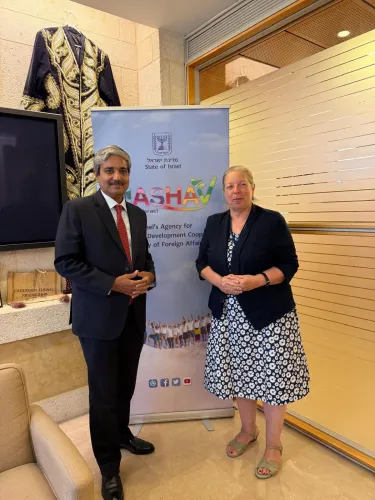
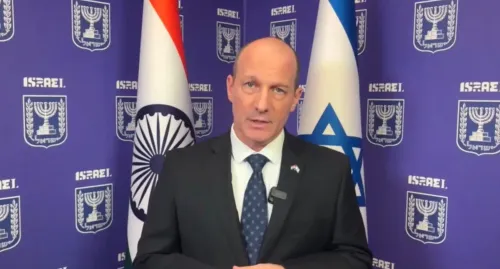
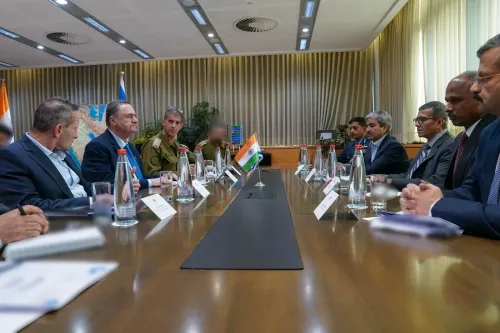
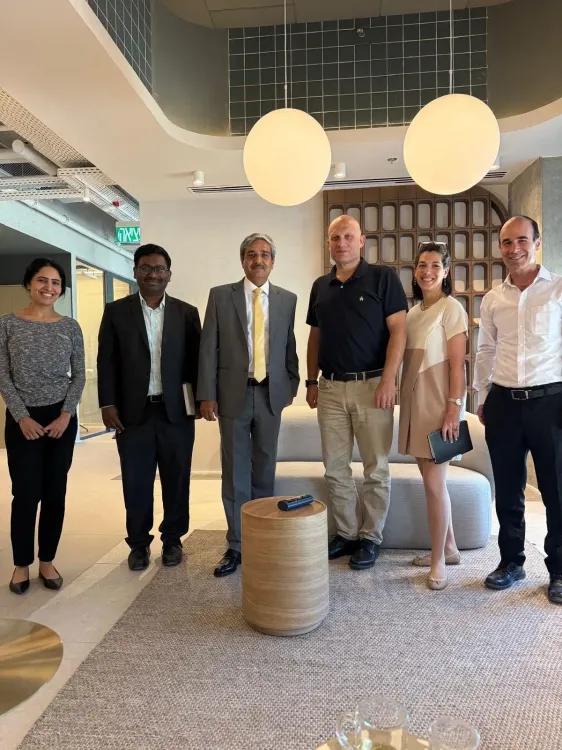
India and Israel on Thursday, 4 June held high-level discussions on deepening cooperation in Artificial Intelligence (AI), with both sides focusing on innovation, emerging technologies, and building partnerships that serve mutual interests. The talks took place in Tel Aviv between India's Ambassador to Israel, J P Singh, and Erez Askal, Head of the Israel National AI Directorate.
What Was Discussed
According to a post by the Indian Embassy in Israel on X, Ambassador Singh and Askal explored avenues for India–Israel AI cooperation centred on innovation, emerging technologies, and building partnerships that benefit both nations. The meeting signals a move from framework agreements to active implementation-level engagement on AI.
The MoU Foundation
The talks build on a formal foundation laid during Prime Minister Narendra Modi's two-day State Visit to Israel in February, when both countries signed a Memorandum of Understanding (MoU) on cooperation in AI. That agreement promotes collaboration in AI development and capacity building, supports ethical AI, covers applications in civilian sectors, academic research, and public–private partnerships for sustainable growth.
A second MoU signed during the same visit focused specifically on advancing education through AI — covering innovative pedagogy, teacher development, regulatory frameworks, equitable AI access, research exchange, and data literacy for inclusive, future-ready education.
Elevating the Bilateral Relationship
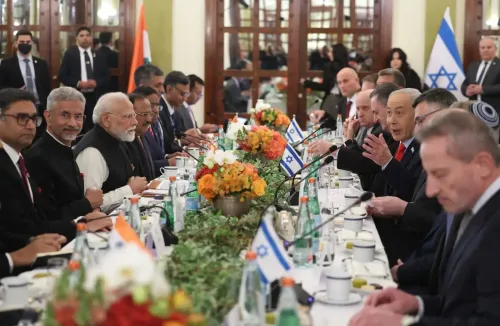
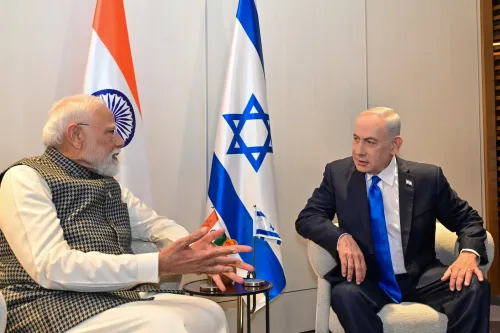
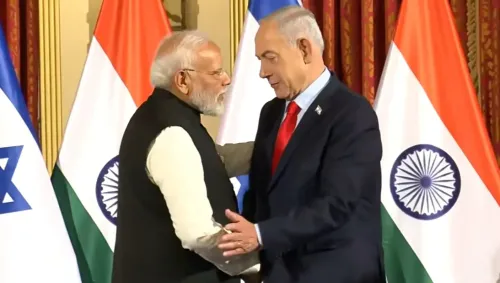
During the February visit, Prime Minister Modi held talks with Israeli Prime Minister Benjamin Netanyahu, and the two leaders agreed to elevate bilateral ties to a Special Strategic Partnership, giving greater momentum to cooperation across sectors.
In April, President Droupadi Murmu extended wishes to Israeli President Isaac Herzog on Israel's 78th Independence Day, reaffirming that the Special Strategic Partnership 'continues to grow stronger, reflecting the deep friendship and shared commitment of our two nations to peace, innovation and mutual prosperity,' according to the President's Secretariat's post on X. Herzog responded by expressing Israel's appreciation for the friendship and its readiness to strengthen cooperation across all fields.
Why This Matters
The June meeting marks a concrete step toward operationalising the AI MoUs signed in February. India and Israel are both recognised as technology-forward nations — India for its large AI talent pool and digital infrastructure push, and Israel for its deep-tech innovation ecosystem. Notably, this is the first known directorate-level engagement on AI between the two countries since the MoUs were inked, suggesting the bilateral AI agenda is moving from intent to implementation.
As both nations advance national AI strategies, the partnership could yield early results in civilian-sector applications, defence-adjacent technologies, and AI-driven education — areas where both sides have stated interests. Further working-group meetings are expected in the months ahead.
Point of View
Ethical frameworks, education, and public-private partnerships — which mirrors how both governments are structuring their domestic AI strategies. The harder question is execution: India's track record on converting bilateral tech MoUs into funded, time-bound programmes is mixed, and Israel's AI directorate is still a relatively young institution. The real test will be whether working groups, joint funding mechanisms, and verifiable deliverables follow in the months ahead — or whether this remains a high-level dialogue with no measurable output.
NationPress
20 Oct 2026
Frequently Asked Questions
What did India and Israel discuss in their June 4 AI meeting?
India's Ambassador to Israel, J P Singh, and Israel National AI Directorate Head Erez Askal met in Tel Aviv on 4 June to discuss avenues for India–Israel cooperation in Artificial Intelligence, focusing on innovation, emerging technologies, and building mutually beneficial partnerships.
What AI agreements did India and Israel sign earlier in 2025?
During PM Modi's State Visit to Israel in February, both countries signed two MoUs — one on AI cooperation covering ethical AI, civilian applications, and public-private partnerships, and another on advancing education through AI, focusing on pedagogy, teacher development, and equitable access.
What is the India-Israel Special Strategic Partnership?
The Special Strategic Partnership is an elevated bilateral framework agreed upon by PM Modi and Israeli PM Benjamin Netanyahu during Modi's February State Visit. It is designed to give greater momentum to cooperation across sectors including technology, defence, and innovation.
How does this AI cooperation benefit India?
The partnership gives India access to Israel's deep-tech innovation ecosystem and AI expertise, particularly in civilian applications and education technology. For India, it also supports its broader push to build international AI partnerships as it advances its own national AI strategy.
What role did President Droupadi Murmu play in India-Israel relations recently?
In April, President Murmu extended Independence Day wishes to Israeli President Isaac Herzog, reaffirming the Special Strategic Partnership. Herzog responded by expressing Israel's commitment to strengthening cooperation across all fields.