CM Dhami joins Khet Bachao Abhiyan, backs natural farming
Synopsis
Uttarakhand CM Pushkar Singh Dhami joined Union Agriculture Minister Shivraj Singh Chouhan at the Khet Bachao Abhiyan on 26 June 2026, calling on citizens to adopt natural farming and reduce chemical fertilizer use to protect soil and future generations.
Key Takeaways
Uttarakhand CM Pushkar Singh Dhami participated in the Khet Bachao Abhiyan programme on 26 June 2026 .
Union Agriculture Minister Shivraj Singh Chouhan co-attended the event, signalling central government backing.
The campaign promotes balanced and minimal chemical fertilizer use alongside a transition to natural farming.
The initiative is underpinned by central schemes including Paramparagat Krishi Vikas Yojana (2015) and the Soil Health Card Scheme (2015) .
Uttarakhand's fragile Himalayan soils make it a priority state for organic and natural farming transitions.
Broader implications include potential impact on India's annual fertilizer subsidy expenditure and long-term soil productivity.
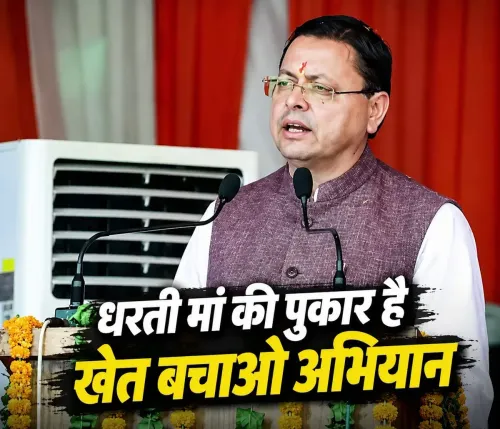
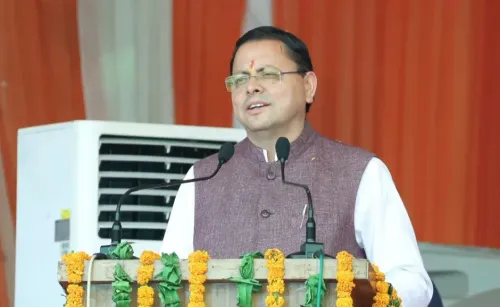
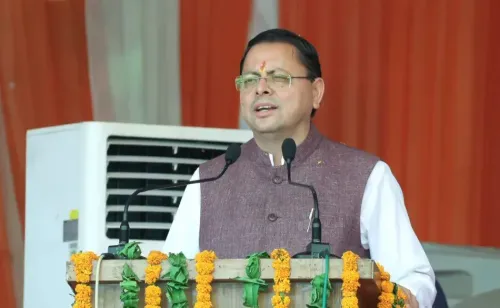
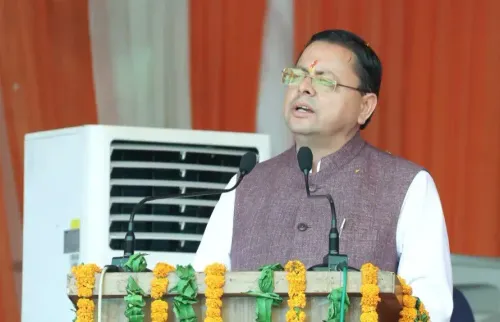
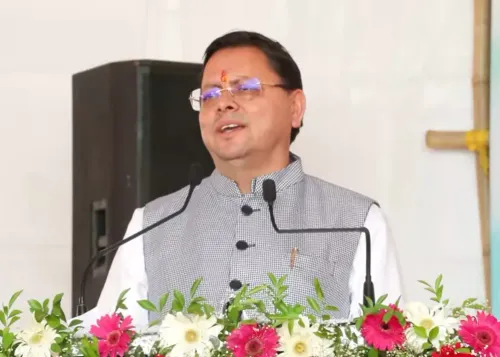
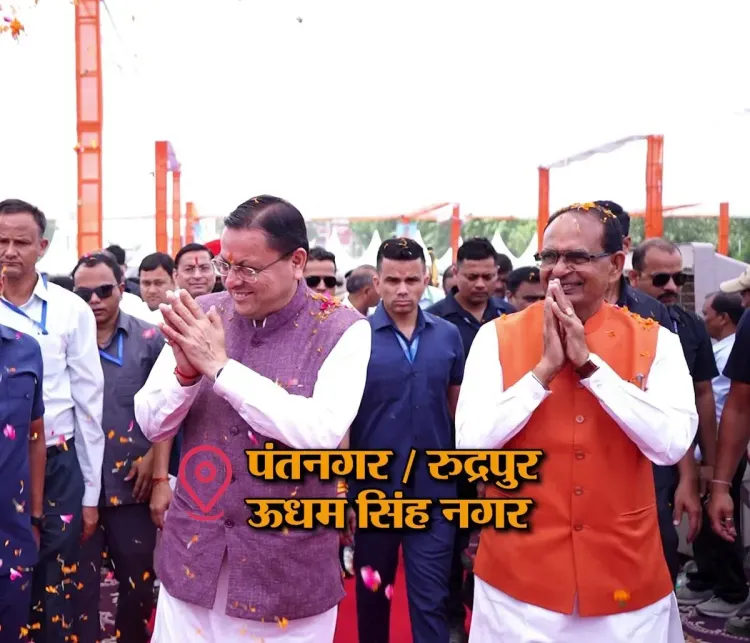
Uttarakhand Chief Minister Pushkar Singh Dhami participated in the 'Khet Bachao Abhiyan' programme alongside Union Minister of Agriculture and Farmers Welfare Shivraj Singh Chouhan on Friday, 26 June 2026, lending state-level momentum to a national campaign urging farmers to reduce chemical fertilizer use and adopt natural farming practices.
Context
Dhami, posting in Hindi on X, said participation in the event was a shared responsibility: 'रासायनिक उर्वरकों के संतुलित एवं न्यूनतम उपयोग तथा प्राकृतिक खेती को अपनाकर अपनी मिट्टी और आने वाली पीढ़ियों का भविष्य सुरक्षित बनाना हम सभी का दायित्व है' ('It is the responsibility of all of us to secure the future of our soil and coming generations by adopting balanced and minimal use of chemical fertilizers and natural farming'). The statement frames soil conservation as a generational obligation rather than a policy directive alone.
The Khet Bachao Abhiyan — literally 'Save the Farm Campaign' — focuses on farmland conservation through balanced fertilizer application guided by soil health data and a transition toward chemical-free cultivation methods.
Policy Backdrop
The campaign draws on a decade-long policy thread at the central level. The Paramparagat Krishi Vikas Yojana (PKVY), launched in 2015, created organic farming clusters and sought to reduce dependence on synthetic inputs. In the same year, the Soil Health Card Scheme was introduced to provide farmers with soil-test-based fertilizer recommendations, directly targeting the problem of overuse.
Around 2020, the Bharatiya Prakritik Krishi Paddhati component was added under PKVY to scale natural farming at the grassroots level. Chouhan's ministry has been the nodal authority for implementing these schemes, making his co-presence at the Abhiyan a signal of continued central commitment to the agenda.
Uttarakhand has particular ecological stakes in this push. The Himalayan state's fragile soils and sensitive mountain ecosystems have long made it a natural candidate for organic and natural farming transitions, and the state government has pursued parallel initiatives aligned with central schemes.
Stakeholders and Impact
The primary beneficiaries of the Khet Bachao Abhiyan are farmers across India's agricultural communities, who face the dual pressure of declining soil productivity and rising input costs tied to chemical fertilizers. Excessive fertilizer use has been documented to degrade soil structure, reduce microbial diversity, and increase long-term cultivation costs.
For Uttarakhand's farming communities specifically, a shift toward natural farming methods aligns with both ecological imperatives and the state's positioning as a source of premium organic produce. Reduced chemical inputs could lower farmers' input expenditure while improving the marketability of their crops.
The campaign also carries implications for fertilizer subsidy policy at the national level. India's fertilizer subsidy bill runs into tens of thousands of crore rupees annually, and any structural reduction in chemical fertilizer demand would have significant fiscal consequences alongside environmental benefits.
What's Next
Attention will now turn to whether the Khet Bachao Abhiyan translates into expanded natural farming training programmes under central schemes at the state level, and whether parliamentary discussions on fertilizer subsidy rationalisation gain fresh traction. Uttarakhand's response — in terms of farmer enrolment in PKVY clusters and Soil Health Card uptake — will serve as an early indicator of on-ground impact. CM Dhami's visible alignment with the Union Agriculture Minister suggests the state is positioning itself as a model for Himalayan natural farming adoption.
Point of View
Natural farming is not merely an ideological preference but an ecological necessity, and the CM's public endorsement strengthens the political case for expanding PKVY clusters and Soil Health Card coverage in the region. The event also fits a broader BJP pattern of deploying chief ministers as visible champions of centrally-sponsored agricultural reforms, reinforcing party coherence on the farm policy front ahead of any future budget discussions on fertilizer subsidies.
NationPress
25 Sept 2026
Frequently Asked Questions
What is the Khet Bachao Abhiyan?
The Khet Bachao Abhiyan is a campaign promoting the conservation of farmland through balanced and minimal use of chemical fertilizers and the adoption of natural farming methods to protect soil health for future generations.
Who attended the Khet Bachao Abhiyan event on 26 June 2026?
Uttarakhand Chief Minister Pushkar Singh Dhami and Union Minister of Agriculture and Farmers Welfare Shivraj Singh Chouhan both participated in the Khet Bachao Abhiyan programme.
What did CM Dhami say about natural farming?
CM Dhami stated that adopting balanced and minimal use of chemical fertilizers and natural farming is the responsibility of all citizens in order to secure the future of the soil and coming generations.
What central government schemes support natural farming in India?
The Paramparagat Krishi Vikas Yojana (launched 2015), the Soil Health Card Scheme (2015), and the Bharatiya Prakritik Krishi Paddhati component (added around 2020) are the key central schemes promoting organic and natural farming and balanced fertilizer use.
Why is natural farming important for Uttarakhand?
Uttarakhand's fragile Himalayan soils and ecologically sensitive terrain make it particularly vulnerable to chemical fertilizer overuse, making natural and organic farming both an environmental necessity and an opportunity for farmers to produce premium, marketable crops.