Netanyahu, Trump discuss renewed Iran offensive in phone call
Synopsis
Netanyahu and Trump are reportedly back on the phone discussing a renewed war against Iran — even as Pakistani-mediated peace talks drag on with no agreement. With Trump posting 'the clock is ticking' publicly and the US said to be ready for joint strikes, the April ceasefire looks increasingly precarious.
Key Takeaways
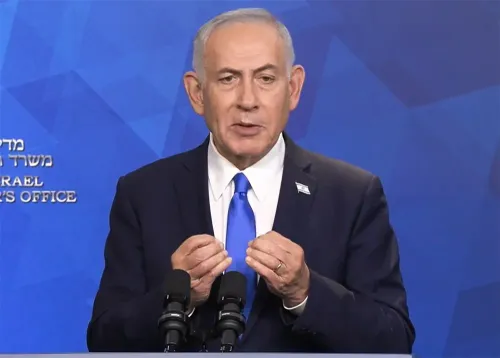
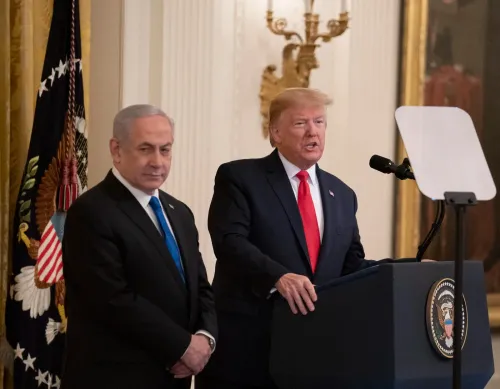
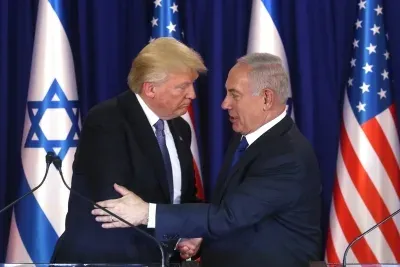
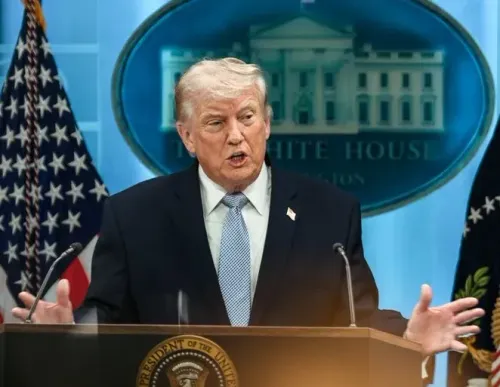
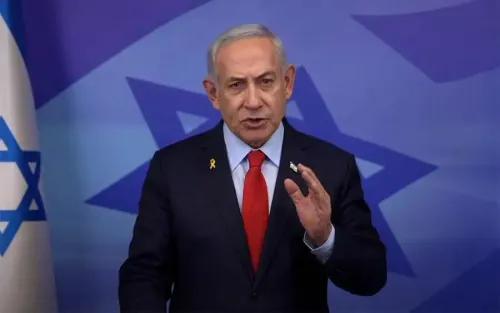
Benjamin Netanyahu and Donald Trump spoke by phone on 18 May about the possibility of resuming military operations against Iran .
The US is reportedly prepared to conduct joint strikes with Israel if fighting resumes, according to a senior Israeli official cited by Kan TV .
Netanyahu convened an emergency cabinet meeting the same evening to discuss Israel's multiple active fronts.
A ceasefire between Iran, the US, and Israel was reached on 8 April after 40 days of conflict that began on 28 February .
One round of Iran-US peace talks in Islamabad on 11–12 April failed to yield an agreement; subsequent proposed frameworks have also stalled.
Trump publicly warned Iran it would face 'a very bad time' if it fails to reach a deal.
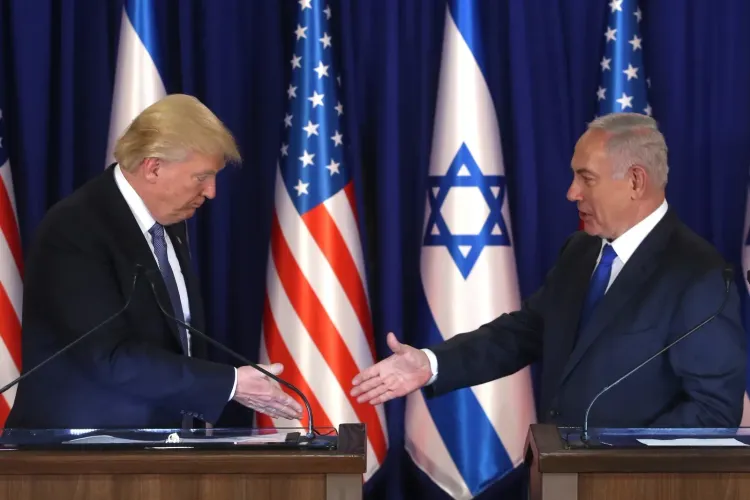
Israeli Prime Minister Benjamin Netanyahu and US President Donald Trump held a phone call on 18 May to discuss the possibility of resuming military operations against Iran, according to Israel's state-owned Kan TV broadcaster. The call signals a sharp escalation in diplomatic and military signalling between Washington and Jerusalem as Iran-US peace talks remain deadlocked.
Joint Military Action on the Table
Citing a senior Israeli official, Kan TV reported that the United States is expected to conduct strikes jointly with Israel if fighting against Iran resumes. The report underscores how closely the two allies are coordinating their military calculus, even as diplomatic channels remain nominally open through Pakistani mediation.
Later the same evening, Netanyahu convened an emergency cabinet meeting in which Israel's multiple active fronts were discussed, according to a government official.
Trump's Escalating Warnings to Tehran
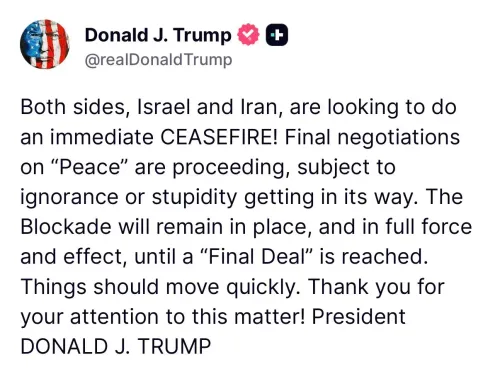
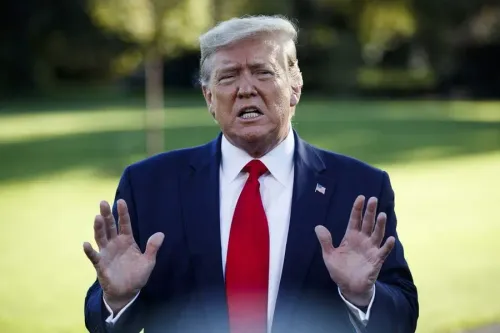
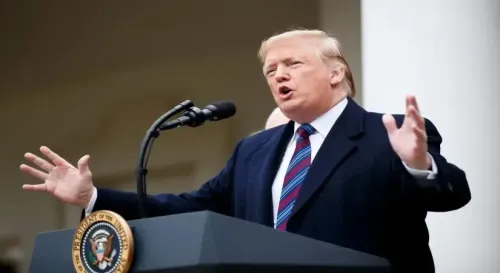
The phone call came after Trump issued a stark public warning to Iran, posting on his social media platform: 'for Iran, the clock is ticking, and they better get moving, fast, or there won't be anything left of them.' He separately told French media: 'If they don't, they're going to have a bad time. A very bad time. They had better make a deal.'
Trump also shared an AI-generated graphic depicting himself and a US Navy admiral standing before stormy waters, captioned: 'It was calm before the storm' — imagery widely interpreted as a veiled military threat.
Background: Ceasefire, Talks, and Stalemate
The current standoff traces back to a ceasefire reached on 8 April, following 40 days of fighting that began with US and Israeli strikes on Iran on 28 February. After the truce, Iranian and US delegations held one round of peace talks in Islamabad, Pakistan on 11 and 12 April, which failed to produce an agreement.
Over the weeks since, both sides have reportedly exchanged several proposed frameworks outlining conditions for a permanent end to hostilities, with Pakistan serving as mediator. None of those proposals have led to a breakthrough.
What This Means for the Region
The renewed discussion of military action — even as mediated talks nominally continue — reflects the fragility of the April ceasefire. Notably, this is the first confirmed direct conversation between Netanyahu and Trump specifically focused on the prospect of resuming the Iran conflict since the truce took hold. Regional observers warn that a return to hostilities would carry far broader consequences than the initial 40-day campaign, given Iran's retaliatory capabilities and the involvement of proxy networks across the Middle East.
All eyes are now on Tehran's next diplomatic move, with the clock — as Trump put it — reportedly ticking.
Point of View
Tehran's negotiating window may be narrower than the public timeline implies.
NationPress
19 Sept 2026
Frequently Asked Questions
What did Netanyahu and Trump discuss in their phone call on 18 May?
Netanyahu and Trump discussed the possibility of resuming military operations against Iran, according to Israel's state-owned Kan TV broadcaster, citing a senior Israeli official. The US is reportedly prepared to conduct joint strikes with Israel if the conflict restarts.
Is there a ceasefire currently in place between Iran, the US, and Israel?
Yes. A ceasefire was reached on 8 April after 40 days of fighting that began with US and Israeli strikes on Iran on 28 February. However, peace talks held in Islamabad on 11–12 April failed to produce a lasting agreement, and subsequent proposed frameworks have also stalled.
What warnings has Trump issued to Iran?
Trump posted publicly that 'for Iran, the clock is ticking, and they better get moving, fast, or there won't be anything left of them.' He also told French media that Iran would face 'a very bad time' if it fails to make a deal.
Who is mediating between the US and Iran?
Pakistan is reportedly serving as the mediator. Both sides have exchanged several proposed frameworks through Pakistani channels since the Islamabad talks in April, but no agreement has been reached.
What happens next in the Iran-US-Israel standoff?
The situation hinges on whether Iran engages substantively with the proposed peace frameworks or whether the US and Israel move toward resuming military action. Netanyahu's emergency cabinet meeting on 18 May suggests Israel is actively war-gaming both scenarios.