Netanyahu-Trump phone call: Leaders agree to coordinate 'on various fronts'
Synopsis
As the US and Iran exchanged direct military strikes for the second consecutive day, Netanyahu and Trump got on the phone — agreeing to stay coordinated 'on various fronts.' With Israel's military on high alert, its forces dug into Lebanon, and a diplomatic row with Turkiye simmering, the call underscores just how many fronts Jerusalem is managing simultaneously.
Key Takeaways
Benjamin Netanyahu and Donald Trump spoke by phone on 10 July , agreeing to maintain coordination 'on various fronts.' Trump briefed Netanyahu on US military actions in the Gulf during the call.
Netanyahu raised concerns over Turkish President Erdogan's remarks, including accusations that Israel is 'war-addicted' and is undermining US-Iran diplomacy.
The US launched strikes inside Iran allegedly in response to Iranian attacks on vessels in the Strait of Hormuz ; Iran retaliated with missile and drone strikes on US bases in Kuwait , Bahrain , Qatar , and Jordan .
Israeli military chief Eyal Zamir said Israel is 'ready for immediate action'; Defence Minister Israel Katz said forces will stay in Lebanon until Hezbollah is fully disarmed.
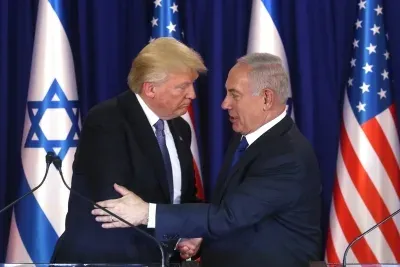
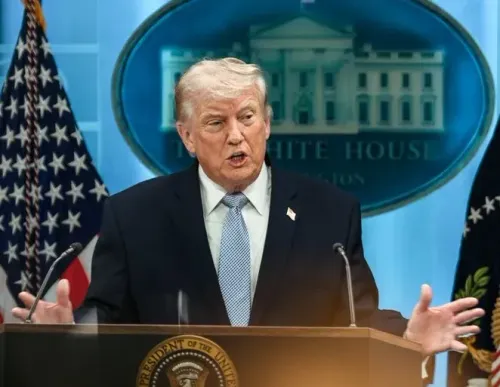
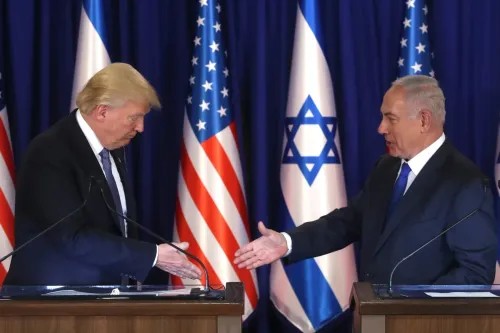
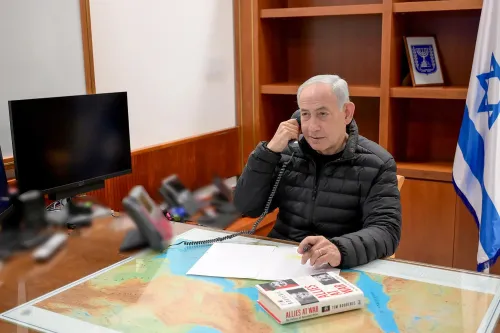
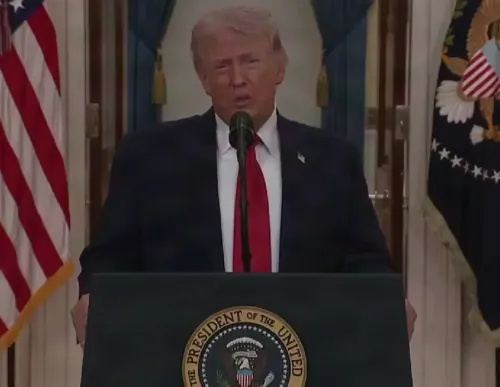
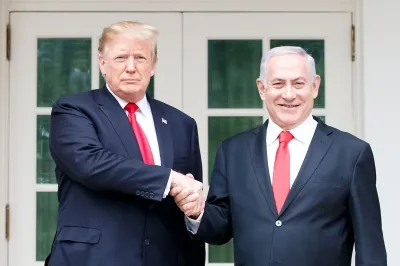
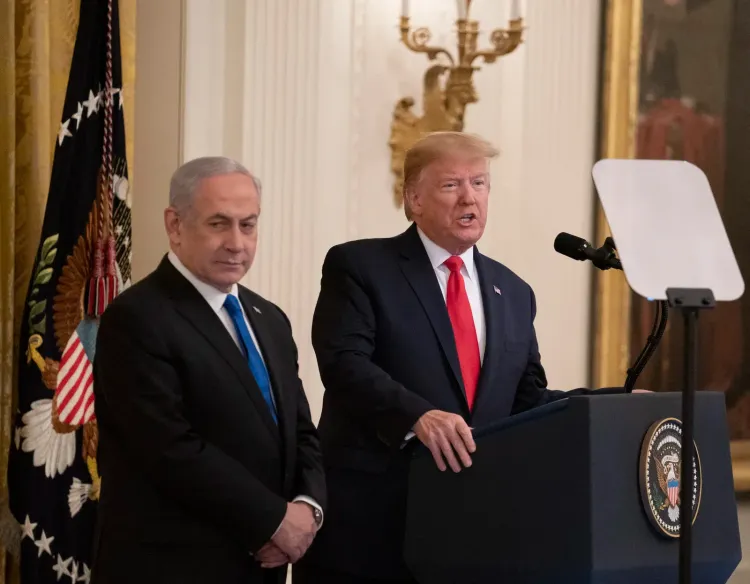
Israeli Prime Minister Benjamin Netanyahu and US President Donald Trump spoke by phone on Thursday, 10 July, agreeing to sustain coordination between their countries 'on various fronts,' according to a statement from Netanyahu's office. The call came as the United States and Iran were locked in a fresh round of military escalation spanning Tuesday night through Thursday.
What Was Discussed
During the call, Trump briefed Netanyahu on US military actions in the Gulf, though Netanyahu's office did not elaborate on specifics. Netanyahu also raised what he described as the 'severity' of remarks by Turkish President Recep Tayyip Erdogan and his aides directed at Israel, without specifying which statements he was referencing.
Israeli officials have in recent days criticised Erdogan for accusing Israel of undermining US-Iran diplomacy and for calling its government 'war-addicted.' Israel has also voiced concern over a possible US sale of F-35 fighter jets to Turkiye.
US-Iran Escalation: The Backdrop
The phone call unfolded against a rapidly deteriorating security environment. Allegedly in response to recent Iranian attacks on commercial vessels transiting the Strait of Hormuz, the United States launched strikes against multiple targets inside Iran over the preceding days, resulting in casualties and infrastructure damage. Iran retaliated with missile and drone strikes on US military bases and facilities in Kuwait, Bahrain, Qatar, and Jordan. This marks a significant new round of direct military exchange between the two countries.
Israel's Military Posture
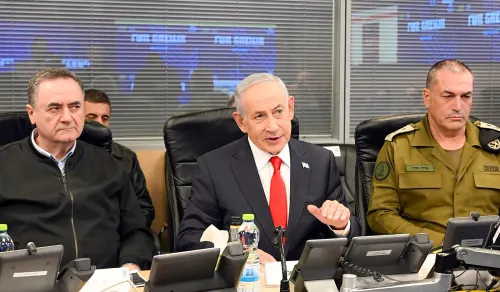
Israeli military chief Eyal Zamir said Israel was 'closely monitoring developments in Iran and Lebanon and ready for immediate action.' Defence Minister Israel Katz echoed that posture, stating the military was 'alert and ready for the resumption of the campaign.'
Separately, Katz declared on Thursday that Israeli forces would remain in Lebanon until Hezbollah is fully disarmed. 'We did not ask permission from any party to enter Lebanon, and we do not need permission to remain in Lebanon,' he said in a statement released by his office.
What This Signals
The Netanyahu-Trump call reflects a concerted effort by both governments to stay aligned as the Middle East enters one of its most volatile stretches in recent memory. With US forces directly engaged against Iran, Israeli officials signalling readiness on two fronts — Iran and Lebanon — and a simultaneous diplomatic friction with Turkiye, the strategic calculus in the region is shifting rapidly. How Washington and Jerusalem calibrate their next moves could shape the trajectory of the conflict in the weeks ahead.
Point of View
An unresolved Lebanese front, and a sharpening rift with Turkiye over F-35s and rhetoric. The Erdogan dimension is particularly underreported — if Washington proceeds with the F-35 sale to Ankara, it creates a direct tension between two key US partners. Netanyahu's decision to raise it in a call dominated by the Iran crisis signals how seriously Jerusalem views that risk.
NationPress
8 Oct 2026
Frequently Asked Questions
What did Netanyahu and Trump discuss in their 10 July phone call?
The two leaders agreed to maintain coordination 'on various fronts,' according to Netanyahu's office. Trump briefed Netanyahu on US military actions in the Gulf, and Netanyahu raised concerns about Turkish President Erdogan's recent remarks targeting Israel.
What is the current state of US-Iran military tensions?
The US launched strikes against multiple targets inside Iran, allegedly in response to Iranian attacks on commercial vessels in the Strait of Hormuz. Iran retaliated with missile and drone strikes on US military facilities in Kuwait, Bahrain, Qatar, and Jordan, marking a significant escalation from Tuesday night through Thursday.
Why is Israel concerned about Turkiye?
Israeli officials have criticised Turkish President Erdogan for accusing Israel of undermining US-Iran diplomacy and for calling its government 'war-addicted.' Israel has also expressed concern over a possible US sale of F-35 fighter jets to Turkiye.
What is Israel's position on Lebanon and Hezbollah?
Defence Minister Israel Katz stated on Thursday that Israeli forces will remain in Lebanon until Hezbollah is fully disarmed. He added that Israel did not seek permission to enter Lebanon and does not require permission to stay.
What is Israel's military readiness status amid the US-Iran conflict?
Israeli military chief Eyal Zamir said Israel is 'closely monitoring developments in Iran and Lebanon and ready for immediate action.' Defence Minister Katz separately confirmed the military is 'alert and ready for the resumption of the campaign.'