What are the Historical Roots of the Balochistan Conflict?
Synopsis
The ongoing conflict in Balochistan is a complex issue with deep historical roots dating back to Pakistan's independence. Recent violent incidents underscore the need for a comprehensive understanding of the province's grievances and the political failures that have fueled unrest. This article explores the intertwining factors contributing to the current crisis.
Key Takeaways
Balochistan has historical roots of conflict tracing back to Pakistan's independence .
Recent violence highlights ongoing human rights violations .
The BLA has escalated attacks, emphasizing local grievances.
Economic disparities continue despite the province's rich natural resources.
Military solutions are viewed as ineffective in resolving political issues.
Kabul, Feb 11 (NationPress) The recent incidents in Balochistan not only underscore significant security issues but also reflect what critics term enduring political shortcomings in addressing the province’s concerns. These issues trace back to the period of Pakistan's independence, according to a comprehensive report. An article from Afghanistan's prominent news source, Khaama Press, noted that the recent turmoil in Balochistan brings to light not just security predicaments but also long-standing political failures to resolve the province’s issues.
The documented human rights violations, particularly enforced disappearances and alleged extrajudicial killings, have fostered a climate where, as activists claim, peaceful dissent is often criminalized, pushing some towards armed resistance as the only means for change.
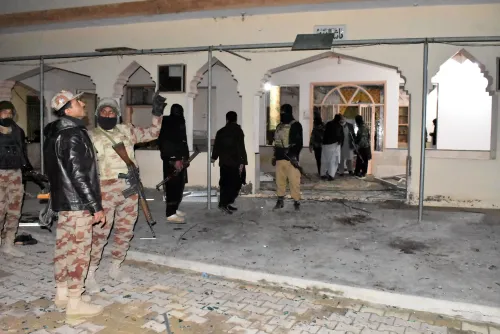
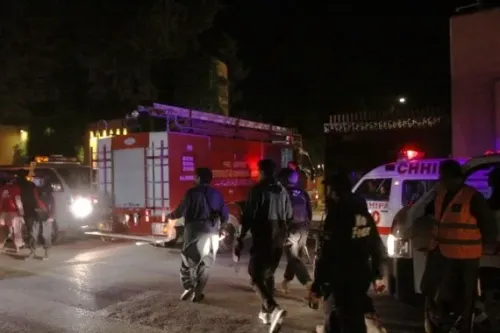
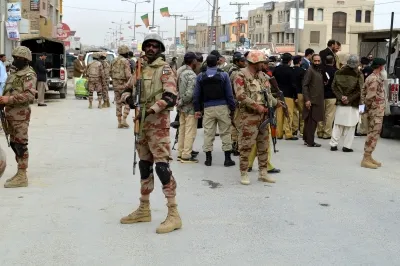
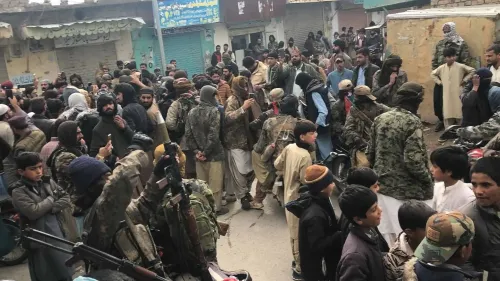
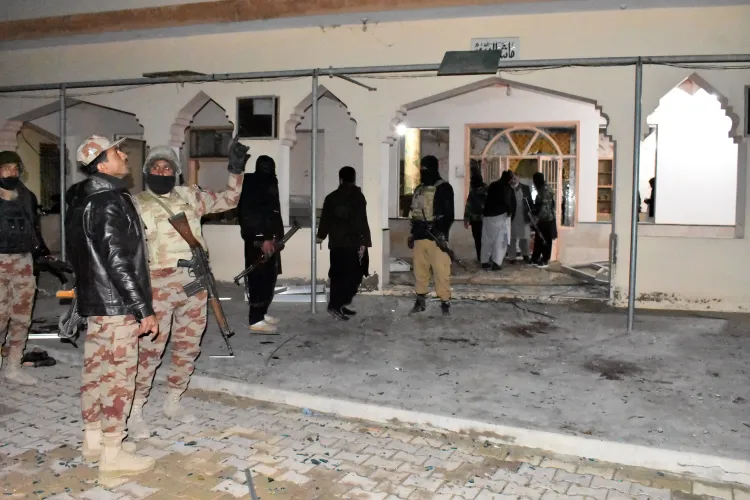
On January 31, the Baloch Liberation Army (BLA) initiated 'Operation Herof 2.0', conducting synchronized attacks across 12 districts, including Quetta, Gwadar, and Mastung. Official reports indicate that the operation resulted in the deaths of 17 police officers and 31 civilians. In retaliation, Pakistani forces asserted that 145 insurgents were eliminated, a claim disputed by the BLA. The assaults included gunfire, suicide bombings, and temporary takeovers of police stations and governmental properties.
Reports suggest an escalation in security operations in Balochistan, raising alarms among rights activists regarding the treatment of local inhabitants, as highlighted by Khaama Press.
"The recent violence in Balochistan is not an isolated event but a significant intensification of a conflict with historical roots dating back to Pakistan’s independence. To comprehend the crisis, one must delve into historical grievances, documented human rights violations, economic inequalities, and what critics label as political failures," stated an opinion piece.
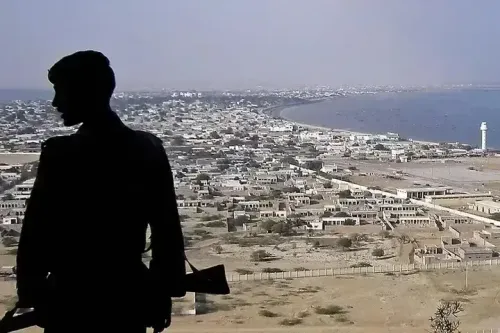
Balochistan represents 44% of Pakistan's land area but only constitutes 6% of the national population. It remains the country's most impoverished province, where approximately 70% of the population lives in multidimensional poverty, and unemployment hovers at 33%, despite the region's wealth in natural resources, including the Sui gas fields, which provide around 35-40% of Pakistan’s natural gas supply, alongside significant deposits of copper, gold, and coal.
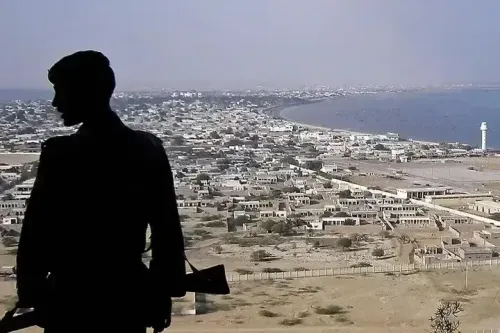
The China-Pakistan Economic Corridor (CPEC), particularly the development of Gwadar port, has also raised concerns among Balochistan's residents. Locals have expressed fears regarding displacement and economic marginalization, claiming exclusion from employment opportunities and decision-making processes related to projects on their lands, as mentioned in Khaama Press.
The most pressing allegations in Balochistan involve enforced disappearances and extrajudicial killings. Numerous human rights organizations have labeled these as systematic abuses. The Baloch Yakjehti Committee (BYC) reported 1,223 cases of enforced disappearances in 2025. The Human Rights Council of Balochistan documented 1,455 cases that year, including 1,443 men and 12 women. According to their findings, by the end of the year, 1,052 individuals remained missing, 317 had been released, 83 were reported killed while in custody, and three were transferred to jail.
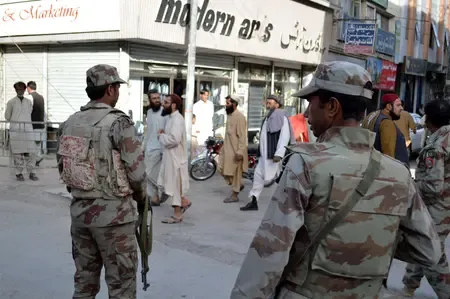
The BYC's annual report for 2025 indicated that 188 alleged extrajudicial killings occurred in Balochistan, with 75 linked to what activists termed a “kill and dump” policy. The Makran division and Awaran district were noted as particularly affected areas. Pakistani security forces maintain about 736 permanent checkpoints and 300 temporary ones in Balochistan, with critics asserting that this militarization fosters a perception of occupation rather than integration.
The Baloch insurgency has also seen the involvement of female suicide bombers, which is symbolically significant in a patriarchal society. The ongoing violence highlights what critics describe as a fundamental failure in political engagement, according to the report.
"The Pakistani state has frequently regarded demands for autonomy and fair resource distribution as separatism, with dissent commonly branded as anti-state activities. The provincial government, perceived by some as federally appointed, has struggled to effectively address local issues. Instead of fostering dialogue, security-oriented responses have increased, with analysts arguing that this has driven educated urban youth towards insurgency. Political commentators assert that military solutions cannot resolve what they see as fundamentally political problems rooted in marginalization, economic exploitation, and rights violations," concluded the article.
Point of View
I believe it is crucial to support the people of Balochistan in their quest for justice and equality. The issues they face are not merely local challenges; they are emblematic of broader systemic failures in governance and human rights. Our commitment should always align with the principles of justice, accountability, and peaceful dialogue.
NationPress
29 Sept 2026
Frequently Asked Questions
What are the main causes of the Balochistan conflict?
The Balochistan conflict stems from historical grievances, human rights abuses, economic disparities, and political failures to address the province's needs.
What role does the Baloch Liberation Army play?
The Baloch Liberation Army (BLA) is a key insurgent group that conducts attacks to highlight the grievances of the Baloch people, often in response to perceived state oppression.
How does the China-Pakistan Economic Corridor affect Balochistan?
The China-Pakistan Economic Corridor (CPEC) has raised concerns among Balochistan's residents regarding displacement, economic marginalization, and exclusion from decision-making processes.
What are enforced disappearances?
Enforced disappearances refer to cases where individuals are abducted by state agents or with their consent, and their fate remains unknown, which has been a significant issue in Balochistan.
How can the situation in Balochistan be resolved?
Resolution requires a multifaceted approach focusing on dialogue, addressing historical grievances, ensuring human rights, and equitable resource distribution.