Has Decades of Insurgency Led Balochistan into a New Conflict Phase?
Synopsis
An in-depth exploration of Balochistan's evolving conflict landscape reveals how decades of insurgency have transformed this province. A striking report unearths the complex interplay of regional rivalries, ethnic tensions, and international interests shaping the future of this volatile region. What does this mean for Pakistan's stability?
Key Takeaways
Balochistan faces a new phase of conflict influenced by insurgency and geopolitical interests.
The BLA's recent coordinated attacks signify a strategic escalation in violence.
The insurgency has evolved into a complex network of militant groups.
Decades of political neglect have fueled ongoing instability.
External investments, especially from China , have become targets for insurgent actions.
Quetta, Feb 14 (NationPress) Pakistan's Balochistan has transitioned from being merely a troubled province to a critical hub of insurgency, regional tensions, and major-power interests.
In this volatile environment, each new security initiative or foreign alliance poses a risk of further complicating an already intricate conflict, according to a report released on Saturday.
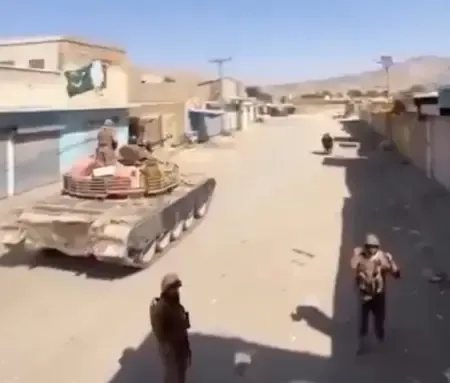
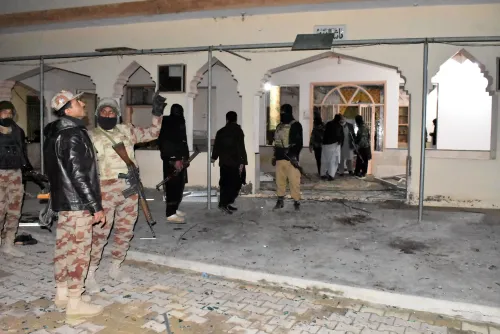
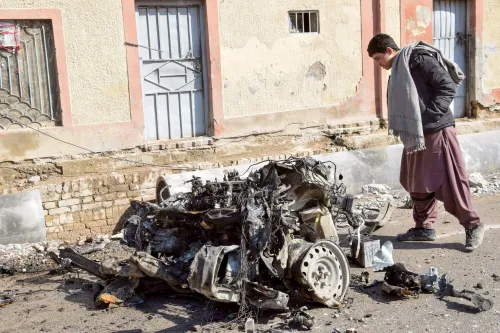
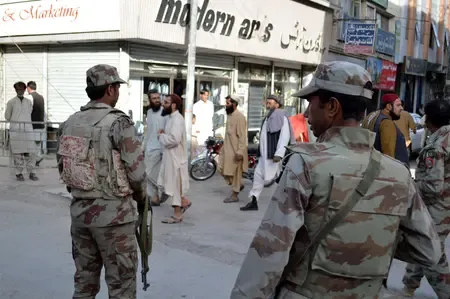
“The recent orchestrated assaults by the Balochistan Liberation Army (BLA) across over 10 cities in this troubled province, which constitutes 44% of Pakistan's territory, represent not just another insurgent display but a significant strategic escalation. The scale, timing, and coordination of these attacks indicate that the province's protracted conflict has entered a more perilous stage,” a report in Asia Sentinel highlighted.
“What began as a localized separatist movement has transformed into a complex militant landscape, where ethnic rebels, jihadist factions, and transnational networks now converge. In 2025, the province recorded 1557 attacks. This situation extends beyond a mere security crisis; it reflects decades of political neglect, economic exploitation, and excessive reliance on military force in a region that has long sought political dialogue,” it added.
The report notes that the insurgency is longstanding, with Baloch separatist factions launching multiple conflicts against Pakistani authorities since the country's inception.
“However, the ongoing phase, which has persisted since the early 2000s, has become increasingly urban, technologically adaptive, and more inclined to target infrastructure and foreign investments. What sets the latest attacks apart from previous ones is not only their brutality but also their coordination—indicative of enhanced planning, communication, and recruitment capabilities among insurgent networks,” it stated.
“This transformation reveals the limitations of a strategy that has heavily relied on kinetic responses. For over two decades, successive governments have viewed Balochistan primarily as a security issue. The outcomes are evident: cycles of insurgency, extensive militarization, and ongoing political alienation,” it emphasized.
The report underscored that the convergence of various actors creates a complex security scenario, with the BLA, an ethno-nationalist insurgent group seeking independence, while Tehrik-i-Taliban Pakistan (TTP) and IS-K pursue transnational jihadist objectives despite minimal ideological similarities.
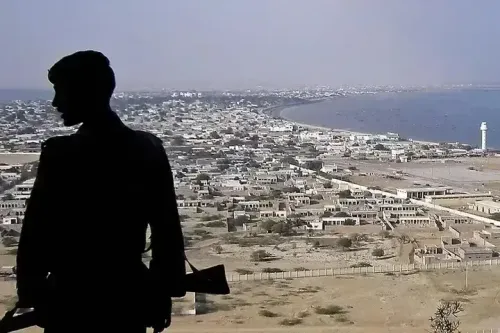
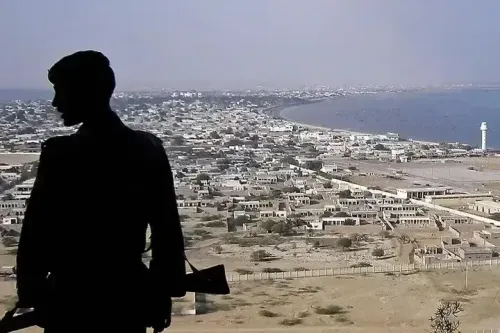
“Nonetheless, they now align around shared targets. The BLA has consistently targeted Chinese initiatives and personnel, including the Gwadar port, accusing Beijing of exploiting Balochistan's resources. Meanwhile, the TTP and IS-K consider China an adversary due to its policies towards Muslim minorities in Xinjiang,” it noted.
Point of View
It is essential to recognize that the situation in Balochistan is a complex interplay of historical grievances and modern political dynamics. Our duty is to remain committed to providing balanced and insightful coverage of this pressing issue, highlighting the voices of those affected while scrutinizing the actions of state and non-state actors alike.
NationPress
29 Sept 2026
Frequently Asked Questions
What are the main causes of the conflict in Balochistan?
The conflict in Balochistan stems from years of political neglect, economic exploitation, and a lack of political accommodation for the Baloch people, leading to a resurgence of insurgent activity.
How has the insurgency evolved over the years?
Initially a localized separatist movement, the insurgency has transformed into a complex militant ecosystem involving various groups and ideologies, making the conflict more intricate and dangerous.
What role do external forces play in Balochistan's conflict?
External forces, particularly regarding foreign investments and regional rivalries, have added layers of complexity to the conflict, with groups targeting foreign projects and personnel.
What impact does the conflict have on local communities?
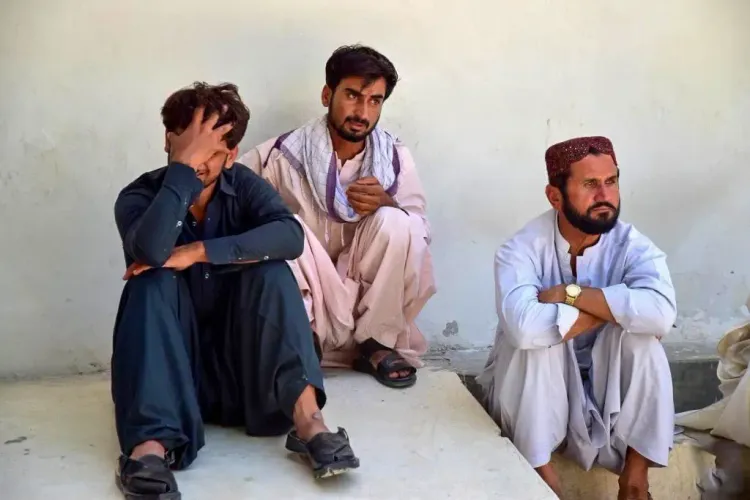
The ongoing violence and instability significantly affect local communities, leading to displacement, economic hardship, and political alienation, exacerbating grievances.
What is the future outlook for Balochistan?
The future remains uncertain, as the interplay of insurgency, regional dynamics, and state responses will continue to shape the province's fate and that of Pakistan.