What Led to the Collapse of Pakistan’s Intelligence in Balochistan?
Synopsis
As violence escalates in Balochistan, the BLA's recent attacks expose a critical collapse in Pakistan's intelligence system. Accusations of corruption among top officials and a growing discontent among lower ranks highlight the urgent need for accountability and reform in Pakistan's approach to regional stability.
Key Takeaways
Balochistan's violence is deeply rooted in intelligence failures.
Corruption among top officials undermines national security.
External interests are directly affected by the instability.
Calls for reform are met with resistance from established leadership.
Lower-ranking officials are increasingly disillusioned with the system.
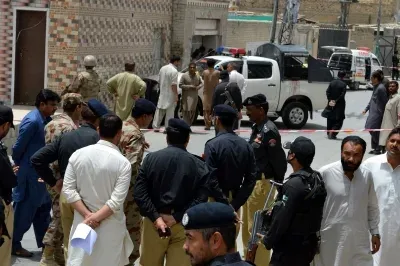
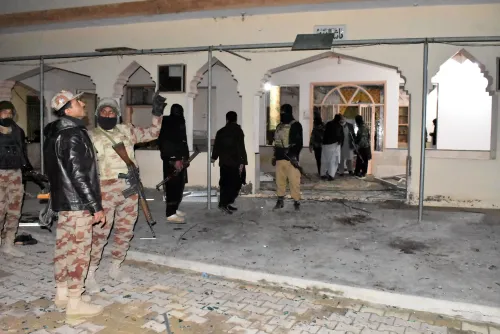
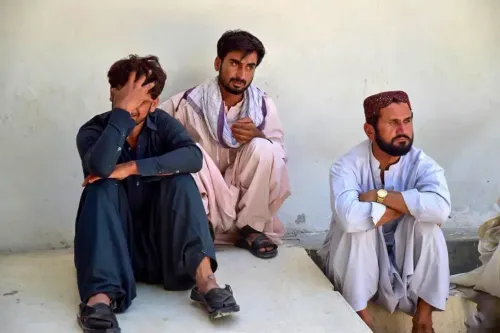
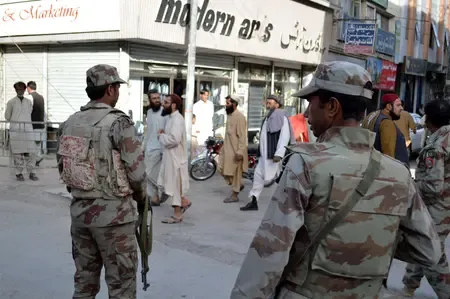
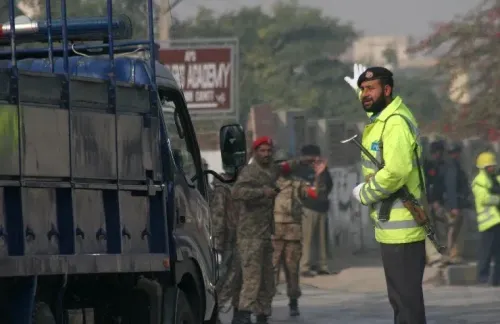
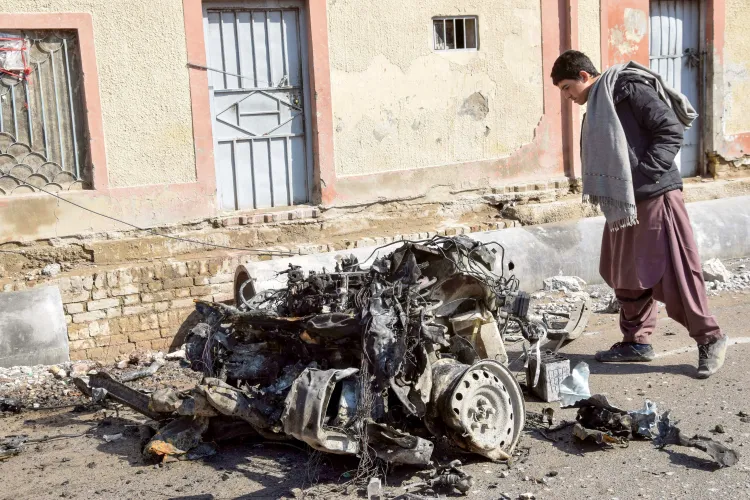
New Delhi, Feb 3 (NationPress) Pakistan is facing dire consequences as violence escalates in Balochistan. The Balochistan Liberation Army (BLA) has wreaked havoc on Pakistan's security forces over the past 48 hours, resulting in significant casualties.
Balochistan holds critical importance for Pakistan's economy, with substantial investments from the Chinese and Western interests eyeing its rare minerals, gold, and copper.
Officials attribute the current violence to a complete failure of Intelligence, largely due to the lack of accountability within the ranks.
Ground officers are often reluctant to report issues, as the upper echelons are perceived as corrupt. This breeds discontent, with many in the Intelligence community believing that the top leadership is destined to fail.
The BLA's recent operations were not spontaneous; they were the result of extensive planning and coordination, according to officials.
Utilizing sophisticated weaponry and suicide bombers, the BLA's attacks on security forces highlight significant lapses in Intelligence, whether due to negligence or deliberate oversight.
Discontent among lower-ranking officials is growing, as they feel sidelined while top officials enjoy the spoils of power, a situation exacerbated under Army Chief Field Marshal Asim Munir.
While some officials seek a peace agreement with the people of Balochistan, higher-ups in the ISI and army resist, entrenched in years of exploitation of Baloch resources.
This exploitation remains a core issue for the Baloch populace, who frequently accuse the Pakistani establishment of depriving them of their resources.
An Intelligence Bureau official indicated that solving the problem lies in the hands of the top brass, yet they refuse to consider any truce.
Observers note that for too long, the Pakistani establishment has evaded accountability for their misdeeds, but current circumstances are complicated by external interests.
The ongoing violence threatens the minerals deal with the US, which demands peace in the region.
Meanwhile, China has temporarily halted all operations in Pakistan's port city of Gwadar and withdrawn personnel following a coordinated attack in the region.
After recent threats from groups like the BLA and Tehreek-e-Taliban Pakistan (TTP) against their nationals, China is seeking security assurances and has hinted at sending its own agencies if Pakistan fails to manage the situation.
Despite promises from Pakistan to rein in the BLA and TTP, the recent incidents contradict such assurances.
Officials state that both the US and China are currently evaluating the situation, and while their projects may not be canceled, Pakistan has much to answer for.
Experts assert that until the top officials within the Pakistan army and ISI address rampant corruption, lower-ranking officials will continue to withhold critical Intelligence in Balochistan.
Many at the lower levels desire institutional failure, which leads to intentional lapses in providing crucial Intelligence in the region.
Point of View
It's crucial to recognize that the ongoing turmoil in Balochistan not only undermines Pakistan's security but also impacts its relationship with global partners. The failure to address internal corruption and foster accountability within intelligence circles could lead to dire consequences for the nation's stability and international standing.
NationPress
19 Sept 2026
Frequently Asked Questions
What is the main cause of the violence in Balochistan?
The violence is primarily attributed to a complete failure of Intelligence and the lack of accountability among top officials, leading to unrest and coordinated attacks by the BLA.
How does corruption affect Pakistan's security forces?
Corruption within the upper ranks hinders effective communication and reporting from lower-ranking officers, leading to significant lapses in security and intelligence.
What role do external interests play in Balochistan's situation?
External interests, particularly from China and the US, are increasingly concerned about instability in Balochistan, which threatens economic investments and regional security.
What measures have been proposed to address the situation?
There are calls for a truce and greater accountability among top officials, but resistance from senior leadership complicates the path to resolution.
What implications does this have for Pakistan's international relationships?
The ongoing violence and failure to manage internal dissent could strain Pakistan's relationships with foreign partners, particularly China and the US, who demand stability for their investments.