Could Militarised Governance in Balochistan Lead to Greater Instability?
Synopsis
A recent report raises concerns that ongoing militarised governance in Balochistan may further alienate the populace and destabilize the region. With rising violence threatening international investments and human rights violations coming to light, the situation demands urgent attention.
Key Takeaways
Militarised governance risks deepening instability in Balochistan.
Rising violence threatens international investments .
The Baloch conflict stems from historical grievances dating back to 1948.
Human rights violations and lack of transparency are major concerns.
Geopolitical significance of CPEC makes the region crucial for both Pakistan and China.
Nairobi, Feb 13 (NationPress) Critics have raised alarm that persistent militarised governance could exacerbate feelings of alienation and instability within Pakistan's Balochistan, as highlighted by a recent report.
The uptick in violence in Balochistan is undermining Pakistan's security narrative and jeopardizing international investment commitments, particularly those from the US and China, according to Capital News based in Kenya.
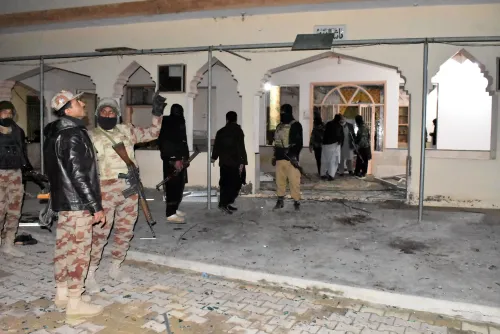
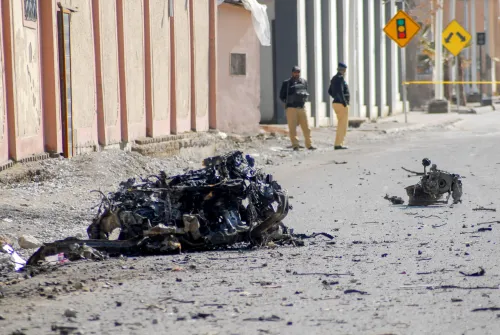
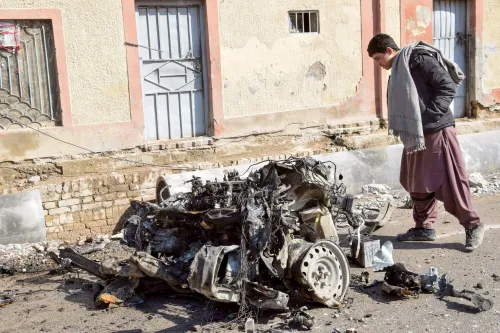
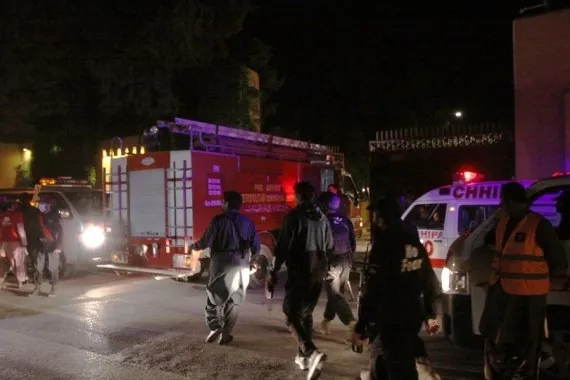
Balochistan, rich in minerals and strategically positioned along the Arabian Sea, has been the site of coordinated assaults by the Baloch Liberation Army (BLA), resulting in casualties among civilians, security forces, and militants alike. This violence has revealed the precarious nature of governance in Balochistan, which has relied more on security measures than on genuine political dialogue.
Experts argue that Pakistan has framed the Baloch insurgency as an external security issue rather than addressing the underlying political discontent. Over the years, reports of enforced disappearances, extrajudicial killings, and collective punishment have surfaced from the region, prompting human rights organizations to call for increased transparency and accountability.
The roots of the conflict in Balochistan trace back to 1948 when the province was integrated into Pakistan. Since that time, Baloch leaders have consistently voiced concerns about political marginalization, limited control over natural resources, and inadequate economic involvement, as reported by Capital News. In response, successive governments have resorted to deploying military forces and conducting security operations.
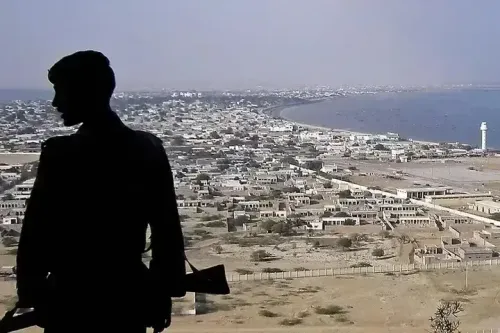
Recently, the conflict has gained heightened geopolitical significance due to the China-Pakistan Economic Corridor (CPEC). The development of Gwadar Port, highways, and energy infrastructure in Balochistan is crucial for China's trade strategy and Pakistan's economic recovery.
Simultaneously, Pakistan is eager to attract Western investments in Balochistan's copper, gold, and gas reserves. However, ongoing insecurity casts doubt on the feasibility of long-term investments in the area.
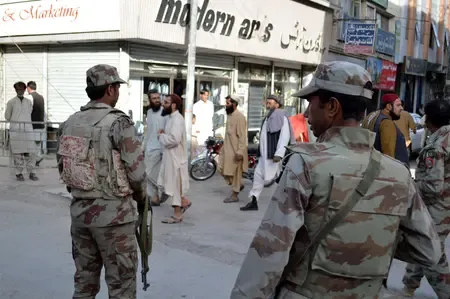
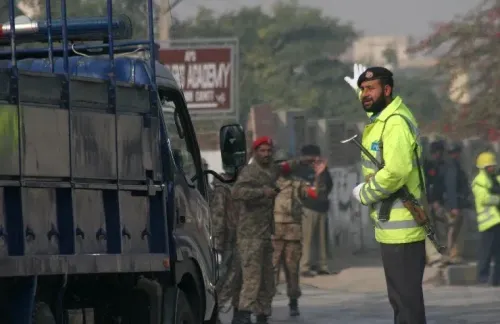
Under the leadership of Army Chief General Asim Munir, Pakistan's military has asserted that security operations are essential to combat separatism and maintain national integrity. Nevertheless, some analysts caution that the reported casualty figures and the extent of unrest may be underreported, raising concerns about the transparency of the government's approach to the crisis, according to the Capital News report.
Human rights advocates have expressed alarm over media blackouts and restrictions on peaceful protests, particularly impacting families of the missing. The consequences of the conflict transcend Pakistan's borders due to Balochistan's strategic importance, which shares borders with Iran and Afghanistan and provides access to vital maritime routes. Instability in Balochistan could significantly affect regional trade corridors and broader geopolitical dynamics.
Point of View
Our stance is clear: we stand with the nation advocating for political engagement over militarised responses in Balochistan. The ongoing instability must be addressed through dialogue and accountability to foster a stable future.
NationPress
2 Oct 2026
Frequently Asked Questions
What is the main concern regarding militarised governance in Balochistan?
The primary concern is that militarised governance may deepen feelings of alienation and instability among the local population, jeopardizing both security and international investments.
How does the conflict in Balochistan affect international investment?
The rising violence undermines the security narrative of Pakistan, causing potential investors, particularly from the US and China, to reconsider their commitments in the region.
What historical issues contribute to the current situation in Balochistan?
The conflict has historical roots dating back to 1948, with ongoing concerns about political marginalization, lack of control over natural resources, and limited economic participation.