Bengal Elections: ECI Uses Aamir Khan-Madhuri Dixit's 'Dil' Song to Promote Peace
Synopsis
In an innovative move, the Election Commission of India has harnessed a classic Bollywood song featuring Aamir Khan and Madhuri Dixit to advocate for violence-free elections in West Bengal. This bold step aims to assure voters of their right to a peaceful electoral process.
Key Takeaways
Aamir Khan and Madhuri Dixit 's song promotes a violence-free election environment.
The ECI emphasizes the importance of voter safety and participation.
Warnings issued to potential disruptors highlight the ECI's commitment to law enforcement.
Political tensions are indicated, particularly with the ruling Trinamool Congress .
Voters are encouraged to exercise their rights fearlessly.
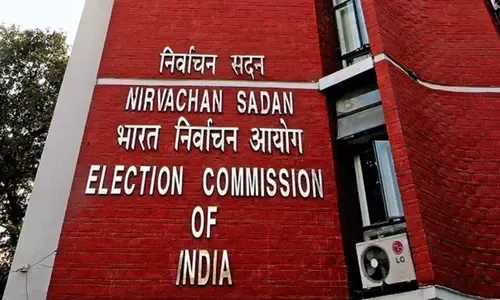
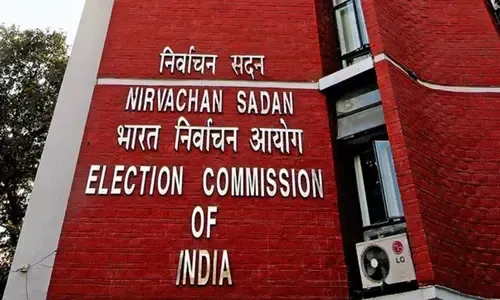
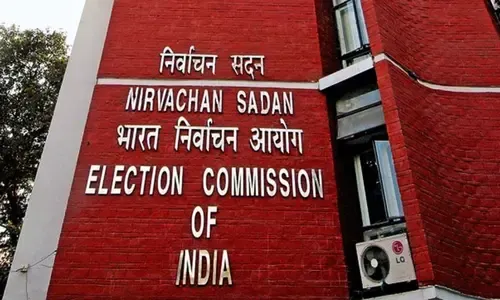
Kolkata, April 13 (NationPress) A beloved Bollywood classic featuring icons Aamir Khan and Madhuri Dixit has been adopted by the Election Commission of India (ECI) to convey its commitment to guaranteeing free, fair, and violence-free elections in the upcoming two-phase elections in West Bengal.
The track titled “Hum Pyar Karne Wale Duniya Se Na Darne Wale” (We, the lovebirds, will not fear the world) is from the film 'Dil', which debuted nationally in June 1990 and starred Aamir Khan, Madhuri Dixit, Anupam Kher, and Saeed Jaffrey.
The district electoral officer (DEO) for Kolkata (South) has shared this song on X. The message is unmistakable—just as lovebirds face the world with courage, the Commission will not be swayed by criticisms as it strives for free and fair elections in West Bengal.
In a note accompanying the video, the DEO of Kolkata (South) warned anti-social elements to prepare for “ointments” to soothe the “itching and burning” they may feel as security forces act to thwart any attempts to disrupt the peaceful voting process.
“We invite all our mothers, uncles, sisters, and brothers to cast their votes freely and without fear, even if some become furious. Intimidators, hooligans, history sheeters, and troublemakers should be ready with ample supplies of Burnol and Boroline, or the heat may be so intense that they will remember it for a lifetime. We stand with our valued voters and assure them that the ECI is dedicated to the following: 1. No Violence 2. No Intimidation 3. No Inducement 4. No Chappa Voting 5. No Booth Jamming 6. No Source Jamming. Anyone obstructing our mission will face severe consequences, where even Burnol and Boroline won’t suffice. Yours, DEO South Kolkata,” the statement declared.
While no specific political party has been referenced on social media, analysts suggest that the statement implicitly targets the ruling Trinamool Congress, given its ongoing disputes with the ECI regarding poll-related arrangements, particularly concerning the transfers and appointments of bureaucrats and police personnel.
Point of View
The ECI's creative approach in leveraging popular culture to promote a violence-free electoral environment is commendable. It reflects a proactive stance in ensuring voter safety and engagement amidst rising political tensions.
NationPress
19 Sept 2026
Frequently Asked Questions
What song is being used by the ECI for promoting peaceful elections?
The song is 'Hum Pyar Karne Wale Duniya Se Na Darne Wale' from the film 'Dil', featuring Aamir Khan and Madhuri Dixit.
What is the main message conveyed by the ECI using this song?
The ECI aims to ensure free, fair, and violence-free elections in West Bengal, urging voters to participate without fear.
How has the DEO of Kolkata responded to potential disruptions during elections?
The DEO warned anti-social elements to prepare for repercussions and assured voters that the ECI is committed to preventing violence and intimidation.
Is any political party specifically targeted in the ECI's message?
While no specific party is named, analysts believe the message implicitly addresses the ruling Trinamool Congress due to its conflicts with the ECI.
What assurance does the ECI provide to voters?
The ECI assures voters of their safety and the commitment to a peaceful voting process, promising strict action against any disruptions.