Balochistan enforced disappearances: BYC slams Pakistan over fabricated cases against civilians
Synopsis
Two Baloch civilians — Miraj and Abdul Ghaffar Kheyzai — were allegedly disappeared by Pakistani authorities while physically present in court for ongoing hearings, according to the BYC. The rights body says this pattern, escalating since a March 18 crackdown, amounts to the state repudiating its own judicial process — with women, children, and the elderly among the named victims.
Key Takeaways
The Baloch Yakjehti Committee (BYC) on 1 May 2025 condemned alleged enforced disappearances of Baloch civilians complying with court proceedings.
Since 18 March , hundreds have reportedly been arrested and dozens of cases registered against BYC leaders and others.
Miraj was allegedly disappeared from Quetta while appearing in court last week; Abdul Ghaffar Kheyzai was similarly disappeared two days before the statement.
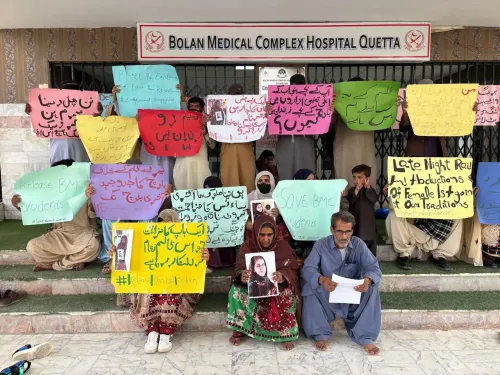
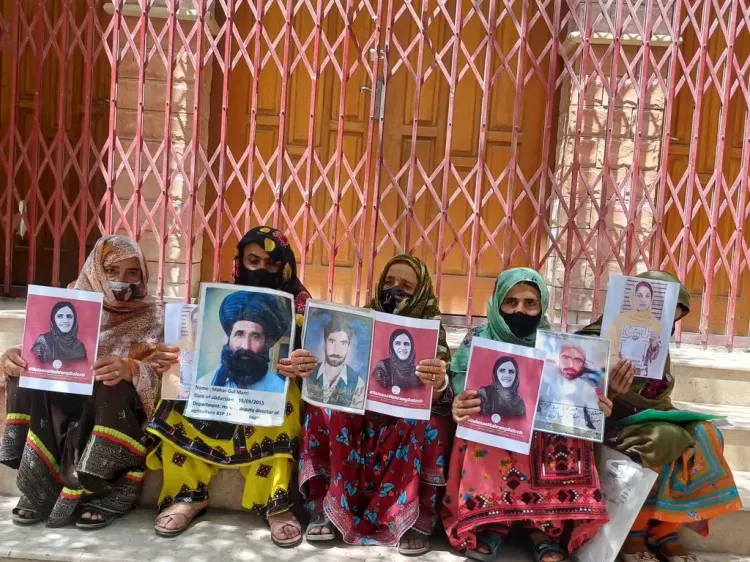
BYC central leader Sabiha Baloch named five women — including Mahjabeen , a polio patient missing nearly a year — as victims of alleged enforced disappearance.
Sabiha Baloch warned that "silence and inaction will remain a lasting stain on their history" and called for public resistance.
The Baloch Yakjehti Committee (BYC), a leading human rights organisation, on Friday, 1 May strongly condemned the alleged targeting of Baloch civilians through fabricated cases and subsequent enforced disappearances — even as the accused were complying with judicial proceedings — describing it as the "worst example of oppression" by Pakistani authorities.
Scale of the Crackdown Since March
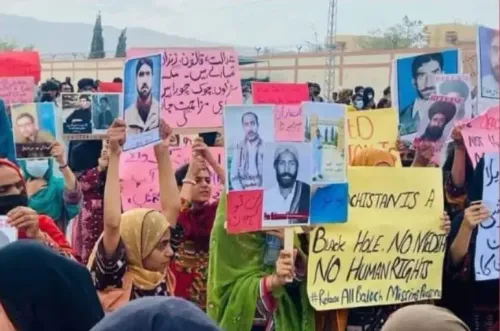
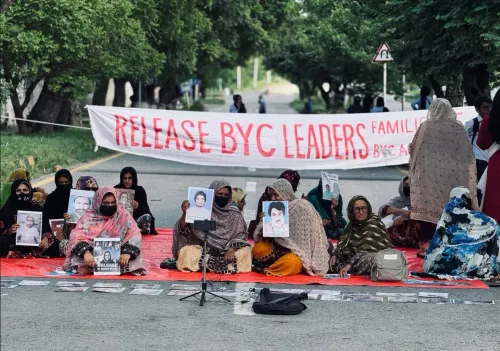
According to the BYC, since 18 March, following a state crackdown, hundreds of people were arrested and dozens of cases were registered against BYC leaders as well as several other individuals. The rights body added that many protesters were detained during demonstrations and subsequently implicated in multiple cases. While some of those arrested have been released on bail, they reportedly continue to appear in ongoing jail trials.
Enforced Disappearances Mid-Court Proceedings
The BYC highlighted two specific and alarming cases of enforced disappearance amid active judicial proceedings. Last week, a civilian identified as Miraj was reportedly forcibly disappeared from the provincial capital Quetta while appearing in court. Two days prior to the BYC's statement, Abdul Ghaffar Kheyzai was also allegedly disappeared while attending hearings connected to the same set of cases.
"This situation is extremely alarming. Subjecting such individuals — who have surrendered themselves to the law and are presenting themselves in judicial proceedings — to enforced disappearance is tantamount to the state itself rejecting its own courts. Furthermore, the pattern of harassing other members of the Baloch Yakjehti Committee continues," the BYC stated.
BYC Leader Warns of Worsening Humanitarian Crisis
Addressing the people of Balochistan, Sabiha Baloch, a central leader of the BYC, called on residents to recognise the scale of what she described as a worsening humanitarian crisis in the province, which she said was aimed at erasing Baloch identity. She emphasised that such actions are intended to displace Baloch people from their own land, arguing that the root cause of the oppression is "the very identity inherited from their ancestors, which makes them rightful heirs of the land."
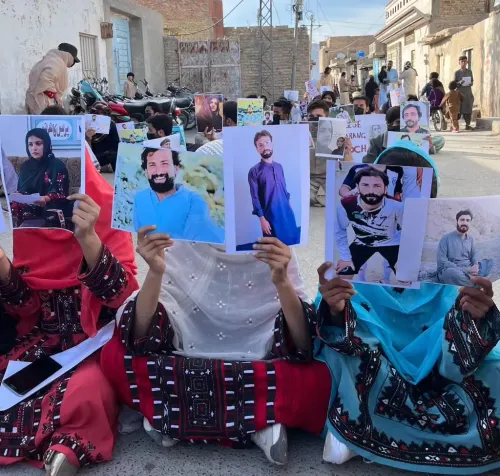
Sabiha Baloch also urged people not to forget the cases of Baloch women who have allegedly been forcibly disappeared by Pakistani forces, naming Mahjabeen, described as a polio patient missing for nearly a year; Nasreen, identified as a young child; and others including Haseena, Khadija, and Hair-un-Nisa — "all taken without any crime proven against them," according to the BYC.
A Call to Resist
In her concluding remarks, Sabiha Baloch warned that "silence and inaction will remain a lasting stain on their history" and called on the people of Balochistan to raise their voices, step forward, write, and resist. She stated that such brutality is being inflicted upon the Baloch people because of their courage to speak against atrocities, and that the vulnerable and elderly are increasingly being targeted in an attempt to assert power. The BYC's statement comes amid persistent international concern over enforced disappearances in Balochistan, a pattern that human rights groups have documented for over two decades.
Point of View
If verified, represents a qualitative escalation: enforced disappearances occurring not in remote areas or during protests, but inside or adjacent to courtrooms — the one space where the state's own legitimacy is on display. This is not merely a human rights concern; it is a structural contradiction that undermines Pakistan's judicial credibility internationally. Balochistan's disappearance crisis has been documented by the UN and Amnesty International for over two decades, yet accountability remains near-zero. What is new here is the alleged brazenness — targeting individuals mid-proceeding — which either signals impunity deepening to a new level or a deliberate message being sent to those who choose legal compliance over silence.
NationPress
19 Sept 2026
Frequently Asked Questions
What is the Baloch Yakjehti Committee (BYC)?
The Baloch Yakjehti Committee (BYC) is a human rights organisation based in Balochistan, Pakistan, that advocates for Baloch civil rights and documents alleged state atrocities including enforced disappearances and fabricated criminal cases against civilians.
Who are Miraj and Abdul Ghaffar Kheyzai?
Miraj and Abdul Ghaffar Kheyzai are two Baloch civilians who, according to the BYC, were forcibly disappeared by Pakistani authorities while attending court hearings in Quetta in connection with cases registered after the March 18 crackdown. Their whereabouts remain unknown, according to the rights body.
What happened in Balochistan after 18 March 2025?
Following a state crackdown beginning 18 March 2025, the BYC says hundreds of people were arrested, dozens of cases were registered against its leaders and others, and many protesters were detained during demonstrations and later implicated in multiple charges.
Who are the Baloch women named as victims of enforced disappearance?
BYC leader Sabiha Baloch named Mahjabeen (a polio patient missing for nearly a year), Nasreen (described as a young child), Haseena, Khadija, and Hair-un-Nisa as women allegedly disappeared by Pakistani forces without any proven crime against them.
What is the broader context of enforced disappearances in Balochistan?
Enforced disappearances in Balochistan have been documented by international human rights organisations including Amnesty International and the United Nations for over two decades. The BYC and other groups argue the practice has intensified, with the latest incidents allegedly occurring during active court proceedings — a pattern they describe as the state rejecting its own judicial institutions.