Calcutta HC rejects TMC urgent plea in bank account freeze case

Synopsis
The Calcutta High Court refused to fast-track Trinamool Congress's challenge to its frozen bank account, with Justice Bhattacharyya noting the sky wouldn't fall over a one-day delay. The more striking signal came earlier: the court has already flagged deep suspicion over how police froze the account within hours of a complaint that alleged no specific crime — a line of scrutiny that could put the entire action on shaky legal ground.
Key Takeaways
The Calcutta High Court on 7 July rejected Trinamool Congress 's plea for an urgent hearing in the bank account freeze case.
Justice Saugata Bhattacharyya scheduled the next hearing for Thursday , when the investigation progress report will be presented.
TMC's bank account at a private bank on Sarat Bose Road, Kolkata was frozen following a complaint filed at 6:30 pm on 28 June .
The court has questioned why police froze the account so quickly when no specific crime had been alleged against it before the complaint.
Senior advocates Abhishek Manu Singhvi and Kishore Datta are representing TMC; the court has summoned an affidavit from the private bank .
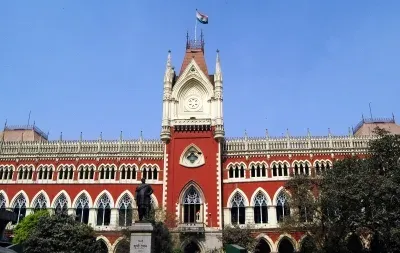
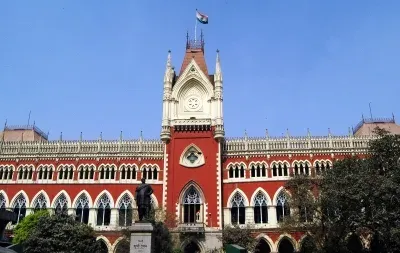
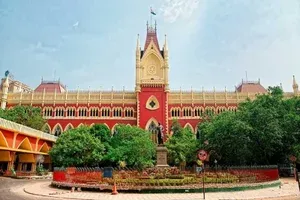
The Calcutta High Court on Tuesday, 7 July rejected the Trinamool Congress (TMC) faction's plea for an urgent hearing in the case challenging the freeze on the party's bank account. A single bench of Justice Saugata Bhattacharyya dismissed the request, scheduling the next hearing for Thursday.
What Happened in Court
Senior advocate Abhishek Manu Singhvi, appearing for TMC, was present in court on Tuesday and requested that the matter be taken up immediately. Co-counsel Kishore Datta argued that since Singhvi had made himself available, the bench could hear the case that day. Justice Bhattacharyya was unmoved, reportedly observing that 'the sky would not collapse' if the hearing was delayed by a day.
The court confirmed that the matter will now be heard on Thursday, when the progress report of the ongoing investigation is also expected to be placed before the bench.
Background: Why TMC's Account Was Frozen
The Trinamool Congress, led by West Bengal Chief Minister Mamata Banerjee, had its bank account frozen recently, prompting the party to challenge the action in the Calcutta High Court. The account is held with a private bank on Sarat Bose Road in south Kolkata.
During the previous hearing — held last Tuesday — Justice Bhattacharyya raised pointed questions about the sequence of events. According to the court's observations, a complaint was filed at 6:30 pm on 28 June, and by the following morning the bank had frozen the account. The judge questioned on what basis police moved so swiftly to direct the freeze, noting that no specific crime had been alleged against the account prior to the complaint being filed.
The Judicial Concern Over Timing
The court has expressed reservations about the timing of the complaint that triggered the account freeze. Justice Bhattacharyya reportedly indicated that the speed with which the freeze was effected — within hours of the complaint — warranted scrutiny. The High Court has already summoned an affidavit from the private bank and sought a statement from its authorities on the matter.
Singhvi, during the previous hearing, argued forcefully on TMC's behalf, questioning whether police could effectively 'paralyse a political party by cutting off its lifeline' — a framing that underscored the political dimension of the case.
What Happens Next
With Thursday's hearing now confirmed, the court will receive the investigation progress report and the bank's affidavit. The bench's earlier scepticism about the complaint's timing suggests the proceedings could put the police action under significant judicial scrutiny. The outcome will have implications not only for TMC's financial operations but also for the broader question of how law enforcement engages with political party accounts.
Point of View
But the judicial observations from the previous hearing are anything but. A complaint filed at 6:30 pm triggering an overnight account freeze — with no specific crime alleged — is the kind of sequence that courts scrutinise for executive overreach. For TMC, the legal battle is also a political one: a frozen party account ahead of any electoral cycle is a pressure point, and Singhvi's 'lifeline' framing signals they intend to fight it on those terms. Whether the police can produce a credible legal basis for the freeze's speed will define how far this case travels.
NationPress
6 Oct 2026
Frequently Asked Questions
Why was Trinamool Congress's bank account frozen?
The TMC bank account held at a private bank on Sarat Bose Road in Kolkata was frozen following a complaint filed on 28 June. The Calcutta High Court has noted that no specific crime was alleged against the account before the complaint was made, and has questioned the basis on which police directed the freeze so swiftly.
What did the Calcutta High Court decide on 7 July?
The court rejected TMC's plea for an urgent hearing on 7 July, with Justice Saugata Bhattacharyya observing that a one-day delay would not be critical. The next hearing has been fixed for Thursday.
Who is representing Trinamool Congress in the case?
Senior advocates Abhishek Manu Singhvi and Kishore Datta are appearing on behalf of Trinamool Congress in the Calcutta High Court.
What concerns has the court raised about the bank account freeze?
Justice Bhattacharyya has questioned the timing of the complaint — filed at 6:30 pm on 28 June — and the speed with which the bank froze the account the following morning, noting that no specific crime had been alleged against the account prior to the complaint.
What will happen at Thursday's hearing?
The court will receive the progress report of the investigation and the affidavit from the private bank, which the High Court had already summoned. The bench is expected to continue its scrutiny of the legal basis for the account freeze.