Cambodia's Fuel Prices Drop as Iran Reopens Hormuz Strait
Synopsis
In a significant move, Cambodia experiences a decline in retail fuel prices following Iran's announcement of the Strait of Hormuz's reopening. This shift comes amidst ongoing geopolitical tensions and aims to mitigate rising costs for consumers.
Key Takeaways
Fuel prices in Cambodia have decreased significantly.
The price of regular gasoline is now 4,950 riels.
Diesel costs have also fallen to 5,700 riels per litre.
The Cambodian government is subsidizing fuel prices to mitigate the impact of rising costs.
Iran's reopening of the Strait of Hormuz is crucial for international oil trade.
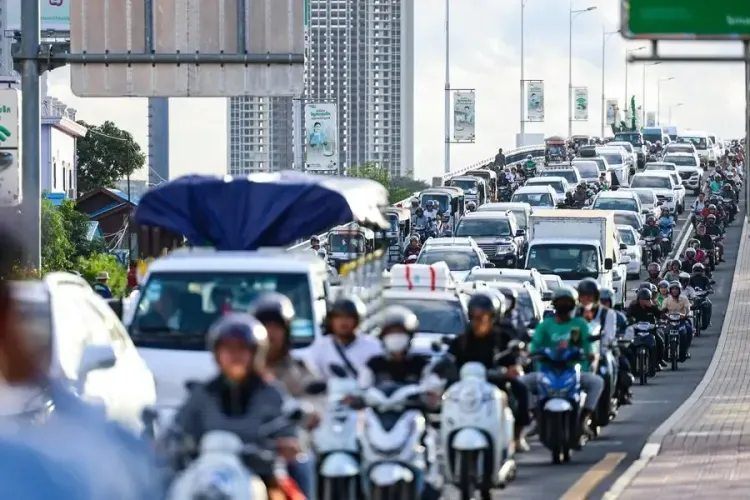
Phnom Penh, April 18 (NationPress) Retail fuel prices in Cambodia have seen a further decline following Iran's announcement regarding the reopening of the Strait of Hormuz, as reported by the Ministry of Commerce.
According to a statement released late Friday (local time), the cost of a litre of regular gasoline has decreased to 4,950 riels (1.24 US dollars) effective from this Saturday, representing a 2.9 percent reduction from the previous price of 5,100 riels (1.28 dollars) over the last three days.
Meanwhile, the price of diesel has dropped to 5,700 riels (1.42 dollars) per litre, marking a 10.9 percent decrease, the ministry noted.
Cambodian Prime Minister Hun Manet indicated last Saturday that the General Department of Customs and Excise (GDCE) has been providing subsidies of approximately 50 million dollars monthly to alleviate the impact of rising fuel prices.
These subsidies have been facilitated through reductions in import duties and taxes on oil and gas, along with cuts to import duties on electric vehicles, hybrid cars, electric stoves, and solar-powered devices.
The Southeast Asian nation is entirely dependent on imported petroleum and diesel.
Earlier on Friday, Iran's Foreign Minister Seyed Abbas Araghchi announced that, in accordance with the truce in Lebanon, the passage for all commercial vessels through the Strait of Hormuz is now completely open for the duration of the ceasefire between Tehran and Washington.
He made these comments on social media shortly after a 10-day ceasefire took effect between Israel and Lebanon, which followed over a month of deadly conflict between Israel and Hezbollah, resulting in more than 2,000 lives lost.
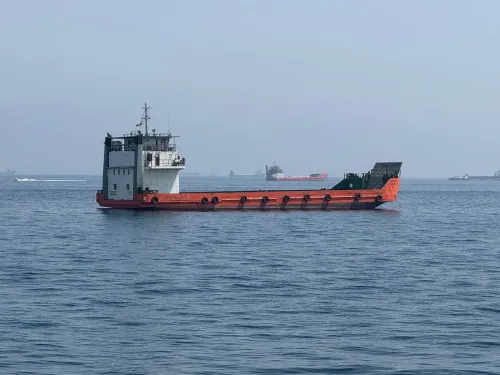
Araghchi emphasized that vessels could navigate the Strait using the previously outlined coordinated route established by Iran's Ports and Maritime Organization.
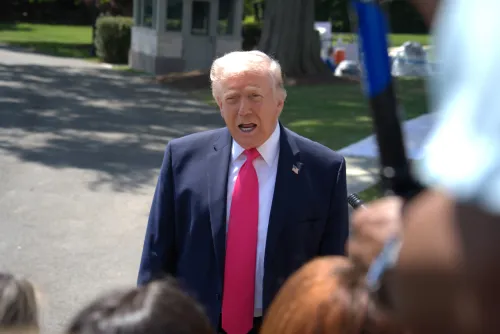
In response to this announcement, US President Donald Trump expressed gratitude to Iran for the full reopening of the Strait of Hormuz.
Iran had tightened its control over the Strait by barring safe passage for vessels associated with Israel and the United States following joint attacks on the country on February 28.
Additionally, the United States imposed a blockade on the Strait, restricting ships traveling to and from Iranian ports from using the waterway, following unsuccessful peace talks between Iranian and US representatives in Pakistan's capital, Islamabad, over the weekend.
Point of View
It is essential to recognize the broader implications of the fuel price changes in Cambodia. The reliance on imported petroleum underscores the vulnerability of the economy to global geopolitical shifts. The government's proactive approach through subsidies reflects an understanding of the need to stabilize prices for citizens amidst fluctuating international dynamics.
NationPress
19 Sept 2026
Frequently Asked Questions
What prompted the drop in fuel prices in Cambodia?
The decrease in fuel prices in Cambodia was prompted by Iran's announcement of the reopening of the Strait of Hormuz, which is crucial for international oil trade.
How much have fuel prices dropped?
Regular gasoline prices have dropped to 4,950 riels (1.24 USD) from 5,100 riels (1.28 USD), and diesel prices decreased to 5,700 riels (1.42 USD).
What measures is the Cambodian government taking to mitigate rising fuel prices?
The Cambodian government is providing around 50 million dollars monthly in subsidies to reduce the impact of rising fuel prices, mainly through tax reductions on oil and gas.
What is the significance of the Strait of Hormuz?
The Strait of Hormuz is a vital waterway for global oil transportation, and its reopening is expected to ease supply constraints and stabilize prices.
Who has commented on the reopening of the Strait of Hormuz?
Iran's Foreign Minister Seyed Abbas Araghchi announced the reopening, and US President Donald Trump expressed gratitude for this development.