US Navy blockade costs Iran $4.8 billion in oil revenue: Pentagon
Synopsis
The Pentagon estimates Iran has haemorrhaged $4.8 billion in oil revenue under a US naval blockade — with 31 tankers and 53 million barrels stranded in the Gulf. Even as President Trump declares the military hostilities 'terminated' to meet a War Powers Resolution deadline, the blockade stays in place, keeping the economic vice on Tehran while a permanent ceasefire remains elusive.
Key Takeaways
The Pentagon estimates Iran has lost approximately $4.8 billion in oil revenue due to the US Navy blockade, per Axios .
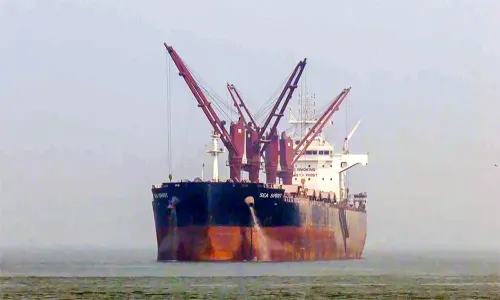
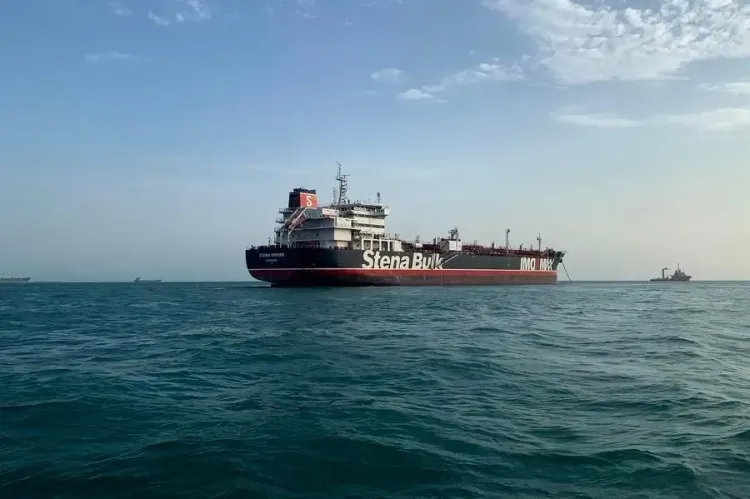
Two tankers have been seized; 31 tankers carrying 53 million barrels of oil are reportedly stranded in the Gulf.
Some vessels are rerouting to deliver oil to China via longer, costlier routes to avoid US maritime interdiction.
President Trump declared hostilities with Iran "terminated" on or around 1 May 2026 , citing the 60-day War Powers Resolution deadline.
Military action began on 28 February 2026 ; the last reported exchange of fire was on 7 April 2026 .
The US naval blockade remains in place pending a permanent ceasefire, despite Iran's earlier claim of reopening the Strait of Hormuz .
The United States Pentagon has estimated that Iran has lost approximately $4.8 billion in oil revenue as a direct result of a naval blockade imposed by the US Navy on Iranian ports, according to a report by Axios citing unnamed US officials. The disclosure comes amid a broader geopolitical standoff involving Israel, the United States, and Iran, with military hostilities reportedly having begun on 28 February 2026.
Scale of Disruption to Iran's Oil Exports
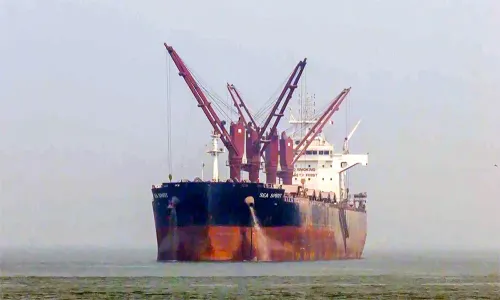
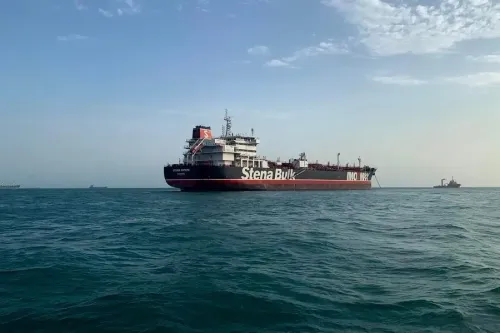
According to the officials cited by Axios, two tankers have been seized during the course of the blockade. Furthermore, as many as 31 tankers carrying approximately 53 million barrels of oil are currently reported to be "stuck in the Gulf," underscoring the significant disruption to Iran's export infrastructure.
Some shipping operators are reportedly opting for "a costlier and longer route to deliver oil to China for fear of US maritime interdiction," according to the same officials — a sign that enforcement pressure has materially altered global shipping patterns tied to Iranian crude.
Context: Blockade, Truce, and the Strait of Hormuz
The naval blockade was imposed by the United States on Iranian ports during a temporary truce, as part of a broader effort to pressure Tehran into accepting a Pakistan-brokered ceasefire that would permanently end the ongoing conflict. Iran had stated last month that it had fully reopened the Strait of Hormuz to commercial shipping following the announcement of a 10-day truce between Israel and the Iranian-backed Hezbollah in Lebanon.
However, the waterway was subsequently restricted again after the US declined to lift its blockade, maintaining that restrictions would remain in place until a permanent agreement ending the war with Iran is reached.
Trump Declares Hostilities 'Terminated' Amid War Powers Deadline
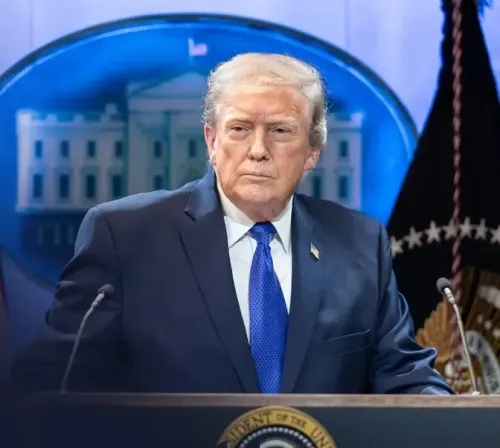
US President Donald Trump informed lawmakers that the war against Iran has "terminated," as the military action — launched without prior Congressional approval — reached its 60-day legal deadline under the War Powers Resolution of 1973.
"There has been no exchange of fire between the United States and Iran since 7 April 2026," Trump was quoted by Politico as saying in a letter to congressional leaders. "The hostilities that began on 28 February 2026, have terminated," he added.
Under the War Powers Resolution, a president must terminate military action within 60 days of notifying Congress, unless lawmakers authorise its continuation. The Trump administration formally notified Congress on 2 March 2026, making 1 May 2026 the legal deadline. Analysts note that the declaration appears designed, at least in part, to pre-empt a Congressional battle over the conflict's authorisation, according to Xinhua.
What Happens Next
Despite Trump's declaration that hostilities have ended, the naval blockade on Iranian ports reportedly remains in force pending a permanent ceasefire agreement. With 31 tankers stranded and Iran's oil revenues under sustained pressure, the economic dimension of the standoff continues even as the military phase is officially described as concluded. Whether a Pakistan-brokered permanent deal can be finalised — and whether the US will lift its maritime restrictions in response — will be the defining question in the weeks ahead.
Point of View
Washington is maintaining maximum pressure without the congressional accountability that a formal war declaration would require. The Pakistan-brokered ceasefire remains the only off-ramp, and its prospects will determine whether this becomes a template for future US grey-zone economic coercion or an unresolved flashpoint.
NationPress
26 Sept 2026
Frequently Asked Questions
How much oil revenue has Iran lost due to the US naval blockade?
According to a report by Axios citing unnamed US officials, the Pentagon estimates Iran has lost approximately $4.8 billion in oil revenue as a result of the US Navy blockade on its ports. Two tankers have also been seized during the blockade.
How many tankers are affected by the US blockade of Iran?
As many as 31 tankers carrying approximately 53 million barrels of oil are reportedly stranded in the Gulf due to the US naval blockade, according to officials cited by Axios. Some operators are rerouting shipments to China via longer, costlier routes to avoid US interdiction.
Why did President Trump declare the war with Iran 'terminated'?
President Trump declared hostilities 'terminated' to meet the 60-day deadline under the War Powers Resolution of 1973, which requires the president to end military action within 60 days of notifying Congress unless lawmakers authorise its continuation. The Trump administration notified Congress on 2 March 2026, making 1 May 2026 the legal deadline.
Is the US naval blockade on Iran still in place?
Yes. Despite Trump's declaration that military hostilities have ended, the US naval blockade on Iranian ports reportedly remains in force. Washington has stated restrictions will stay until a permanent agreement ending the conflict is reached.
What is the Pakistan-brokered ceasefire involving Iran?
The Pakistan-brokered ceasefire is a proposed permanent agreement aimed at ending the ongoing conflict involving Israel, the United States, and Iran. The US imposed its naval blockade partly to pressure Iran into accepting this deal, but a permanent agreement has not yet been finalised.