US Navy blockade of Iran squeezes China's discounted oil deals
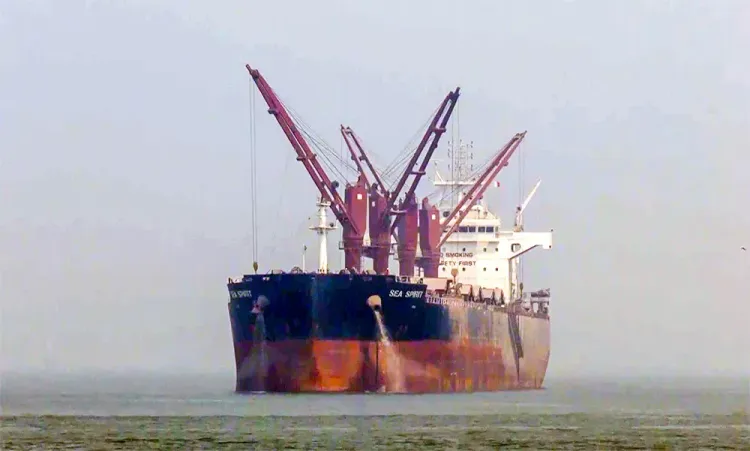
Synopsis
The US Navy's blockade of Iran isn't just squeezing Tehran — it's dismantling the covert financial plumbing that gave China access to heavily discounted Iranian crude. With 35 entities sanctioned and 19 ghost vessels hit simultaneously, Washington has shifted from whack-a-mole to a full-network takedown — and reportedly exposed Beijing's rehearsal for Taiwan-scenario sanction evasion.
Key Takeaways
The US Navy blockade of Iran continues to exert economic pressure on Tehran despite a ceasefire-linked pause in fighting.
The blockade has disrupted China's purchases of Iranian crude at steep discounts, routed through ghost tankers and shadow banking networks.
Hengli Petrochemical , China's second-largest independent refinery, reportedly received over five million barrels of IRGC-affiliated crude through the covert network.
The US has sanctioned 35 entities and individuals and simultaneously targeted 19 shadow fleet vessels in its latest enforcement action.
The report alleges China used the Iran evasion network as a "rehearsal space" for potential large-scale sanctions evasion linked to a Taiwan scenario.
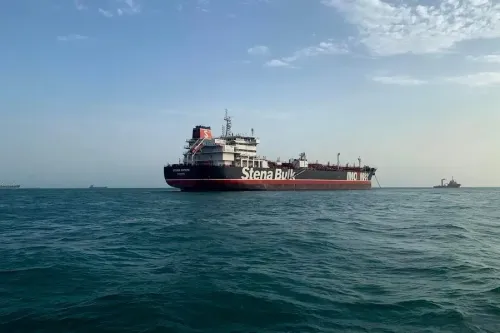
The US Navy's blockade of Iran has built sustained economic pressure on Tehran even as a ceasefire has produced a temporary pause in active fighting, according to a report by Sky News Australia. The blockade has simultaneously disrupted China's access to deeply discounted Iranian crude oil, deals that were conducted through a covert financial architecture involving ghost tankers and shadow banking networks.
How the Covert Oil Network Operated
According to the Sky News Australia report, Iran's Islamic Revolutionary Guard Corps (IRGC) sustained itself financially through a web of shell companies, rotating ship identities, and shadow banking corridors that kept oil revenue flowing entirely outside the formal global financial system. China's so-called
Point of View
Washington's decision to target the entire shadow network — rather than individual vessels or entities — is less about Iran and more about denying Beijing a proven playbook. The uncomfortable question for policymakers is why it took this long to shift from surgical strikes to a systemic takedown, given that the ghost-tanker and teapot-refinery ecosystem has been well-documented for years. The ceasefire may have quieted the guns, but the financial war is clearly accelerating.
NationPress
19 Sept 2026
Frequently Asked Questions
How has the US Navy blockade of Iran affected China?
The blockade has disrupted China's access to heavily discounted Iranian crude oil, which was being purchased through a covert network of ghost tankers, shell companies, and shadow banking corridors. Chinese refiners, particularly the so-called 'teapot refinery' sector, processed the bulk of these imports outside the formal financial system.
What is Iran's shadow banking network?
It is a covert financial system reportedly operated by the IRGC using shell companies, rotating ship identities, and third-country payment intermediaries to move oil revenue outside the formal global financial system and evade Western sanctions. The US has now sanctioned 35 entities and individuals linked to this network.
What action has the US taken against Iran's shadow fleet?
In its latest enforcement action, the US sanctioned 35 entities and individuals running Iran's shadow banking system, simultaneously targeted 19 shadow fleet vessels, and placed companies paying IRGC tolls for Strait of Hormuz passage on notice — a significant escalation from previous piecemeal measures.
Why is China accused of using Iran as a 'rehearsal space'?
According to the Sky News Australia report, every successful Iran sanctions-evasion transaction simultaneously stress-tested the financial infrastructure that Chinese leadership reportedly intends to use if China itself faces US sanctions, particularly in a scenario involving Taiwan. Beijing allegedly benefited both from cheap oil and from refining its own evasion methods.
What role did Hengli Petrochemical play in the Iran oil network?
Hengli Petrochemical, described as China's second-largest independent refinery, reportedly received more than five million barrels of IRGC-affiliated crude through the covert tanker and shadow banking network, according to the Sky News Australia report.