Oil tanker explodes hitting naval mine in Strait of Hormuz
Synopsis
An oil tanker struck a naval mine and exploded in the Strait of Hormuz on 26 July, reportedly after deviating from Iran's designated shipping lane — the same day Iran described navigation talks with Oman as 'forward-looking' and the US confirmed its naval blockade had already redirected 12 vessels and disabled two. The world's most critical energy chokepoint is now simultaneously a diplomatic table and an active hazard zone.
Key Takeaways
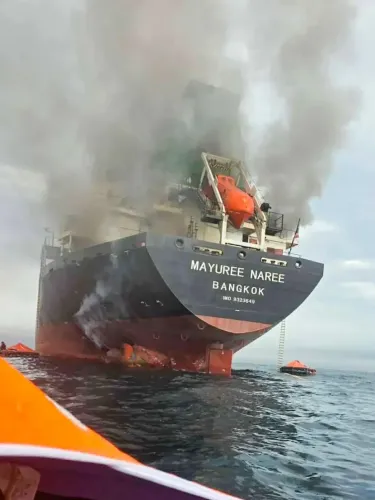
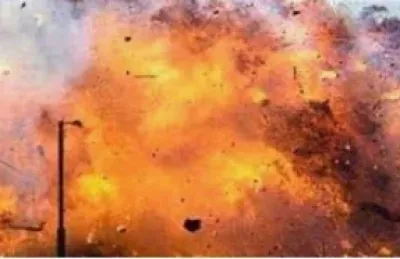
An oil tanker exploded in the Strait of Hormuz on 26 July after striking a naval mine , according to local media reports.
The vessel allegedly deviated from Iran's designated maritime route despite prior warnings, per Mehr News Agency .
Iran and Oman held Deputy Foreign Minister-level navigation talks in Tehran on Friday and Saturday , with both sides describing progress.
CENTCOM confirmed the US naval blockade against Iran is 'in full effect,' having redirected 12 vessels , disabled 2 , and boarded 2 as of 25 July .
The incident deepens concerns over safe transit through the strait, which carries a significant share of global oil and LNG exports.
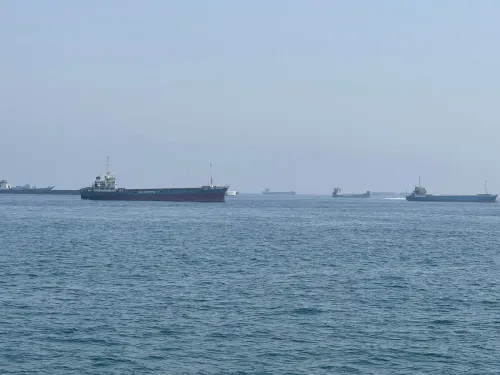
An oil tanker exploded in the Strait of Hormuz on Sunday, 26 July after striking a naval mine, according to local media reports. The vessel had allegedly deviated from the route designated by Iran, venturing into an area outside the sanctioned maritime traffic corridor despite prior warnings, Iran's semi-official Mehr News Agency reported.
How the Incident Unfolded
Preliminary reports indicate the tanker strayed from Iran's prescribed shipping lane before striking the mine. Iranian authorities had reportedly issued warnings about the risks of deviating from the designated route. The circumstances surrounding the deviation — whether accidental or deliberate — have not been officially confirmed.
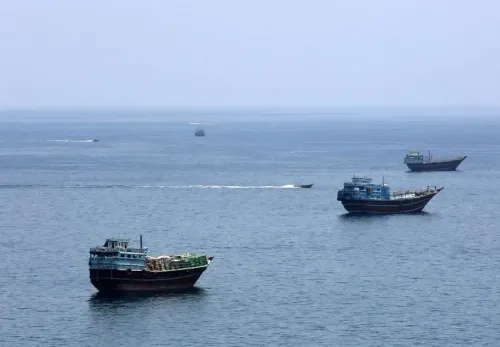
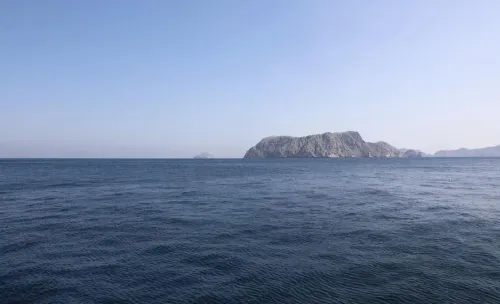
The Strait of Hormuz connects the Persian Gulf with the Gulf of Oman and the Arabian Sea, making it one of the world's most consequential energy corridors. The waterway carries oil and liquefied natural gas exports from major Gulf producers to global markets, and any disruption carries immediate implications for international energy supply chains.
Iran-Oman Navigation Talks
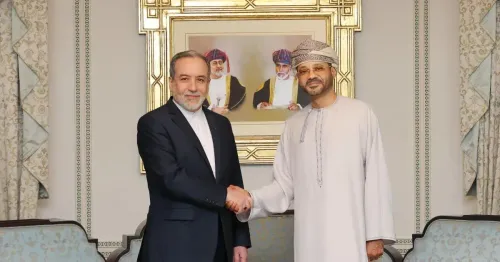
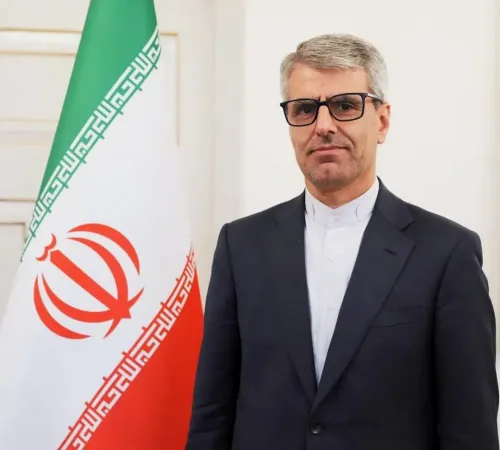
The explosion occurred on the same day that Iran's Foreign Ministry spokesperson Esmaeil Baqaei described ongoing talks with Oman on safe navigation through the strait as 'useful and forward-looking,' noting that progress had been made. The two countries held several rounds of technical discussions in Tehran on Friday and Saturday, at the level of Deputy Foreign Ministers, covering common principles and practical mechanisms for ensuring safe maritime traffic while respecting the sovereign rights of both littoral states, according to Iran's Islamic Republic News Agency. The Omani delegation departed Iran on Saturday, though both nations confirmed that technical and political consultations would continue.
When asked directly about the current state of navigation through the strait, Baqaei said there had been 'no change' in the status of maritime traffic in the waterway — a statement that now sits in sharp contrast to the reported explosion.
US Naval Blockade Remains in Force
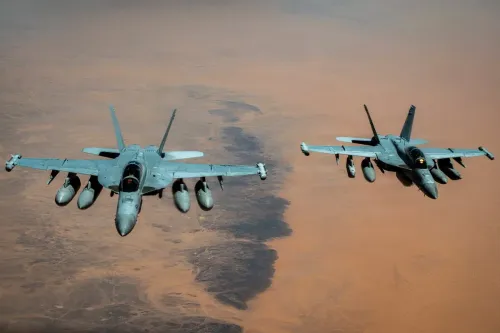
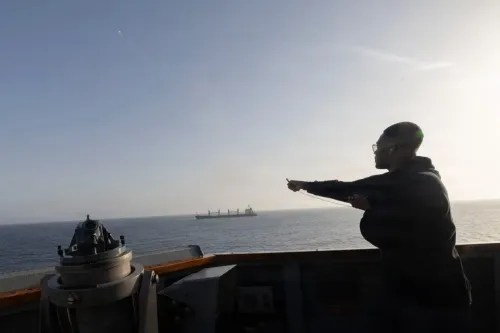
Separately, the US Central Command (CENTCOM) confirmed that the American naval blockade against Iran remains fully operational. In a post on social media platform X, CENTCOM stated: 'The US naval blockade against Iran remains in full effect. As of July 25, CENTCOM has redirected 12 commercial vessels trying to run the blockade, disabled 2 that didn't comply, and boarded 2 to ensure total compliance.'
American forces have redirected multiple commercial vessels, conducted ship-board verifications, and reportedly disabled one tanker that allegedly attempted to breach the blockade. The tanker explosion and the blockade enforcement represent parallel — and potentially intersecting — pressure points in the waterway.
Broader Context: West Asia Tensions
The incident comes amid a period of sharply heightened tensions in West Asia following recent military exchanges between the United States and Iran. The Strait of Hormuz has historically served as a flashpoint during periods of US-Iran friction, with both sides previously seizing vessels and trading accusations of maritime provocations. This latest explosion adds a new and volatile dimension to an already fraught situation, with global energy markets likely to monitor developments closely.
As investigations into the tanker incident proceed, the international community will be watching whether the Iran-Oman navigation talks can provide a stabilising framework — or whether escalating incidents render those discussions moot.
Point of View
And those costs flow downstream to import-dependent economies like India fastest. The Iran-Oman talks are the only diplomatic thread visible, but Sunday's explosion illustrates just how thin that thread is.
NationPress
25 Oct 2026
Frequently Asked Questions
What happened to the oil tanker in the Strait of Hormuz?
An oil tanker exploded in the Strait of Hormuz on 26 July after striking a naval mine. The vessel had allegedly deviated from the shipping route designated by Iran, entering an area outside the safe maritime traffic corridor despite prior warnings, according to Iran's Mehr News Agency.
Why is the Strait of Hormuz strategically significant?
The Strait of Hormuz connects the Persian Gulf with the Gulf of Oman and the Arabian Sea, making it one of the world's most critical energy corridors. It carries oil and liquefied natural gas exports from major Gulf producers — including Saudi Arabia, the UAE, Iraq, Kuwait, and Iran — to international markets.
What is the US naval blockade against Iran?
The US Central Command (CENTCOM) has confirmed that a naval blockade against Iran is in full effect. As of 25 July, CENTCOM stated it had redirected 12 commercial vessels attempting to breach the blockade, disabled two that did not comply, and boarded two others for verification.
What did Iran and Oman discuss in their navigation talks?
Iran and Oman held Deputy Foreign Minister-level talks in Tehran on Friday and Saturday to discuss common principles and practical mechanisms for ensuring safe maritime traffic through the Strait of Hormuz, while respecting the sovereign rights of both nations. Iran's Foreign Ministry described the talks as 'useful and forward-looking.'
How does this incident relate to broader US-Iran tensions?
The explosion comes amid a period of heightened tensions in West Asia following recent military exchanges between the United States and Iran. The Strait of Hormuz has historically been a flashpoint during US-Iran friction, with vessel seizures and maritime confrontations recurring across multiple episodes of escalation.